
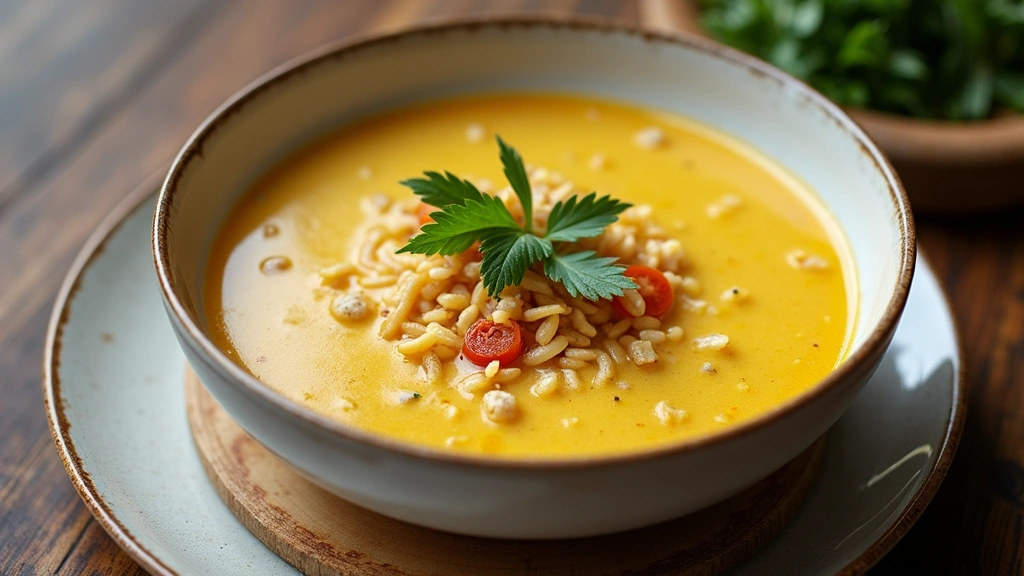
Egg Drop Soup is a delightful blend of simplicity and warmth, perfect for those chilly evenings when you need a quick comfort meal.
The silky ribbons of egg dance in a savory broth, creating a texture that’s both light and satisfying.
I first encountered this recipe during a cozy dinner with friends, where the aroma filled the room and left everyone eager for a taste.
With its quick preparation and minimal ingredients, this dish is ideal for busy weeknights or as a starter for a more elaborate meal.
Whether you’re a seasoned cook or a kitchen novice, Egg Drop Soup offers impressive results with minimal effort.
The History and Cultural Significance
• Egg Drop Soup traces its origins to ancient China, where it was originally created as a simple and nourishing meal.
• The dish evolved over decades as Chinese immigrants introduced it to new regions, eventually becoming the beloved version we know today.
• In Chinese culture, this dish traditionally appears at family gatherings and celebrations, symbolizing prosperity and togetherness.
• While many variations exist across different regions, the authentic version maintains its characteristic silky egg ribbons that set it apart from imitations.
Recommended Products

FLAVOR FLAVOR FLAVOR! - Super Tasty, Just as Good and Arguably Better Than What You get in a Chinese Restaurant

Sunbird Mix Soup Egg Drop

★FOOD GRADE STAINLESS STEEL – The rotating whisk is made of food grade stainless steel, so it’s antirust and durable, The semi automatic whisk has a long service life, which can save your time and effort.


Recipe Overview
Nutritional Information (per serving)
Recommended Products

10 oz organic reduced sodium shoyu soy sauce

BEAUTIFUL AMBER COLOR, DELICATE FLAVOR – Shiro Shoyu, is known for its clear amber hue and refined, light taste. Unlike dark soy sauce, it enhances the natural flavour of ingredients without overpowering them—ideal for delicate dishes, sushi, sashimi, and refined Japanese cooking.

LIGHT SAVORY SOY SAUCE FOR SOUP - Elevate your homemade soups, stews, and broths with Sempio’s specially formulated soy sauce for soup. Its light and savory flavor adds depth and complexity to every spoonful with balanced umami notes and subtle sweetness, making your Korean jjigae, ramen, miso soup, pho, and clear broths truly memorable and restaurant-quality.
Essential Equipment Guide
Whisk: A whisk is crucial for creating those silky egg ribbons, as it helps distribute the egg evenly throughout the hot broth. A fork can work in a pinch, but a whisk is more effective.
Saucepan: A medium-sized saucepan is perfect for controlling the temperature and ensuring the broth heats evenly. Opt for one with a heavy bottom to prevent scorching.
Ladle: A ladle ensures you can serve the soup neatly, capturing both the liquid and the egg ribbons without spilling.
Recommended Products

Portion Control – Precisely measured bowl allows for portioning great for serving soups, gravies, sauces and more

Durable stainless steel construction
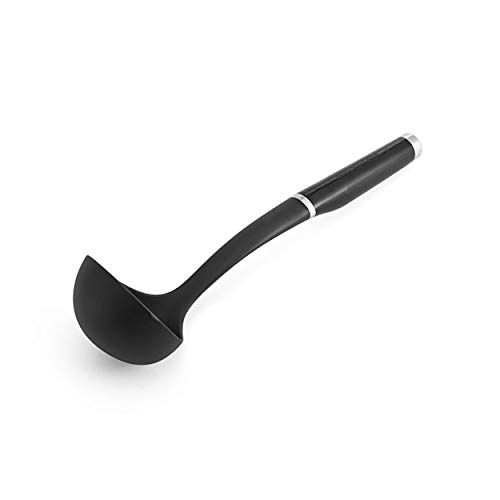
LARGE LADLE: This large ladle depth is perfect for dishing out gravies, soups, stews, liquid dishes, dressings, and sauces. The ladle head measures 3. 055inches depth x 3. 44inches wide.


Ingredients
Recommended Products

Flat top of whisk makes it great for getting in the corners of pots

【High Quality】Small egg whisk made of stainless steel, highly polished, not easy to rust And deform, and durable. The handle surface is polished, smooth and comfortable to hold. SIZE: 10.8x2.55 inch, Weight: 36g/0.08lb each.
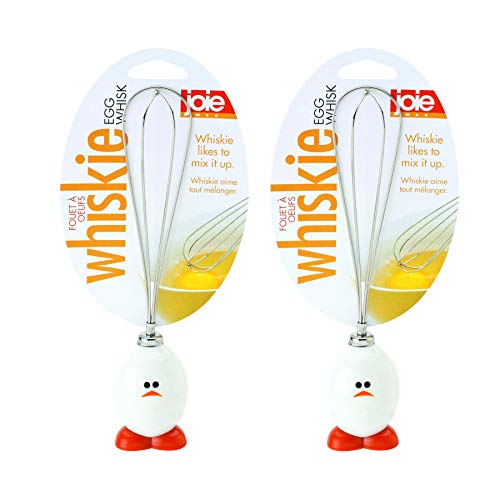
Joie Whisky Egg Whisk whips up fluffy egg whites, sauces, gravy, and batters quickly and easily
For the Base
| Amount | Ingredient | Notes |
|---|---|---|
| 4 cups | chicken broth | provides a savory foundation |
| 1 tablespoon | cornstarch | thickens the soup slightly |
For the Egg
| Amount | Ingredient | Notes |
|---|---|---|
| 2 large | eggs | beaten, creates silky ribbons |
Seasonings
| Amount | Ingredient | Notes |
|---|---|---|
| 1 teaspoon | soy sauce | adds depth and umami |
| 1 pinch | white pepper | provides gentle heat |
Garnish
| Amount | Ingredient | Notes |
|---|---|---|
| 2 tablespoons | green onions | sliced, for a fresh finish |
Preparation Methods
Creating Egg Ribbons: Pouring the beaten eggs into the simmering broth while stirring creates the signature ribbons. This technique requires control over the speed of pouring and stirring to achieve the right texture.
Thickening with Cornstarch Slurry: Mixing cornstarch with a bit of cold water before adding it to the broth prevents clumping and ensures a smooth, slightly thickened soup.
Temperature Control: Maintaining a gentle simmer is crucial to prevent the eggs from overcooking and turning rubbery.

Step 1: Prepare Ingredients

Gather all necessary ingredients and equipment.
Measure 4 cups of chicken broth and have it ready in a saucepan.
Beat 2 large eggs in a small bowl until smooth.
Slice 2 tablespoons of green onions for garnish.
Recommended Products

Takumi White Shoyu
The information below is per-pack only

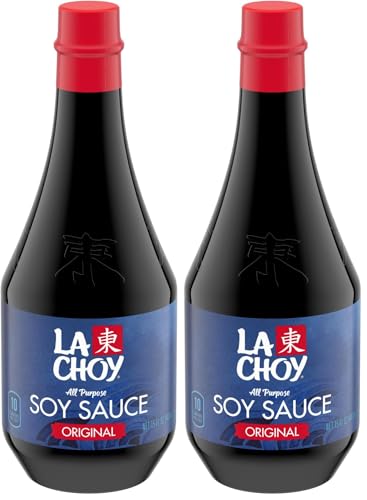
Add a dash of Asian-inspired flavor to your favorite meals with La Choy Soy Sauce
Step 2: Heat the Broth

Pour the chicken broth into the saucepan.
Set the saucepan over medium heat.
Add 1 teaspoon of soy sauce and a pinch of white pepper.
Bring the mixture to a gentle simmer, ensuring it doesn't boil.
Recommended Products

Sturdy stainless steel ladle neatly scoops soups, sauces and gravy

DURABLE: Made from BPA-free matte black silicone

Durable & Reliable Soup Ladle: If you love making recipes that are brothy like stew, soup, or saucy Italian dishes like spaghetti pasta and homemade pizza then the Zulay Kitchen Ladle is the perfect tool for you. Made with BPA free premium quality stainless steel that is sturdy, durable, and long-lasting.


Step 3: Mix Cornstarch Slurry

In a small bowl, combine 1 tablespoon of cornstarch with 2 tablespoons of cold water.
Stir until the cornstarch is fully dissolved.
The slurry should be smooth and slightly thick.
Ensure there are no lumps before adding it to the broth.
Recommended Products

Made of stainless steel and silicone, this mini whisk spring whisk set contains steel and silicone rings, safe to use, rust-resistant and corrosion-resistant, not easy to deform, can be used for a long time.

Sunbird Mix Soup Egg Drop

【Food Grade Stainless Steel Egg Whisks】: The hand push whisk is made of food grade stainless steel, so it’s antirust and durable, the semi automatic whisk has a long service life, which can save your time and effort.


Step 4: Thicken the Broth
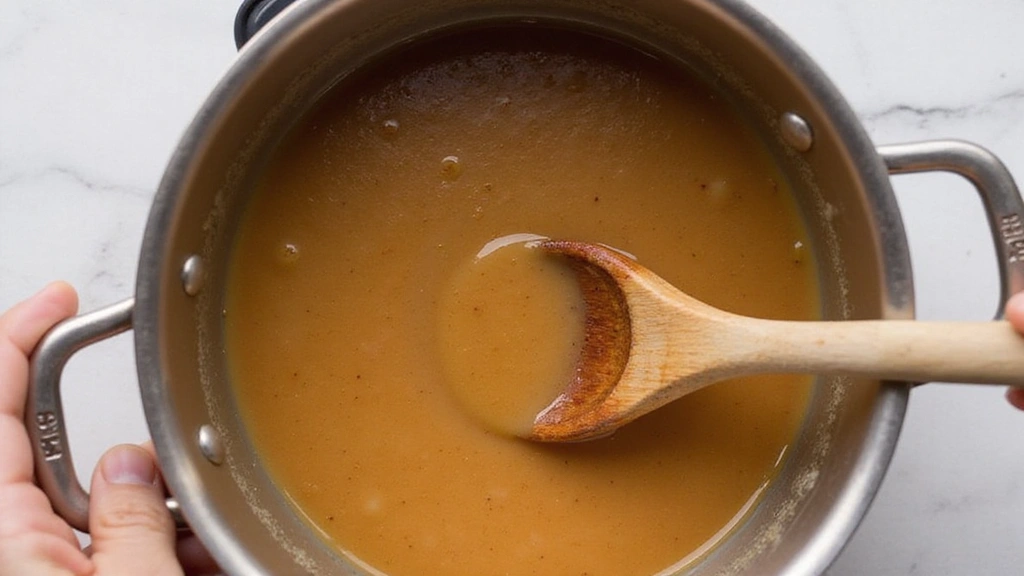
Gradually add the cornstarch slurry to the simmering broth.
Stir continuously to incorporate it evenly.
Allow the broth to thicken slightly, which should take about 2 minutes.
The broth should have a slight sheen and be slightly more viscous.


Step 5: Create Egg Ribbons
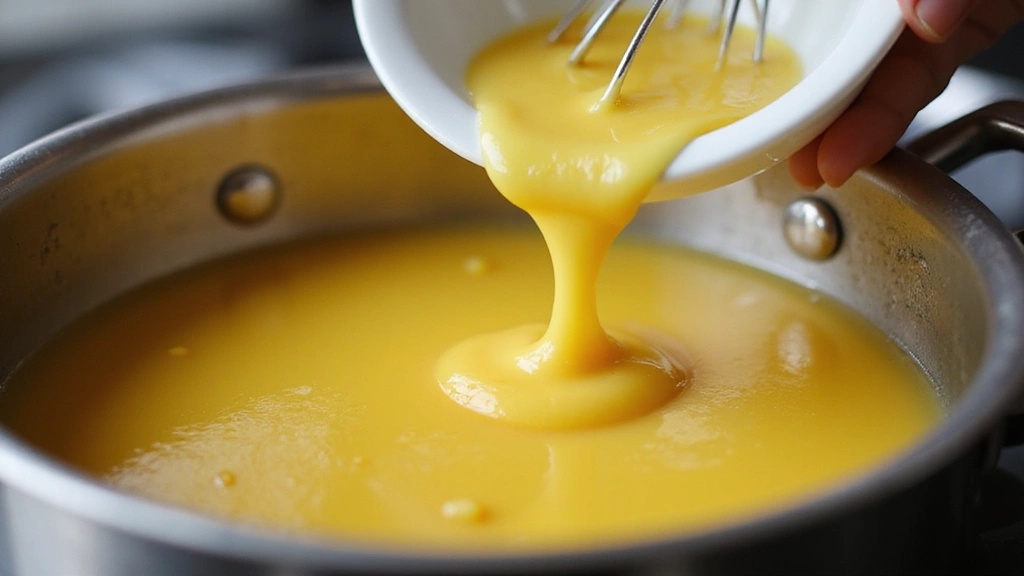
Hold the beaten eggs over the saucepan.
Slowly pour the eggs into the simmering broth while stirring gently with a whisk.
The eggs should form silky ribbons as they cook instantly.
Ensure the stirring is slow and steady to prevent the eggs from clumping.


Step 6: Final Seasoning
Taste the soup and adjust the seasoning if needed.
Add more soy sauce for depth or white pepper for heat.
Ensure the flavors are balanced to your liking.
Let the soup simmer for another minute to blend the flavors.


Step 7: Garnish the Soup
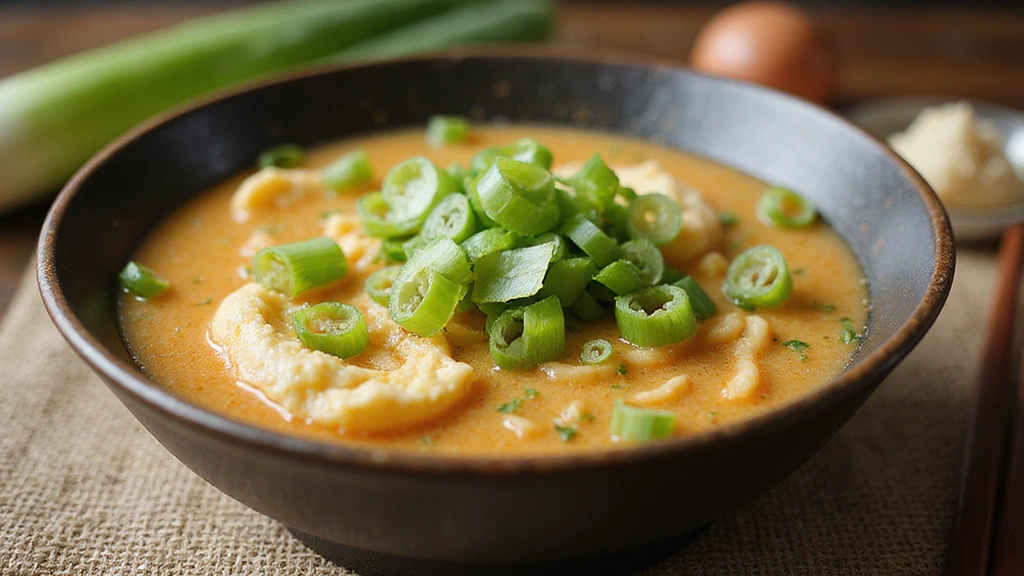
Remove the saucepan from heat.
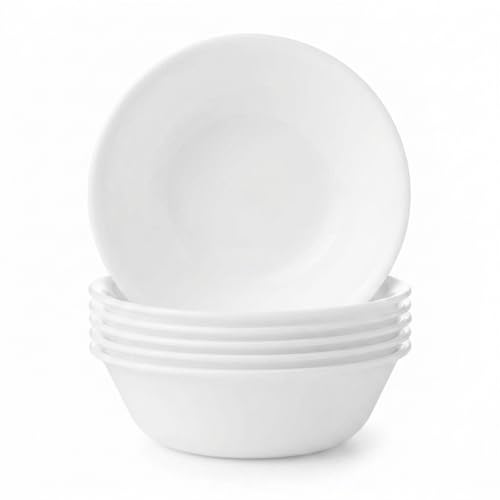
Ladle the soup into serving bowls.
Top each bowl with sliced green onions for a fresh contrast.
The green onions should be sprinkled evenly to enhance the visual appeal.



Step 8: Serve Immediately
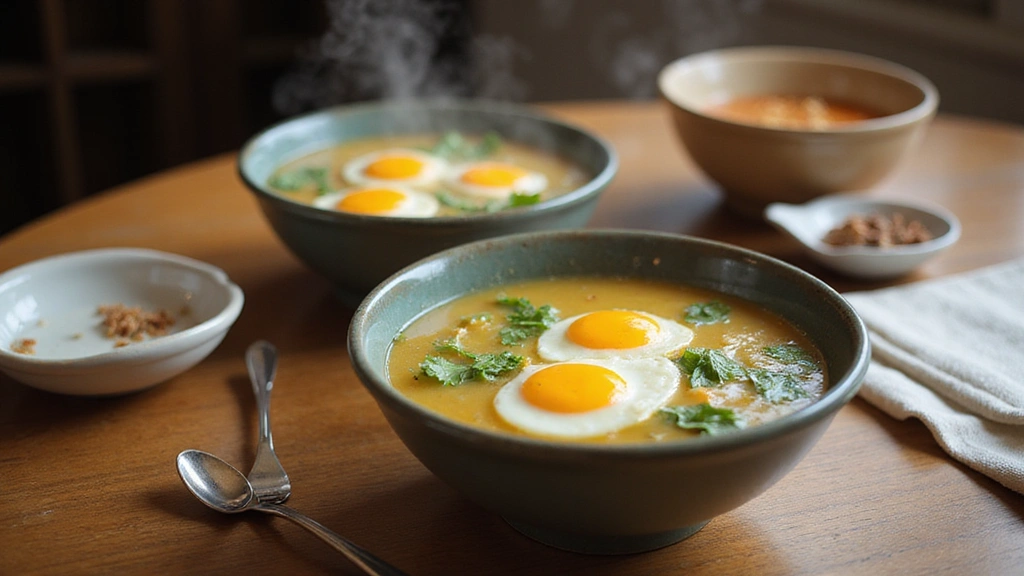
Serve the soup hot to enjoy the best texture.
Ensure each serving has a good balance of broth and egg ribbons.
The soup should be enjoyed fresh for optimal flavor.
Encourage diners to savor the warmth and comfort of the dish.


Critical Timing and Temperature Guide
Simmering the Broth: Maintain a gentle simmer at around 180°F to prevent boiling, which can toughen the eggs.
Adding Egg Ribbons: Pour eggs slowly and consistently at a low simmer to achieve delicate ribbons; rushing this can lead to clumps.
Final Cooking: Allow soup to rest off the heat for a minute to let flavors meld, avoiding prolonged cooking which can overcook the eggs.
Pro Tips for Egg Drop Soup
• Ingredient Selection: Use high-quality chicken broth for the base, as it greatly impacts the soup's overall flavor.
• Preparation Secret: Stir the broth in one direction as you add the eggs to create consistent ribbons.
• Temperature Management: Ensure the broth is at a gentle simmer, not a boil, for perfect egg texture.
• Texture Enhancement: Control the thickness by adjusting the cornstarch slurry to suit your preference.
• Flavor Layering: Add a few drops of sesame oil for a nutty depth that enhances the broth.
• Make-Ahead Strategies: Prepare the broth and slurry ahead of time, storing them separately in the fridge for up to 2 days.
• Restaurant-Quality Finishing Touches: A dash of white pepper added just before serving elevates the flavor.
• Equipment Optimization: Use a ladle with a spout for precise pouring of the eggs into the soup.


Troubleshooting Common Issues
• Egg Clumping: Often caused by pouring eggs too quickly; pour slowly and stir gently to prevent this.
• Soup Too Thin: Results from insufficient cornstarch; add more slurry to thicken.
• Overcooked Eggs: Caused by high heat or long cooking; maintain a gentle simmer and remove from heat promptly.
• Flavors Too Salty: This can be due to excessive soy sauce; balance with additional broth or water.
• Lacking Depth: Adjust with a touch more soy sauce or a few drops of sesame oil to enhance umami.


Variations and Regional Differences
• Cantonese Style: Includes the addition of finely chopped shrimp or tofu for added protein and texture.
• Sichuan Variation: Features the use of Sichuan peppercorns for a spicier, numbing heat.
• Western Adaptation: Often includes vegetables like corn or peas, making it heartier and more colorful.
• Japanese Influence: Uses dashi instead of chicken broth for a distinct umami flavor.


Food Science Behind the Recipe
• Protein Coagulation: Understanding how proteins in eggs coagulate helps achieve the desired silky texture.
• Emulsification: The addition of cornstarch stabilizes the soup, preventing the separation of liquid and solids.
• Flavor Compounds: The Maillard reaction in soy sauce contributes to the complex, savory notes in the soup.


Frequently Asked Questions
What's the most common mistake people make when preparing Egg Drop Soup? Pouring the eggs too quickly into the broth, which causes clumping instead of ribbons.
Can I make this soup vegetarian? Yes, substitute the chicken broth with vegetable stock for a vegetarian version.
How can I store leftovers? Store in an airtight container in the refrigerator for up to two days, but note that texture may change.
Is it possible to freeze Egg Drop Soup? It's not recommended as the texture of the eggs will alter upon reheating.
What's the best way to reheat this soup? Gently reheat in a saucepan over low heat, stirring occasionally.
Can I add other ingredients? Yes, ingredients like mushrooms or tofu can be added for more variety.
Why is my soup cloudy? This can happen if cornstarch isn't fully dissolved before adding to the broth.
Serving and Presentation Guide
• Traditional Presentation: Serve in small bowls with a sprinkle of green onions and a dash of white pepper.
• Modern Casual: Pair with a side of crispy wontons for added texture and substance.
• Elegant Dining: Garnish with finely sliced chives and serve in a porcelain bowl for a refined touch.
• Family Style: Serve in a large communal bowl, allowing guests to ladle their own portions.


Conclusion
Egg Drop Soup is a timeless dish that blends simplicity with rich flavors.
Its quick preparation makes it an excellent choice for any occasion.
I encourage you to try this recipe and experience the comfort of this classic dish firsthand.
Share your creation with loved ones and enjoy the warmth it brings to the table.