
The beloved Chick-fil-A Sauce combines creamy, tangy, and slightly sweet elements to create a flavor explosion that has captured hearts nationwide.
Its allure lies in its versatility, perfectly complementing chicken, fries, and even vegetables.
For years, fans have speculated about its secret ingredients, but now you can recreate it at home.
This homemade version provides the same irresistible taste with easily accessible ingredients.
Whether it’s game day or a casual dinner, this sauce will be the star of your table.
The History and Cultural Significance
• Chick-fil-A Sauce Recipe traces its origins to the United States, where it was originally created in the 1980s by Chick-fil-A employees experimenting with dipping sauces.
• The dish evolved over decades as it gained popularity through word of mouth and was eventually added to the Chick-fil-A menu as a staple sauce.
• In American culture, this sauce traditionally appears at family gatherings and fast-food meals, symbolizing comfort and indulgence.
• While many variations exist across different regions, the authentic version maintains a unique blend of honey mustard, barbecue sauce, and mayonnaise that sets it apart from imitations.
Recommended Products

Carolina Gold Southern Dipping Sauce: Duke’s Carolina Gold BBQ Sauce is a golden barbecue sauce that offers a signature tangy, mildly sweet flavor. Perfectly complementing chicken or pork, it combines irresistible mustardy richness, a hint of sweetness, and a touch of heat for a memorable barbecue experience.

Dip your chicken tenders, meatless nuggets, pretzels, Basically Everything. (Trust us we are Professionals.)

One 12 ounce bottle of Honey Mustard


Recipe Overview
Recommended Products


Dip, drizzle, and delight! Chick-fil-A sauce is the perfect blend of sweet, smoky, and tangy flavors

Nutritional Information (per serving)
Recommended Products

USDA Certified Organic

Honey Mustard Dipping Sauce is made with real honey & premium mustard seeds

Deli Complement to any Sandwich, Sub or Wrap
Essential Equipment Guide
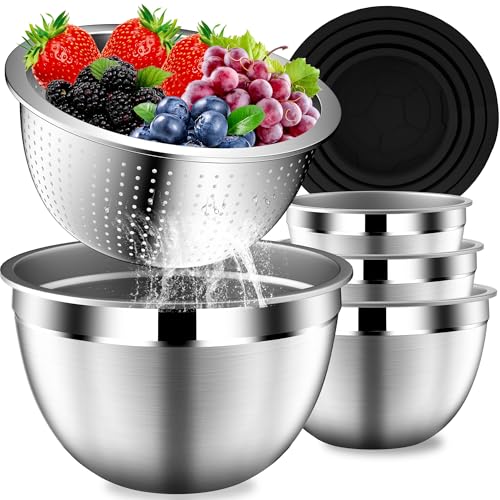
Mixing Bowl: A medium-sized mixing bowl is essential to blend the ingredients uniformly, ensuring a smooth consistency. Alternatives like a large mug or jar can work, but ensure they are spacious enough for thorough mixing.
Whisk: Using a whisk is crucial to combine the ingredients smoothly, preventing lumps and ensuring an even texture. A fork can be an alternative, but a whisk offers more control.
Storage Container: A small airtight container is important for storing the sauce, preserving its freshness and flavor. Look for containers with tight seals to avoid any air exposure.
Recommended Products

Honey Mustard

PS Seasoning Jackpot Carolina Gold Honey Mustard BBQ Sauce is a delicious and versatile sauce that can be used as a marinade, dip or dressing

Golden barbeque sauce with sweet and tangy mustard, apple cider vinegar and a hint of cayenne pepper heat


Ingredients
Recommended Products

Made with Real Ingredients: Our smoky, tangy Chicken Dippin sauce is crafted with premium, high-quality ingredients you can trust, like avocado oil and organic apple cider vinegar. No dairy, soy, grains, or nonsense.

One 12 ounce bottle of Chicken Dipping Sauce

BRING HOME THE FLAVOR YOU LOVE: Made with Italian herbs, parmesan cheese and garlic, our Parmesan Garlic sauce delivers the familiar, delicious taste you love.
Base Ingredients
|
| Amount | Ingredient | Notes |
|---|---|---|
| 1/2 cup | mayonnaise | adds creaminess |
Flavor Enhancers
| Amount | Ingredient | Notes |
|---|---|---|
| 1/4 cup | honey | provides sweetness |
| 1 tablespoon | yellow mustard | adds tanginess |
| 1 tablespoon | Dijon mustard | offers depth |
| 2 tablespoons | barbecue sauce | introduces smokiness |
| 1 tablespoon | lemon juice | brightens flavors |
Preparation Methods
Emulsifying: This technique involves gradually mixing ingredients to create a stable, creamy sauce. It's crucial for this recipe because it ensures the mayonnaise blends seamlessly with the other ingredients. Start by slowly whisking the mayonnaise with the mustard before introducing the barbecue sauce and honey.
Balancing Flavors: Achieving the perfect sweet-tangy balance requires precise measurements and taste adjustments. Begin with the listed quantities and taste as you mix, adjusting honey and mustard to suit your preference.
Preserving Freshness: Proper storage is key to maintaining the sauce's flavor. Once mixed, immediately transfer the sauce to an airtight container and refrigerate to prevent any flavor loss or spoilage.
Recommended Products

Made with French’s #1 grade mustard seed, molasses, aged cayenne and hickory smoke


Quantity Included: ONE bottle of Kinder's sauce for your cooking and dining needs


Step 1: Gather Ingredients
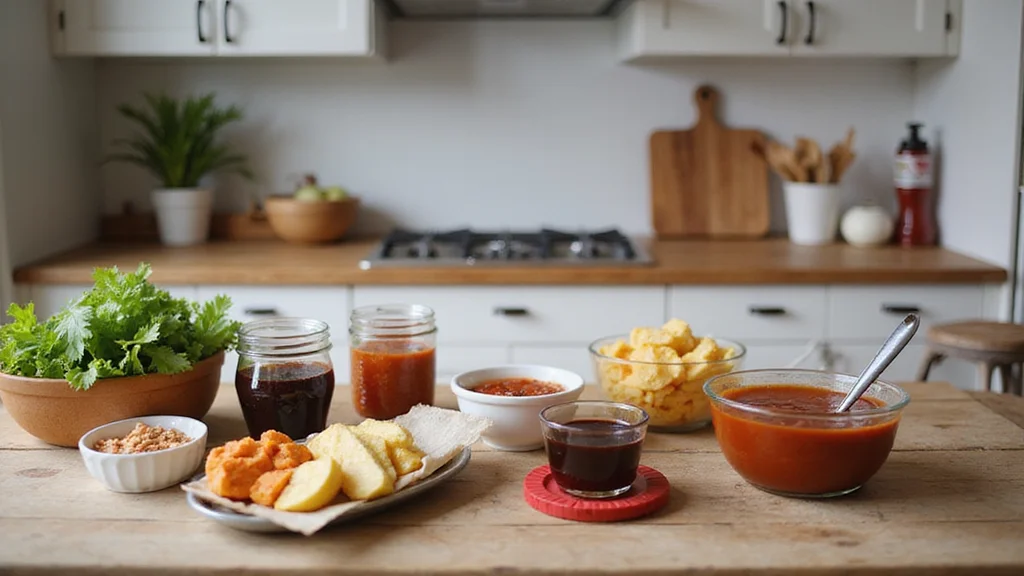
Collect all necessary ingredients and equipment.
Ensure you have a clean and spacious work area.
Lay out the ingredients in the order they will be used.
This preparation helps streamline the mixing process.
Recommended Products

Delicious and delightful for dipping, marinade, or glazing


Step 2: Start with Mayonnaise
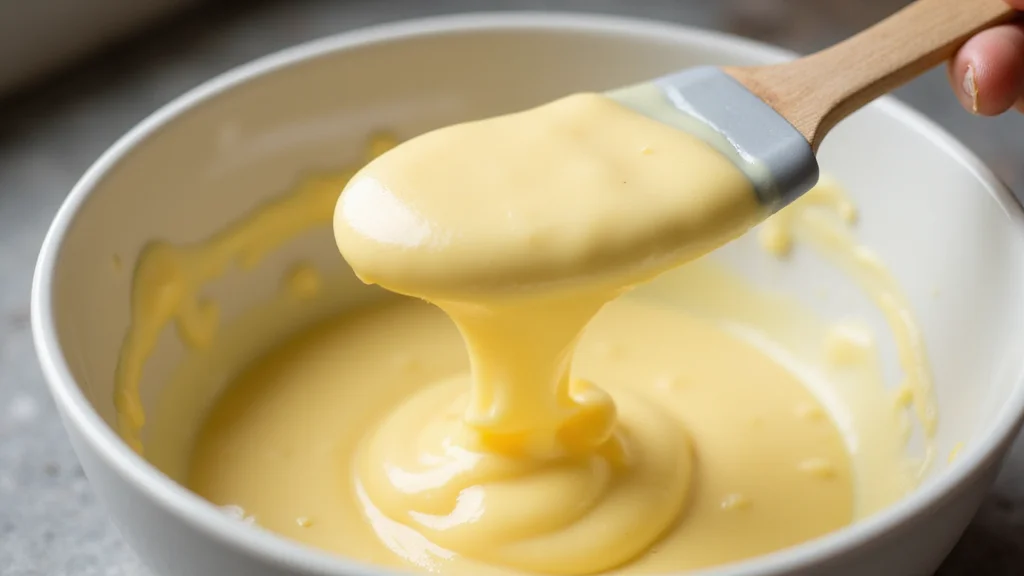
Add 1/2 cup of mayonnaise to your mixing bowl.
Use a spatula to scrape out all the mayonnaise from the measuring cup.
Ensure the mayonnaise is at room temperature for easier mixing.
This forms the creamy base of your sauce.
Recommended Products
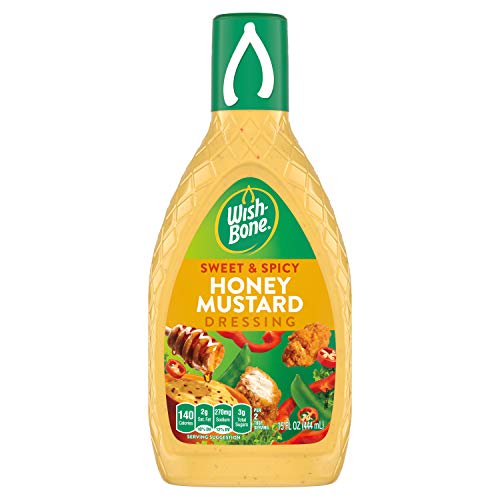
One 15 fl oz bottle of Wish-Bone Sweet & Spicy Honey Mustard Dressing

USDA Organic: Made with organic honey, organic mustard seeds, and organic cayenne pepper.

One 10.25 oz squeeze bottle of Inglehoffer Original Honey Mustard, crafted for smooth sweetness and bold flavor that enhances sandwiches, hamburgers, chicken, and more.


Step 3: Add Mustards
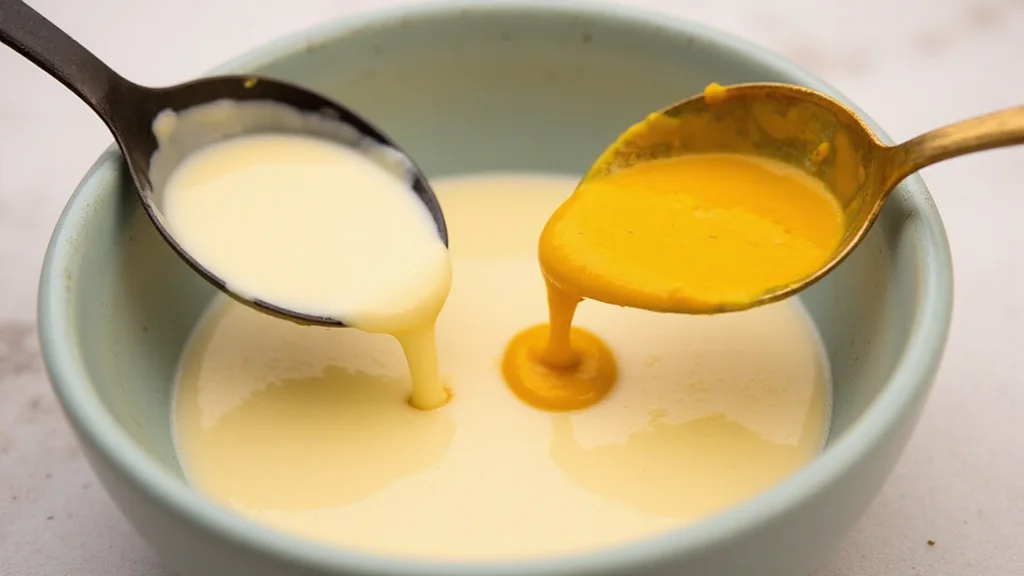
Measure and add 1 tablespoon each of yellow and Dijon mustard to the bowl.
Dijon mustard provides a rich depth, complementing the tang of yellow mustard.
Use a spoon to ensure precise measurement.
These mustards contribute to the sauce's signature tanginess.
Recommended Products


Honey Mustard

Authentic Southern Family Recipe – A treasured four–generation heirloom recipe that captures the bold, tangy essence of South Carolina. This Carolina mustard BBQ sauce delivers timeless flavor with every bite.


Step 4: Introduce Barbecue Sauce
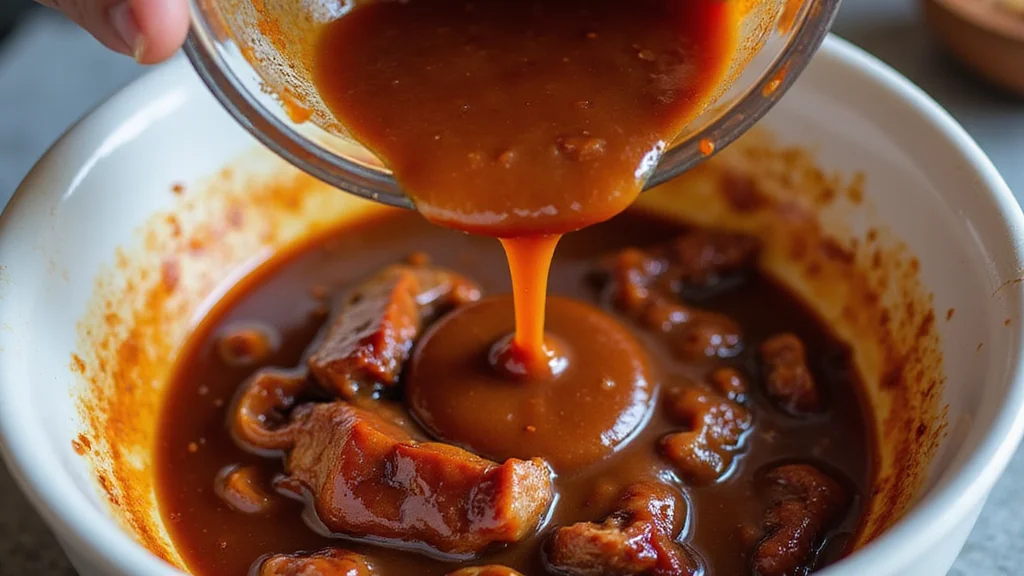
Pour 2 tablespoons of barbecue sauce into the bowl.
Choose a sauce with a smoky profile to enhance the overall flavor.
This adds a subtle smokiness that balances the sauce.
Use a spatula to mix in the barbecue sauce thoroughly.
Recommended Products

FLAVOR & HEAT: Kick all your favorite foods up a notch with the perfect blend of creamy, tangy, smoky flavor and medium heat.


Bring home the famous taste of Rao's with this 24 ounce jar of Rao's Homemade Marinara Sauce
Step 5: Sweeten with Honey
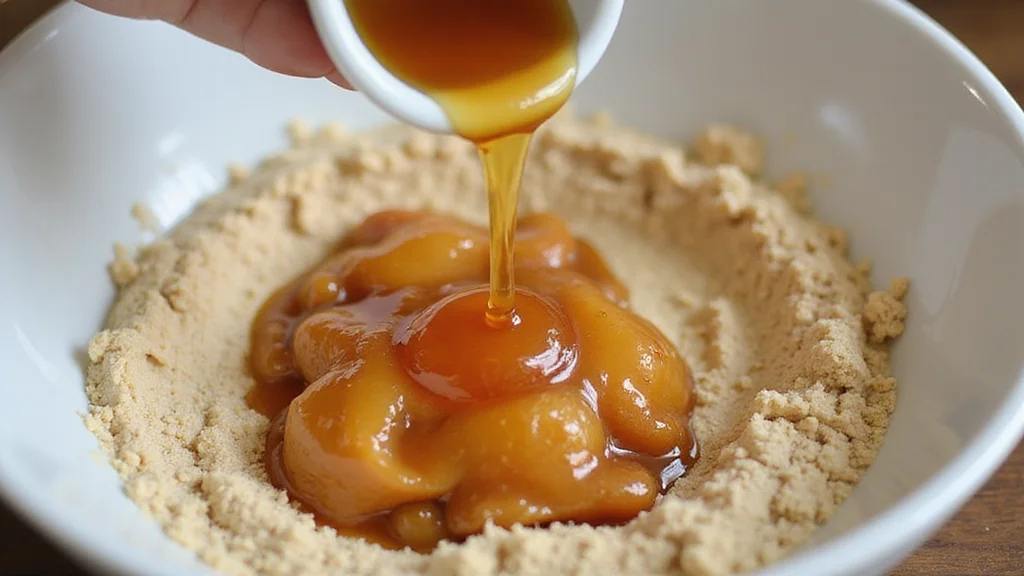
Add 1/4 cup of honey into the mixture.
Ensure the honey is at room temperature for easy mixing.
This step introduces sweetness, balancing the tangy and smoky flavors.
Mix gently to combine the honey evenly with other ingredients.


Step 6: Add Lemon Juice
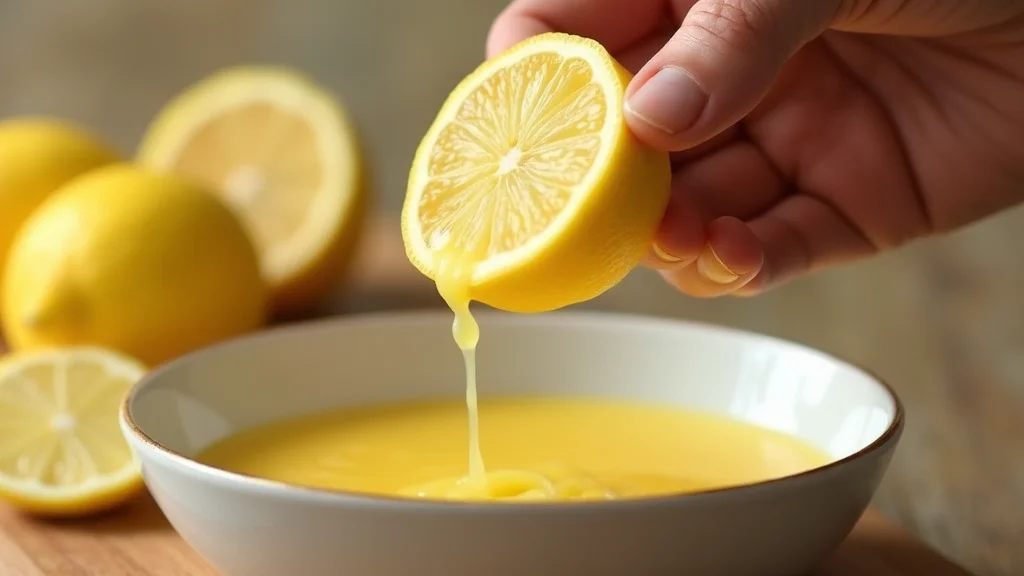
Squeeze 1 tablespoon of fresh lemon juice into the bowl.
Strain the juice to avoid seeds and pulp.
This step brightens the sauce and enhances all other flavors.
Mix well to incorporate the acidity evenly.


Step 7: Whisk Until Smooth
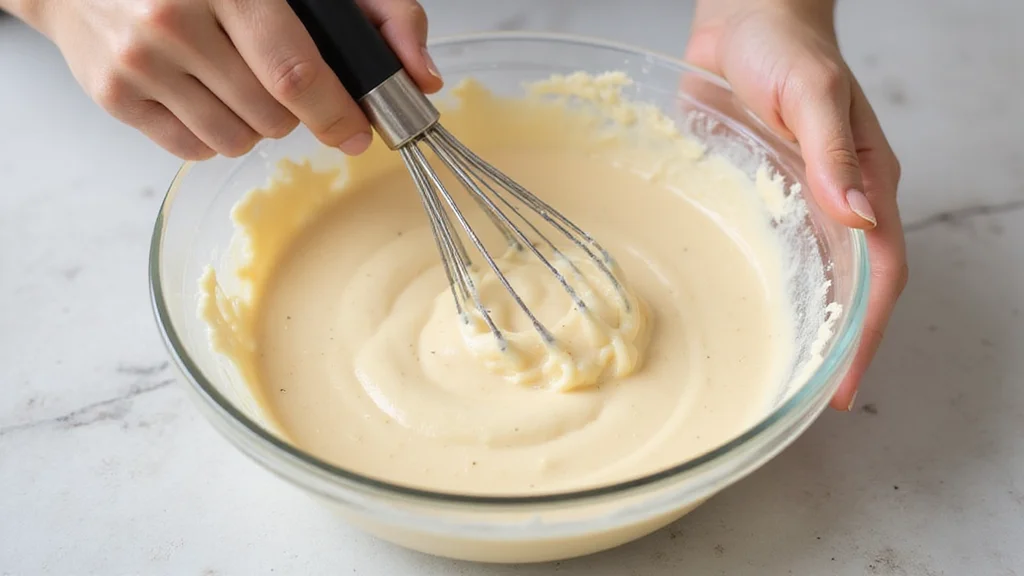
Use a whisk to blend all ingredients together.
Whisk vigorously until the sauce is smooth and homogeneous.
Look for a creamy consistency without any lumps.
This ensures the sauce is ready for serving or storage.
Step 8: Transfer to Container
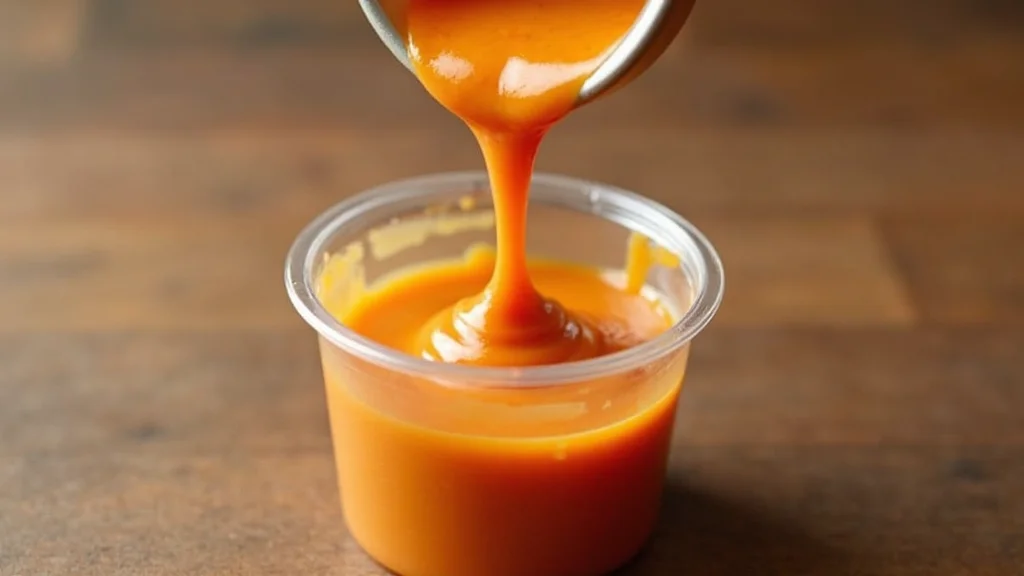
Pour the finished sauce into an airtight container.
Use a spatula to scrape every last bit from the bowl.
Seal the container tightly to preserve freshness.
Refrigerate until ready to use.



Critical Timing and Temperature Guide
Mixing Ingredients: Ensure all ingredients are at room temperature for optimal blending. Look for a smooth, lump-free consistency and avoid over-mixing, which can cause the sauce to become too thin.
Storage: Store the sauce in an airtight container in the refrigerator. The sauce should be consumed within two weeks to ensure freshness and prevent separation.
Serving Temperature: For the best flavor, let the sauce sit at room temperature for a few minutes before serving. Avoid letting it sit out for too long as it might spoil.
Pro Tips for Chick-fil-A Sauce Recipe
• Ingredient Selection: Use high-quality mayonnaise and real honey for the best flavor. These ingredients dramatically impact the sauce's creaminess and sweetness.
• Preparation Secret: Whisking the sauce by hand ensures better control over the texture compared to using a blender, which can over-mix.
• Temperature Management: Keep ingredients at room temperature before starting to ensure they blend smoothly.
• Texture Enhancement: A gentle whisking motion helps achieve the ideal velvety texture.
• Flavor Layering: Start with small amounts of each ingredient and adjust to taste, allowing flavors to meld more naturally.
• Make-Ahead Strategies: Prepare the sauce a day in advance to let the flavors develop fully. Store in an airtight container.
• Restaurant-Quality Finishing Touches: A sprinkle of smoked paprika on top before serving adds a professional touch.
• Equipment Optimization: Use a silicone spatula for scraping the mixing bowl to ensure no sauce is wasted.

Troubleshooting Common Issues
• Too Thick: If your sauce is too thick, gradually whisk in small amounts of water or lemon juice until the desired consistency is achieved.
• Too Thin: If the sauce is too runny, add an additional tablespoon of mayonnaise and mix thoroughly to thicken.
• Flavors Unbalanced: Taste the sauce and adjust by adding more honey for sweetness or mustard for tanginess, depending on what is needed.
• Separation: If the sauce separates, whisk it again before serving. Ensure it's stored in a properly sealed container.
• Lack of Flavor Depth: Consider using a blend of barbecue sauces or adding a dash of smoked paprika to enhance the depth of flavor.
Variations and Regional Differences
• Southern Style: This version includes a hint of hot sauce for a spicy kick, reflecting Southern preferences for bold flavors.
• Asian Fusion: Incorporates a dash of soy sauce and sesame oil, offering a savory twist that pairs well with Asian-inspired dishes.
• Herb Infused: Fresh herbs like dill or chives are added for a refreshing touch, ideal for pairing with salads or seafood.
• Smoky BBQ: Uses a hickory-flavored barbecue sauce to intensify the smokiness, appealing to barbecue enthusiasts.
Food Science Behind the Recipe
• Emulsification: The process of mixing oil-based mayonnaise with water-based ingredients like mustard creates a stable sauce with a creamy texture.
• Flavor Synergy: The combination of sweet, tangy, and smoky elements creates a complex flavor profile due to the Maillard reaction in the barbecue sauce.
• Preservation: The acidic components like lemon juice help preserve the sauce by lowering the pH, which inhibits bacterial growth.
Frequently Asked Questions
What's the most common mistake people make when preparing Chick-fil-A Sauce? Over-mixing the sauce can lead to a thinner consistency, losing its signature creaminess.
Can I use low-fat mayonnaise? Yes, but the sauce might not be as rich and creamy as the traditional version.
How long can I store the sauce? Properly stored in an airtight container, it can last up to two weeks in the refrigerator.
Is there a vegan version of this sauce? Substitute regular mayonnaise with a vegan alternative and ensure the barbecue sauce is also vegan.
What can I pair with this sauce? It pairs wonderfully with chicken, fries, vegetables, and even as a salad dressing.
Can I make the sauce spicier? Yes, add a pinch of cayenne pepper or a few drops of hot sauce to increase the spice level.
Why does my sauce taste different each time? Variability in ingredients like barbecue sauce brands can alter the flavor profile. Consistency is key.
Serving and Presentation Guide
• Traditional Presentation: Serve in a small dipping bowl alongside a platter of chicken tenders and waffle fries for a classic fast-food experience.
• Gourmet Touch: Drizzle the sauce over grilled chicken or vegetables and garnish with fresh herbs for an upscale presentation.
• Family-Style: Pour the sauce into a larger bowl with serving spoons for communal dipping at family gatherings.
• Picnic Style: Pack the sauce in individual small containers for easy transport and serving at outdoor events.

Conclusion
Unleash the secret of Chick-fil-A Sauce in your own kitchen and enjoy the delightful blend of flavors.
This homemade version offers the same delicious taste, perfect for any occasion.
Share the joy with family and friends, knowing you have the recipe everyone loves.
Give it a try and elevate your meal to a new level of flavor.