
Slow Cooker Recipes: Easy Meals, Less Effort!
Family-friendly dishes for busy people — quick prep, delicious results.
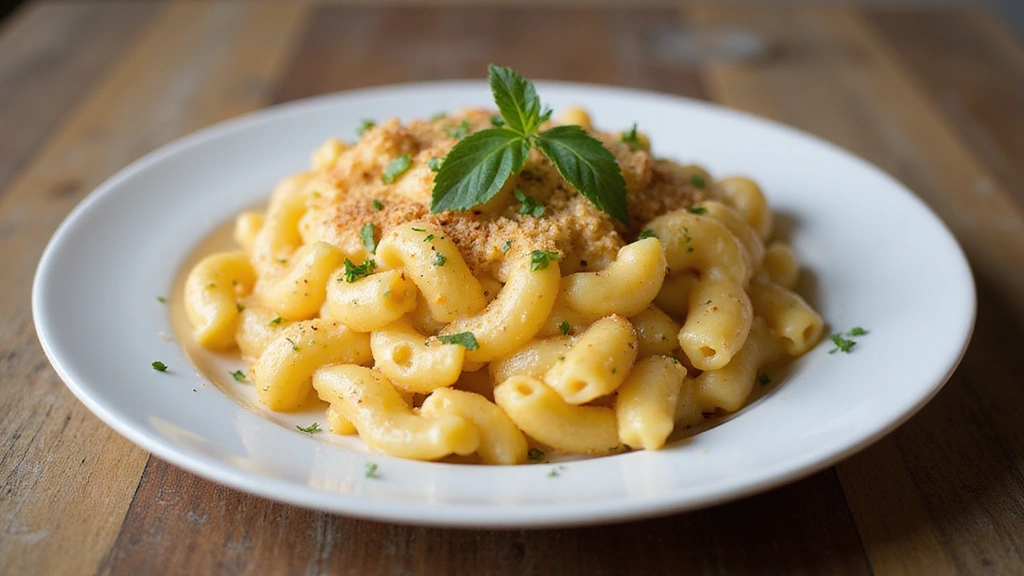
Grab yours for $4There’s something undeniably comforting about a warm, bubbling dish of baked mac and cheese.
The crispy, golden topping gives way to a creamy, cheesy interior that’s pure indulgence.
I first fell in love with this dish during a cozy fall evening, where its warmth and richness felt like a comforting hug.
It’s a versatile dish, perfect for both casual family dinners and special occasions.
No matter the season, baked mac and cheese is a universal favorite that never fails to satisfy.
The History and Cultural Significance
• Baked Mac and Cheese traces its origins to Europe, where it was originally created by skilled chefs in the 14th century.
• The dish evolved over decades as ingredients like cheddar cheese and pasta became more accessible, eventually becoming the beloved version we know today.
• In American culture, this dish traditionally appears at Thanksgiving and family gatherings, symbolizing comfort and togetherness.
• While many variations exist across different regions, the authentic version maintains a rich cheese sauce that sets it apart from imitations.


Recipe Overview
Nutritional Information (per serving)
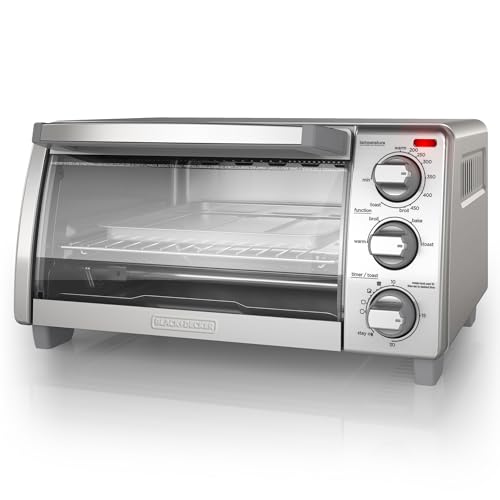
Essential Equipment Guide
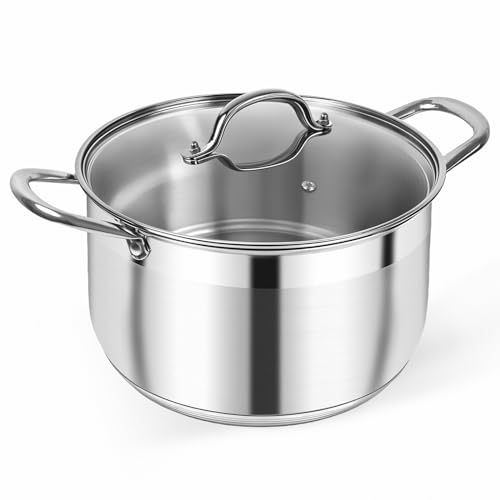
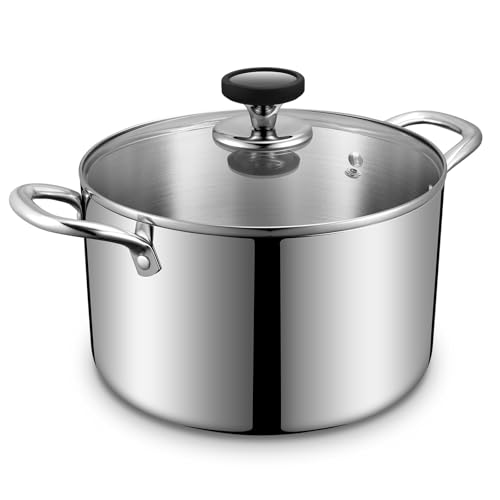
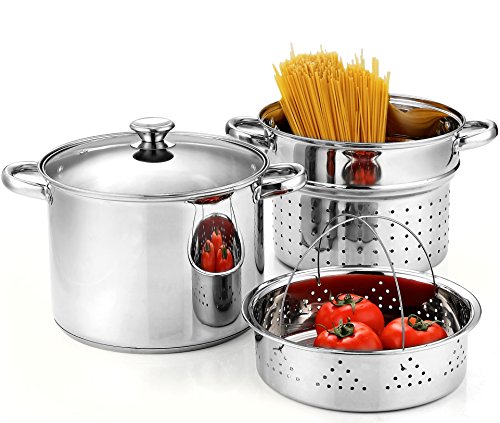
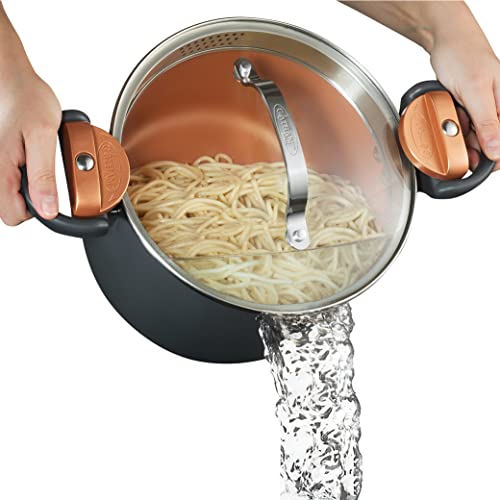
Large Saucepan: A large saucepan is crucial for making the cheese sauce, allowing for even heating and preventing burning. Alternatives like a Dutch oven can work, but ensure it has a heavy bottom for best results.
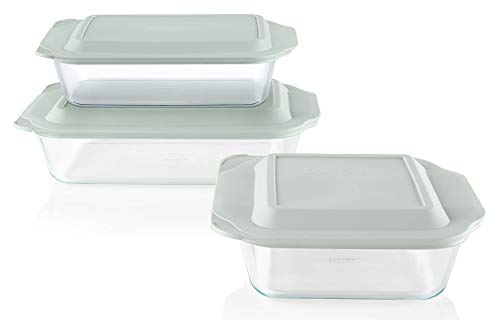
Baking Dish: A ceramic or glass baking dish helps achieve the perfect crispy topping while evenly cooking the pasta. Look for one with high sides to prevent spillovers.
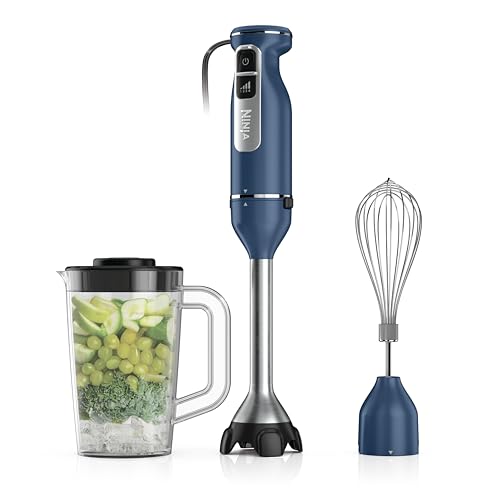
Whisk: A whisk is essential for creating a smooth, lump-free cheese sauce. If unavailable, a fork or wooden spoon can be used, but a whisk provides the best texture.


Ingredients
For the Pasta
|
|
| Amount | Ingredient | Notes |
|---|---|---|
| 16 ounces | elbow macaroni | cooked al dente |
For the Sauce
| Amount | Ingredient | Notes |
|---|---|---|
| 4 tablespoons | unsalted butter | adds richness |
| 1/4 cup | all-purpose flour | thickens the sauce |
| 3 cups | whole milk | creamy base for the sauce |
| 3 cups | sharp cheddar cheese | grated, for a bold flavor |
| 1 cup | Parmesan cheese | grated, adds depth |
Seasonings
| Amount | Ingredient | Notes |
|---|---|---|
| 1 teaspoon | salt | enhances flavor |
| 1/2 teaspoon | black pepper | adds a hint of spice |
| 1/2 teaspoon | paprika | for color and mild heat |
For the Topping
| Amount | Ingredient | Notes |
|---|---|---|
| 1 cup | panko breadcrumbs | creates a crispy topping |
| 2 tablespoons | unsalted butter | melted, for binding |
Preparation Methods
Roux Making: Creating a roux by cooking flour and butter together is crucial for thickening the cheese sauce. The key is to cook it until it turns a light golden color, which ensures the floury taste is eliminated.
Cheese Melting: Properly melting cheese into the sauce is vital for a smooth texture. Always add cheese slowly over low heat to prevent it from becoming grainy.
Baking with Breadcrumbs: Achieving the right level of crispiness for the breadcrumb topping involves pre-toasting them in butter before baking. This step enhances their flavor and ensures even browning.



Step 1: Prepare Ingredients
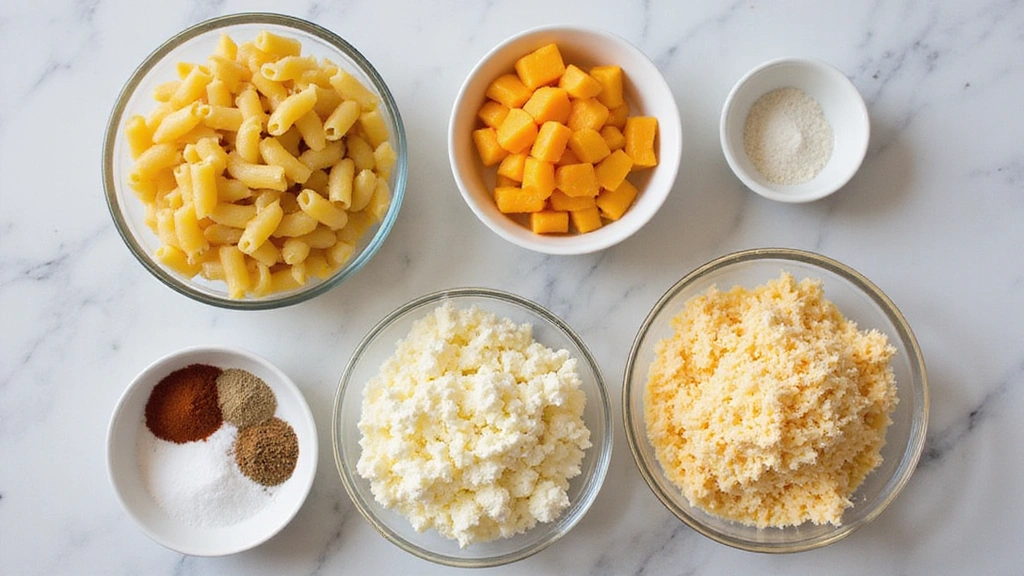
Gather all your ingredients and equipment.
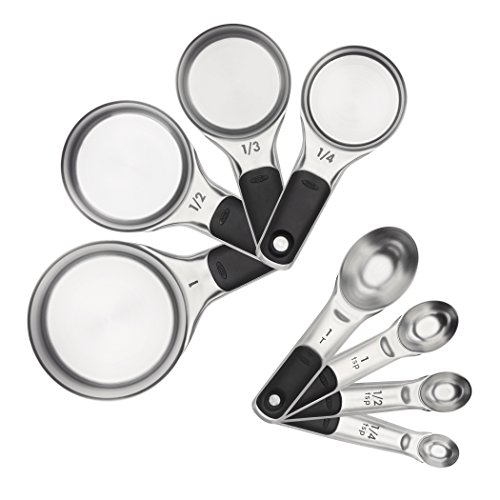
Measure out each ingredient carefully to ensure accuracy.
Cook the elbow macaroni until al dente, then drain and set aside.
Preheat your oven to 350°F (175°C) to get it ready for baking.
Step 2: Make the Roux
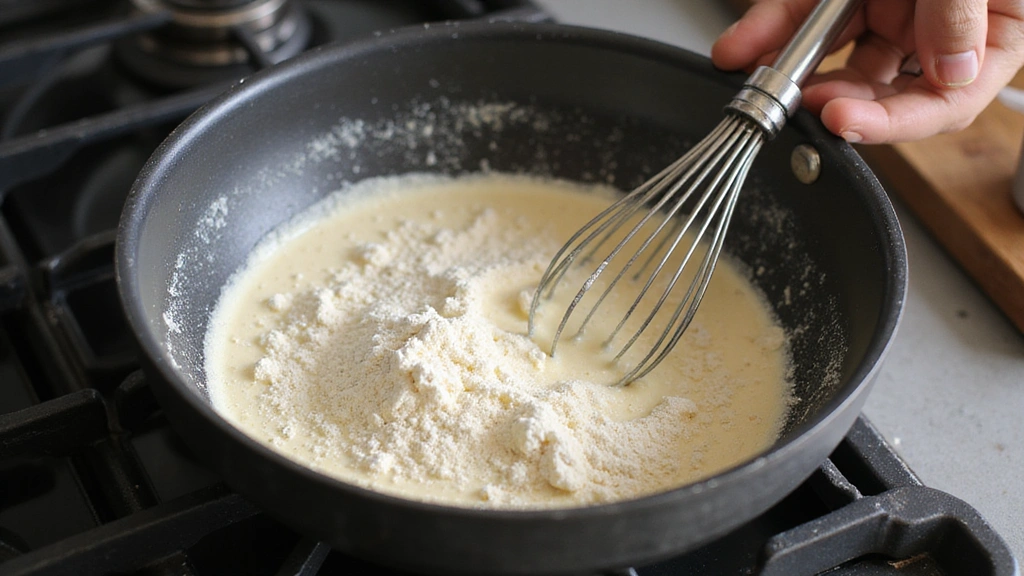
Melt the butter in a large saucepan over medium heat.
Add the flour, whisking continuously to combine.
Cook the mixture for about 2 minutes until it turns light golden brown.
Ensure the roux does not burn to avoid a bitter taste.


Step 3: Create the Cheese Sauce
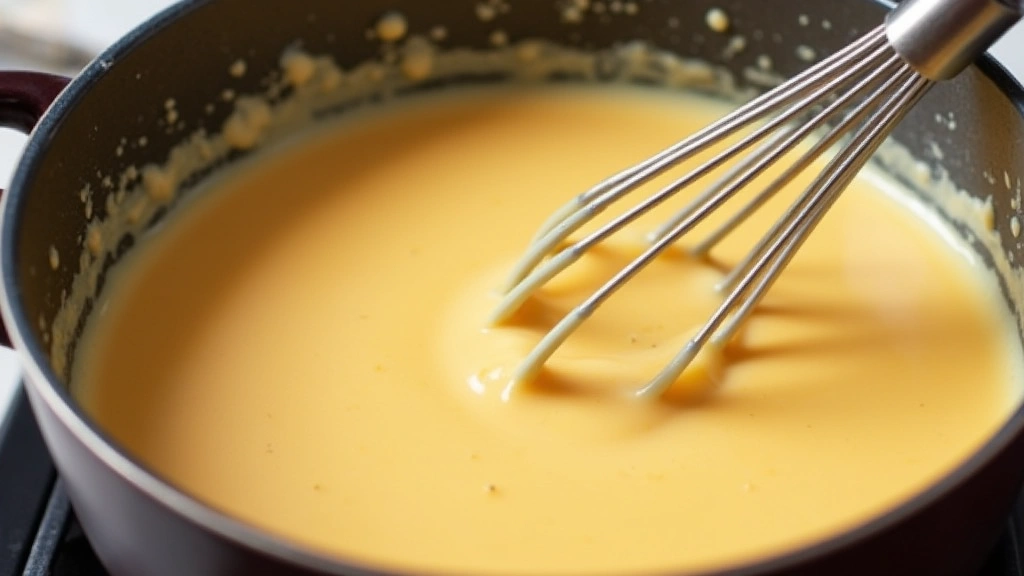
Gradually add the milk to the roux, whisking constantly.
Bring the mixture to a gentle simmer, stirring frequently.
Slowly add the cheddar and Parmesan cheese, stirring until melted and smooth.
Season the sauce with salt, pepper, and paprika to taste.


Step 4: Combine Pasta and Sauce
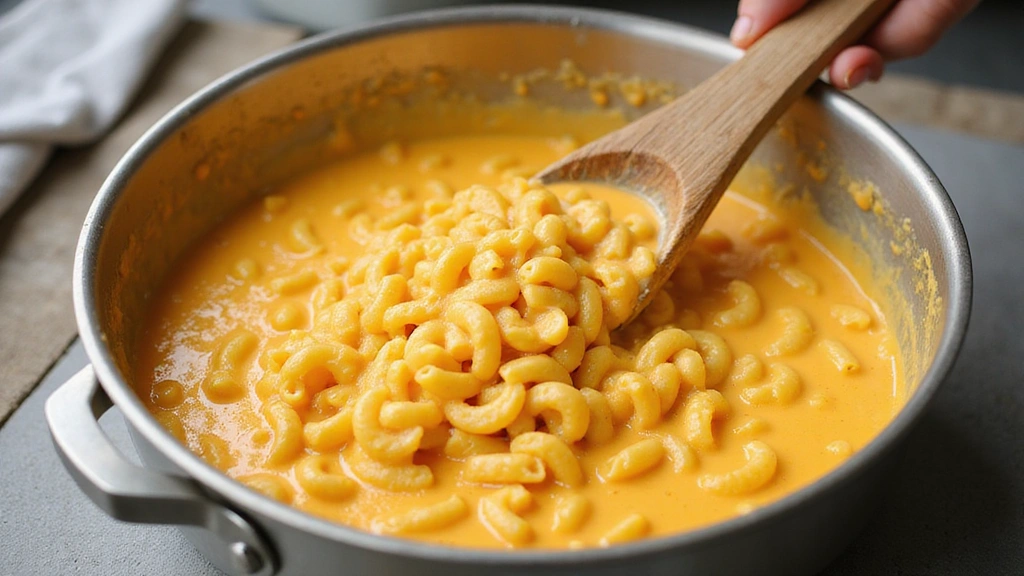
Once the cheese sauce is smooth, remove it from the heat.
Add the cooked macaroni to the sauce, stirring to coat evenly.
Ensure every piece of pasta is well-covered with the sauce.
Taste and adjust seasonings if necessary.




Step 5: Prepare the Baking Dish
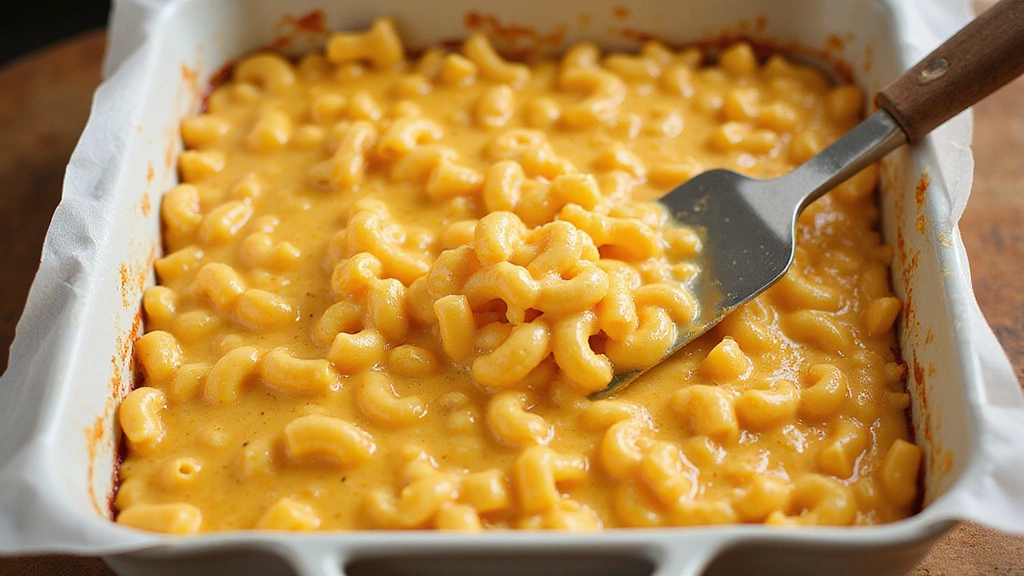
Lightly grease a baking dish with butter or non-stick spray.
Pour the mac and cheese mixture into the prepared dish.
Spread it out evenly with a spatula to ensure an even layer.
Set aside while preparing the topping.


Step 6: Make the Breadcrumb Topping
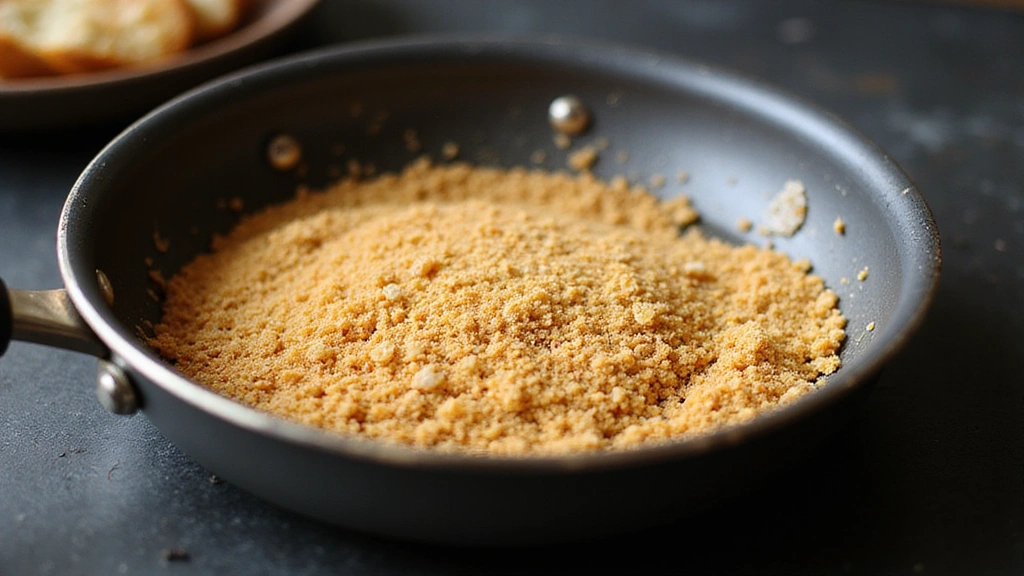
Melt the remaining butter in a small pan over medium heat.
Add the panko breadcrumbs, stirring to coat them in butter.
Toast the breadcrumbs for 2-3 minutes until they are golden brown.
Remove from heat and let them cool slightly.




Step 7: Assemble and Bake
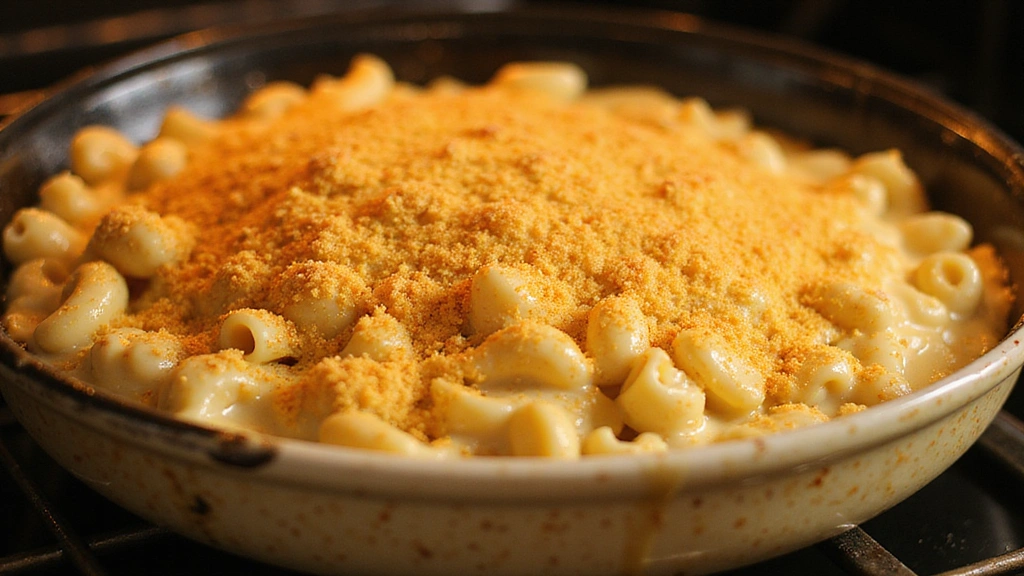
Sprinkle the toasted breadcrumbs evenly over the mac and cheese.
Place the baking dish in the preheated oven.
Bake for 25-30 minutes until the top is golden brown and bubbly.
Remove from the oven and let it cool for a few minutes before serving.



Step 8: Serve and Enjoy
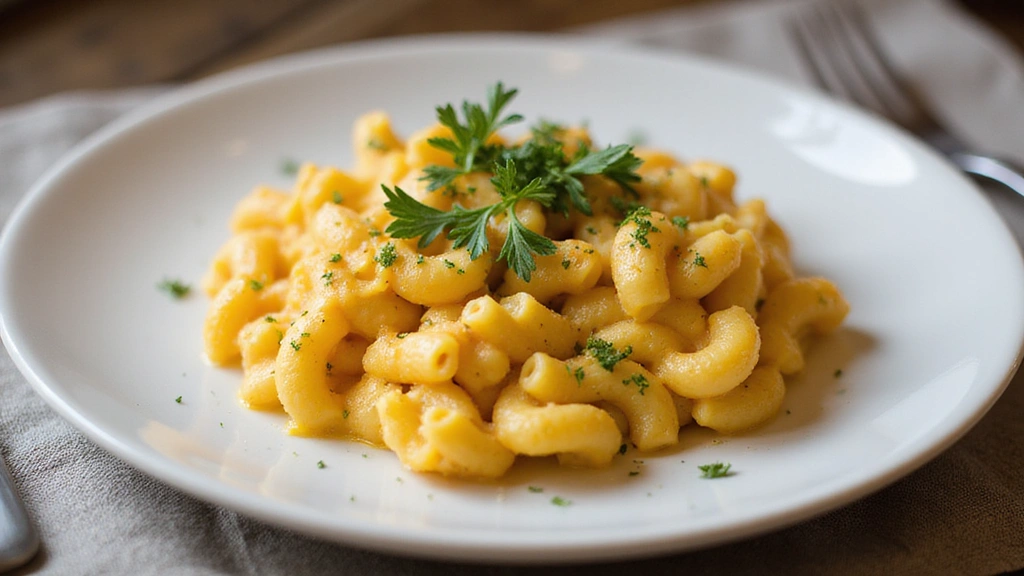
Use a serving spoon to scoop portions onto plates.
Garnish with a sprinkle of paprika or fresh herbs if desired.
Pair with a simple green salad or crusty bread for a complete meal.
Enjoy the creamy, cheesy goodness with family and friends.


Critical Timing and Temperature Guide
Baking Time: Bake at 350°F (175°C) for 25-30 minutes until the top is golden and bubbly. Avoid over-baking to prevent drying out the pasta.
Cheese Sauce Cooking: Cook the cheese sauce over medium heat, stirring constantly to prevent clumping. Look for a smooth, thick consistency before adding pasta.
Breadcrumb Toasting: Toast breadcrumbs for 2-3 minutes over medium heat until golden. Watch closely to prevent burning.


Pro Tips for Baked Mac and Cheese
• Ingredient Selection: Use high-quality, aged cheddar cheese for the best flavor and melting quality.
• Preparation Secret: Cooking the pasta al dente prevents it from becoming mushy after baking.
• Temperature Management: Allow the cheese sauce to cool slightly before mixing with pasta to avoid separation.
• Texture Enhancement: Toast breadcrumbs in butter before topping to ensure they stay crispy after baking.
• Flavor Layering: Add a pinch of nutmeg to the sauce for a subtle depth of flavor.
• Make-Ahead Strategies: Prepare the mac and cheese up to the baking step, cover, and refrigerate for up to 24 hours.
• Restaurant-Quality Finishing Touches: Add a drizzle of truffle oil before serving for a gourmet touch.
• Equipment Optimization: Use a ceramic baking dish for even heat distribution and a beautiful presentation.


Troubleshooting Common Issues
• Texture Too Dense: Caused by overcooking pasta or using too much flour in the roux. Ensure pasta is al dente and measure flour accurately.
• Flavors Unbalanced: Often due to insufficient seasoning. Taste and adjust salt and spices as needed before baking.
• Cheese Sauce Grainy: Happens when cheese is added too quickly or at high heat. Gradually add cheese over low heat, stirring constantly.
• Topping Not Crispy: Caused by insufficient toasting or moisture from the sauce. Toast breadcrumbs in butter before adding.
• Pasta Drying Out: Resulting from over-baking. Monitor baking time and cover with foil if the top browns too quickly.




Variations and Regional Differences
• Southern Style: Features a combination of cheddar and Colby cheeses, often incorporating eggs for a custard-like texture.
• Italian-Inspired: Includes ingredients like ricotta and mozzarella, with a hint of garlic and basil for an Italian twist.
• French Gourmet: Uses Gruyère cheese and adds mushrooms or truffle oil for a sophisticated flavor profile.
• Vegetarian Delight: Incorporates roasted vegetables like broccoli and bell peppers, adding both flavor and nutrition.


Food Science Behind the Recipe
• Emulsification: The process of combining cheese with milk to create a smooth sauce. Proper emulsification prevents separation and ensures creaminess.
• Maillard Reaction: Occurs during the baking process, where the breadcrumb topping browns, enhancing flavor and aroma.
• Starch Gelatinization: The cooking of pasta causes starch granules to absorb water, swelling and setting the structure that holds the dish together.


Frequently Asked Questions
What's the most common mistake people make when preparing baked mac and cheese? The most common mistake is overcooking the pasta, leading to a mushy texture. Cook the pasta until al dente to prevent this issue.
Can I make this dish gluten-free? Yes, use gluten-free pasta and substitute all-purpose flour with a gluten-free flour blend for the roux.
What's the best way to reheat leftovers? Reheat in the oven at 350°F (175°C) until warmed through, adding a splash of milk to restore creaminess.
How can I add more flavor to the cheese sauce? Consider adding ingredients like garlic powder, Dijon mustard, or a dash of hot sauce for extra flavor.
Is it possible to freeze baked mac and cheese? Yes, freeze after assembling but before baking. Thaw overnight in the refrigerator before baking.
What cheeses work best for this recipe? A combination of sharp cheddar and Parmesan provides a bold flavor and creamy texture. Experiment with Gruyère or fontina for variation.
How do I prevent the sauce from becoming grainy? Add cheese gradually over low heat, stirring constantly to ensure it melts smoothly.
Serving and Presentation Guide
• Traditional Presentation: Serve in individual ramekins for a classic look, garnished with a sprinkle of fresh parsley.
• Family Style: Present in a large, decorative baking dish at the center of the table, allowing guests to serve themselves.
• Buffet Style: Portion into small cups for easy serving at gatherings or potlucks.
• Gourmet Presentation: Plate alongside a fresh green salad, drizzled with balsamic reduction for an elegant touch.



Conclusion
Baked mac and cheese offers a comforting and indulgent experience that appeals to all ages.
With its crispy topping and creamy interior, it's a dish that never fails to impress.
Whether you're a seasoned chef or a home cook, this recipe provides a reliable path to culinary satisfaction.
I encourage you to try this recipe and share the joy of its delicious flavors with your loved ones.