
Slow Cooker Recipes: Easy Meals, Less Effort!
Family-friendly dishes for busy people — quick prep, delicious results.
Grab yours for $4Buttercream frosting – smooth, sweet, and fluffy – is a timeless classic in the world of baking.
Its rich and creamy texture perfectly complements cakes, cupcakes, and cookies.
I first encountered this delightful frosting at a family gathering, where its silky finish left a lasting impression.
The perfect blend of butter and sugar creates a luscious sweetness that elevates any dessert.
Whether you’re baking for a birthday party or a casual weekend treat, buttercream frosting is a versatile choice.
Get ready to discover a recipe that’s both indulgent and easy to master.
The History and Cultural Significance
• Buttercream Frosting – traces its origins to France in the early 20th century, where it was originally created by skilled pastry chefs.
• The dish evolved over decades as ingredients like vanilla and cocoa were incorporated, eventually becoming the beloved version we know today.
• In Western culture, this dish traditionally appears at weddings and birthdays, symbolizing celebration and indulgence.
• While many variations exist across different regions, the authentic version maintains a silky smooth texture that sets it apart from imitations.
Recipe Overview
Nutritional Information (per serving)
Essential Equipment Guide
Stand Mixer: A stand mixer is essential for achieving the perfect consistency in buttercream frosting. Its powerful motor and various speed settings provide the control needed to whip the butter and sugar into a light and fluffy texture. Alternatives like a hand mixer can work, but they require more effort and may not produce the same smooth results. Look for a mixer with a paddle attachment for optimal results.
Spatula: A good-quality spatula is invaluable for scraping down the sides of the mixing bowl, ensuring all ingredients are evenly incorporated. Silicone spatulas are heat-resistant and flexible, making them ideal for this task. Avoid using hard plastic or metal spatulas, as they can damage the mixing bowl.
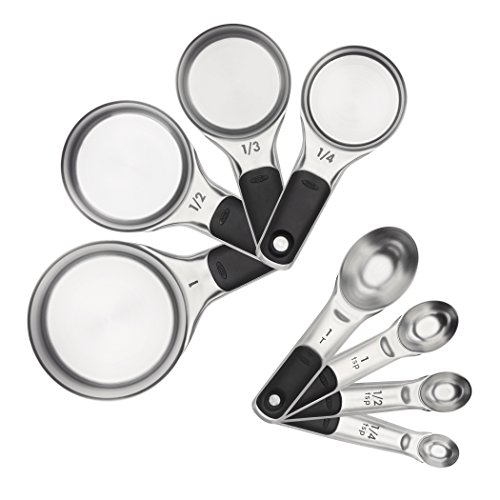
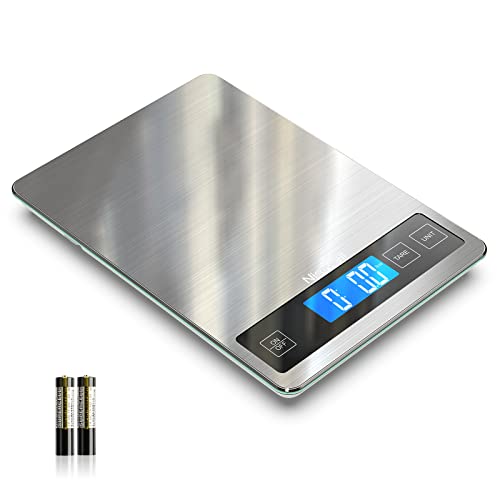
Measuring Cups and Spoons: Accurate measurements are crucial for achieving the right balance of ingredients in buttercream frosting. Opt for a set that includes both cups and spoons, and ensure they’re made of durable materials like stainless steel or BPA-free plastic. Precision in measuring will help maintain the intended flavor and texture.




Ingredients
For the Frosting Base
|
|
| Amount | Ingredient | Notes |
|---|---|---|
| 1 cup | unsalted butter | softened to room temperature for optimal blending |
| 4 cups | powdered sugar | sifted to avoid lumps |
Flavoring
| Amount | Ingredient | Notes |
|---|---|---|
| 2 teaspoons | vanilla extract | adds depth and flavor |
| 2 tablespoons | heavy cream | provides a creamy texture |
Preparation Methods
Creaming: Creaming the butter is a crucial step in making buttercream frosting. This technique involves beating the butter until it becomes pale and fluffy, which helps incorporate air into the mixture. Use a stand mixer at medium speed for best results, and be patient—this process can take several minutes.
Sifting: Sifting the powdered sugar is essential for a smooth frosting. This process breaks up any clumps and aerates the sugar, making it easier to blend with the butter. Use a fine-mesh sieve and gently tap it to sift the sugar into the mixing bowl.
Incorporating: Gradually incorporating the powdered sugar into the butter is key to avoiding a gritty texture. Add the sugar in small batches, mixing thoroughly after each addition. This method ensures even distribution and a creamy consistency.



Step 1: Prepare Butter
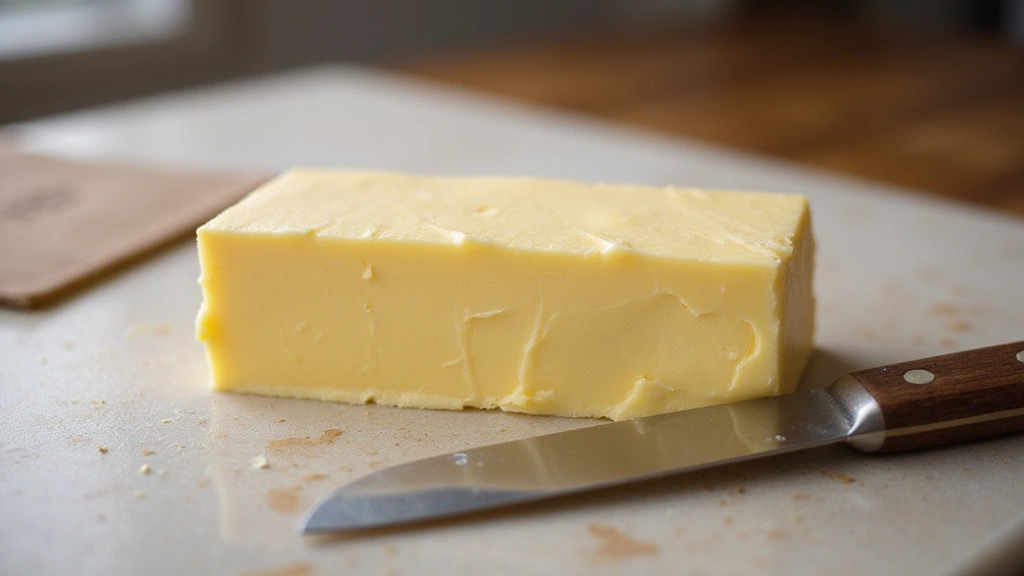
Start by taking the butter out of the refrigerator to soften.
Let it sit at room temperature for about 30 minutes.
The butter should be soft enough to leave an indent when pressed.
Avoid melting it, as this will affect the frosting's texture.



Step 2: Cream the Butter
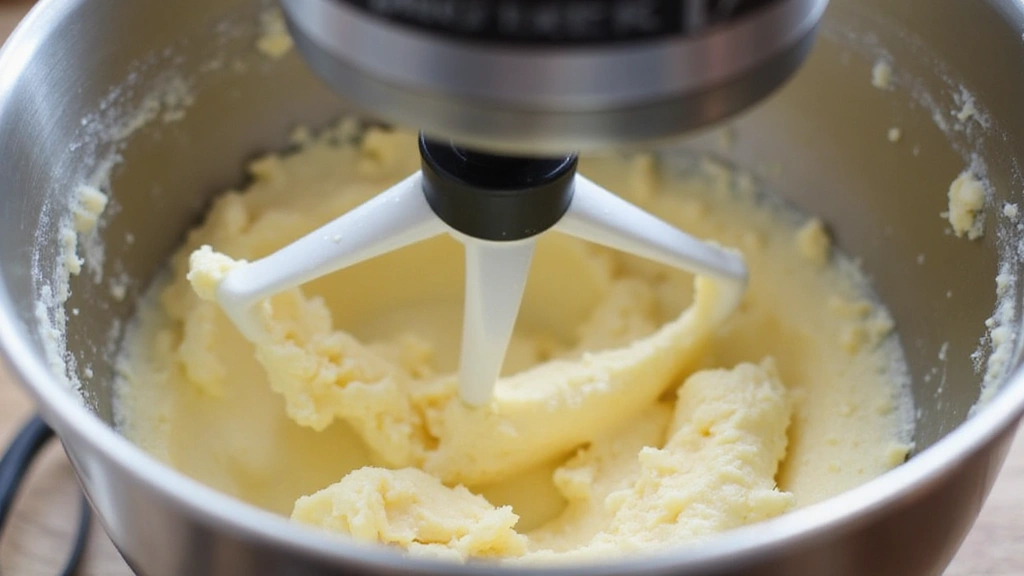
Place the softened butter in the bowl of a stand mixer.
Using the paddle attachment, beat the butter on medium speed.
Continue beating for 3-4 minutes until the butter is pale and fluffy.
Scrape down the sides of the bowl to ensure even mixing.



Step 3: Sift the Powdered Sugar

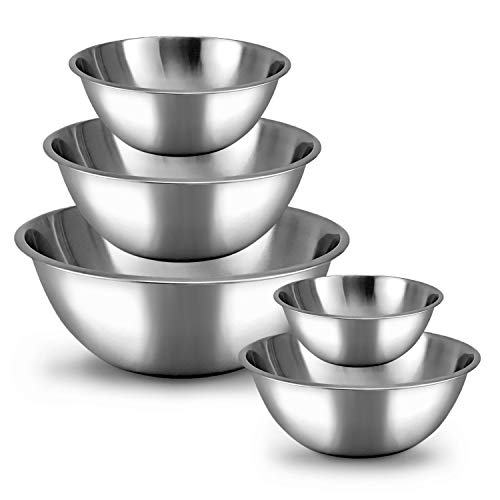
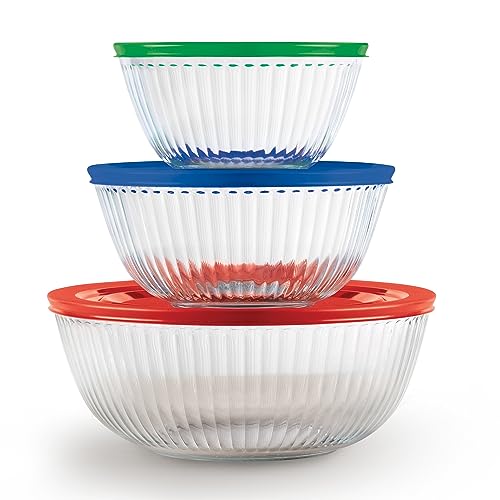
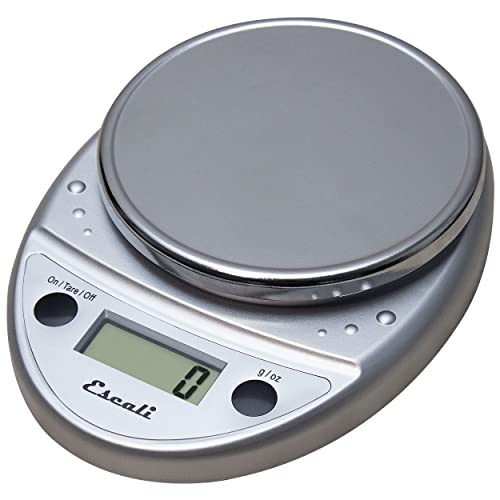
Measure out the powdered sugar into a large bowl.
Use a fine-mesh sieve to sift the sugar into the bowl.
This will help prevent lumps in the frosting.
Gently tap the sieve to pass all the sugar through.




Step 4: Incorporate Sugar into Butter
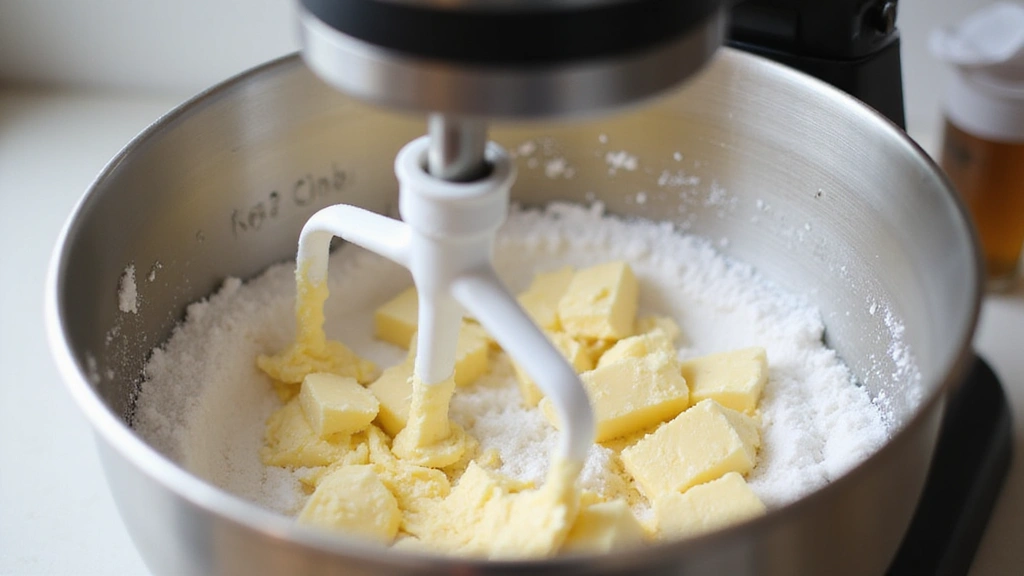
Add the sifted powdered sugar to the creamed butter in batches.
Mix on low speed to prevent sugar from puffing out.
After each addition, increase speed to medium and beat until incorporated.
Continue until all sugar is mixed in and the consistency is smooth.


Step 5: Add Vanilla Extract
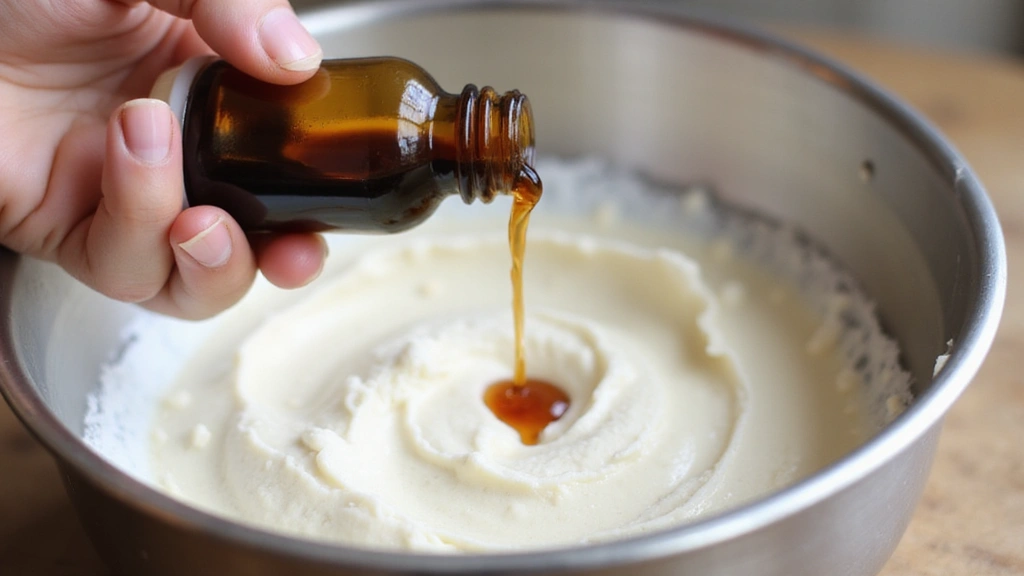
Measure and add the vanilla extract to the frosting mixture.
Mix on low speed to combine the flavor evenly.
The vanilla will add a subtle depth to the frosting.
Ensure the extract is fully incorporated to avoid streaks.
Step 6: Add Heavy Cream

Pour the heavy cream into the frosting mixture.
Start the mixer on low speed and gradually increase to medium.
The cream will help achieve a light and fluffy texture.
Mix until the frosting is smooth and spreadable.
Step 7: Adjust Consistency if Needed
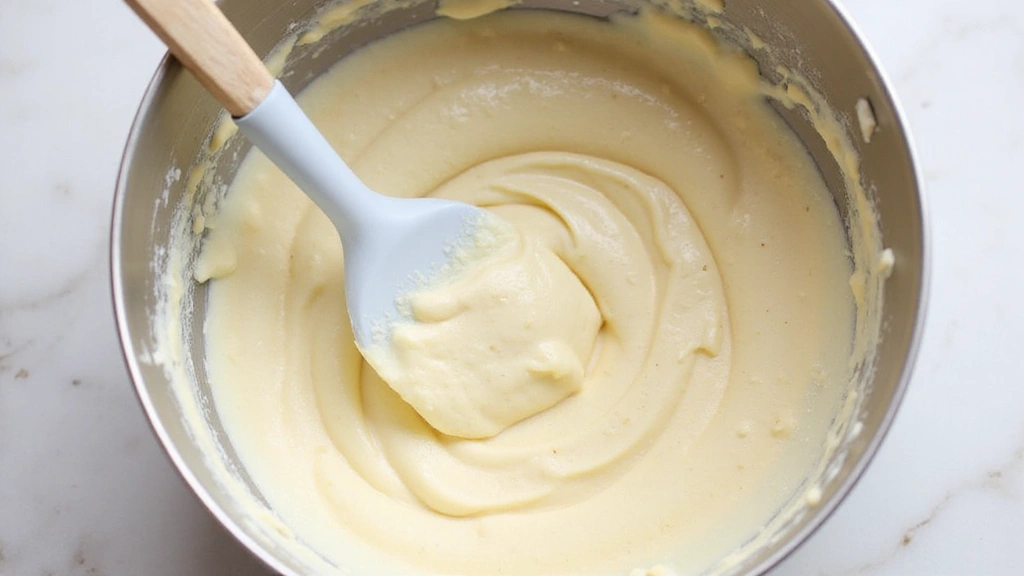
Check the frosting's consistency by running a spatula through it.
If too thick, add a bit more cream and beat again.
If too thin, add more powdered sugar and mix.
Aim for a smooth, spreadable texture that holds its shape.
Step 8: Final Mix and Taste Test
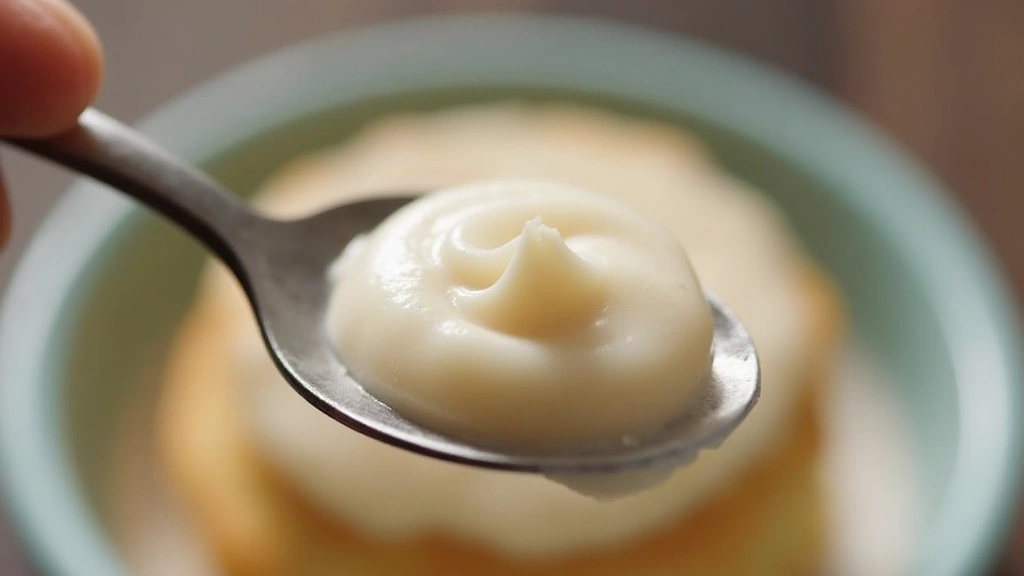
Give the frosting one last mix on medium speed.
Taste the frosting to ensure the sweetness and flavor are balanced.
Adjust with more vanilla or sugar if desired.
The frosting should be light, fluffy, and flavorful.
Critical Timing and Temperature Guide
Softening Butter: Allow the butter to soften at room temperature for about 30 minutes. It should be soft to the touch but not melted. Avoid using a microwave to soften as it can cause uneven texture.
Creaming Butter: Cream the butter for 3-4 minutes until pale and fluffy. Over-creaming can cause the butter to become too soft, affecting the frosting's stability.
Mixing Frosting: Mix each addition of sugar thoroughly before adding more. Insufficient mixing can lead to a gritty texture, while overmixing can make the frosting too airy.
Pro Tips for Buttercream Frosting
• Ingredient Selection: Use high-quality unsalted butter and pure vanilla extract to enhance the flavor and texture of your frosting.
• Preparation Secret: Sifting the powdered sugar before mixing prevents lumps and ensures a smooth frosting.
• Temperature Management: Keep the frosting cool but not cold for optimal spreading consistency.
• Texture Enhancement: Beat the frosting on medium speed to incorporate air without making it too airy.
• Flavor Layering: Add a pinch of salt to balance the sweetness and bring out the vanilla flavor.
• Make-Ahead Strategies: Prepare the frosting in advance and store it in the refrigerator for up to a week. Let it come to room temperature and re-whip before use.
• Restaurant-Quality Finishing Touches: Use a hot spatula or knife to smooth the frosting for a professional finish.
• Equipment Optimization: Ensure your mixer bowl and paddle attachment are clean and dry before starting to avoid interference with the frosting's texture.


Troubleshooting Common Issues
• Frosting Too Runny: If your frosting is too runny, it may be due to over-softened butter or too much liquid. To fix, add more powdered sugar to thicken it and beat until smooth.
• Frosting Too Stiff: If the frosting is too stiff, it might be due to cold butter or insufficient mixing. Add a little more cream and beat until the desired consistency is reached.
• Gritty Texture: A gritty texture can result from not sifting the powdered sugar. To remedy, sift the sugar before use and beat the frosting thoroughly.
• Lack of Flavor: If the frosting lacks flavor, ensure you are using pure vanilla extract and consider adding a pinch of salt to enhance the taste.
• Frosting Separating: Separation can occur if the butter was too warm or the liquid was added too quickly. Chill the frosting slightly and re-beat.
Variations and Regional Differences
• Swiss Meringue Buttercream: This version uses egg whites and sugar heated over a double boiler before being whipped with butter, resulting in a smoother, less sweet frosting.
• Italian Meringue Buttercream: Similar to Swiss, but with hot sugar syrup added to whipped egg whites before incorporating butter, creating a stable, glossy finish.
• French Buttercream: Made with egg yolks, sugar syrup, and butter, this variation is richer and more custard-like, popular for its luxurious texture.
• German Buttercream: Combines pastry cream with butter for a creamy, less sweet alternative, often used in European-style cakes.




Food Science Behind the Recipe
• Emulsification: Butter and sugar are ingredients that do not naturally mix. The creaming process emulsifies them, creating a stable, smooth frosting by incorporating air and evenly distributing fat.
• Aeration: Beating the butter and sugar introduces air, which lightens the frosting's texture, making it fluffy and easy to spread.
• Sugar Structure: Powdered sugar contains cornstarch, which helps stabilize the frosting by absorbing moisture, preventing it from becoming too runny.




Frequently Asked Questions
What's the most common mistake people make when preparing buttercream frosting? Over-softening the butter, which can lead to a runny and unstable frosting.
Can I make buttercream frosting without a mixer? Yes, a hand mixer can work, but it requires more effort and may not achieve the same smoothness.
How can I fix frosting that's too sweet? Add a pinch of salt to balance the sweetness without altering the texture.
Can I freeze buttercream frosting? Yes, it can be frozen for up to 3 months. Thaw in the refrigerator and re-whip before use.
Why is my frosting separating? Separation often results from using butter that's too warm or adding liquid too quickly.
How do I achieve a smooth finish on cakes? Use a hot spatula or bench scraper to smooth the frosting after applying it to the cake.
Is there a dairy-free alternative for buttercream frosting? Yes, you can use dairy-free margarine or shortening as a substitute for butter.
Serving and Presentation Guide
• Traditional Presentation: Spread the frosting smoothly over cakes or cupcakes using an offset spatula for an even layer.
• Textured Finish: Use a spoon or spatula to create swirls or patterns for a rustic, handmade look.
• Piping Designs: Use a piping bag with various tips to create decorative borders or floral designs on cakes and cupcakes.
• Coloring Techniques: Add gel food coloring to create a range of pastel shades, perfect for themed celebrations.
Conclusion
Buttercream frosting is a versatile and delightful addition to any baker's repertoire.
With its smooth, sweet, and fluffy texture, it's sure to impress at any occasion.
Try this recipe and enjoy the satisfaction of creating a homemade treat that rivals any bakery.
Your friends and family will be asking for seconds!