
Slow Cooker Recipes: Easy Meals, Less Effort!
Family-friendly dishes for busy people — quick prep, delicious results.
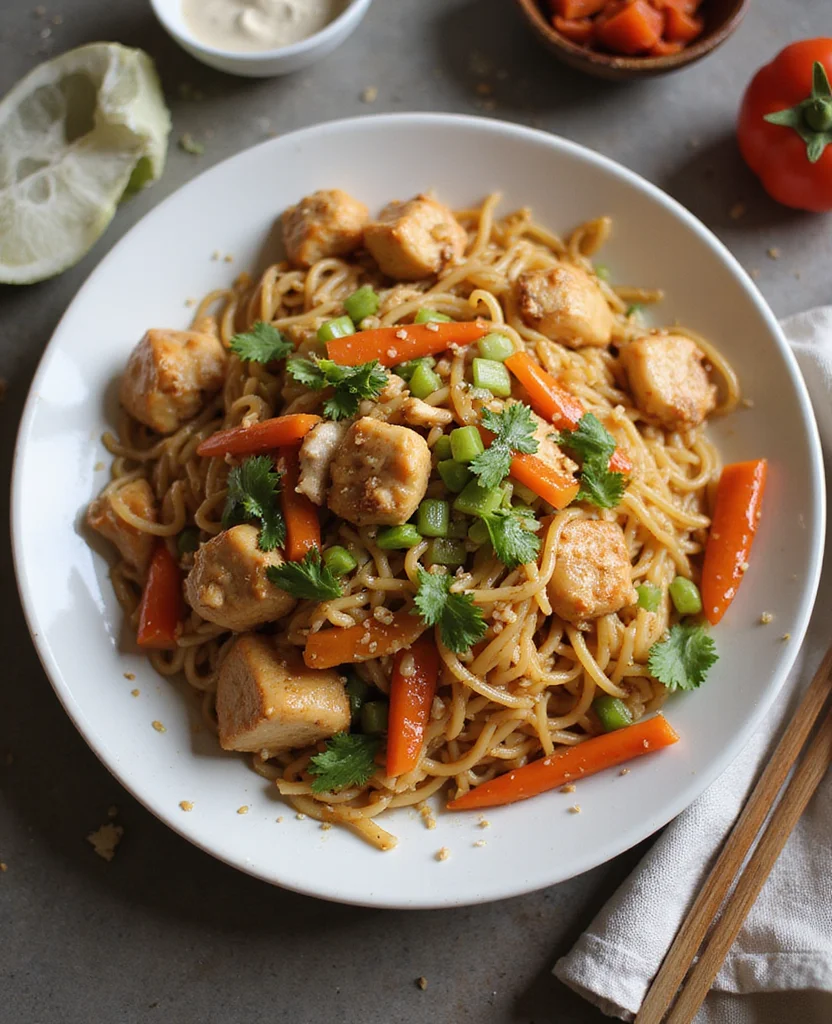
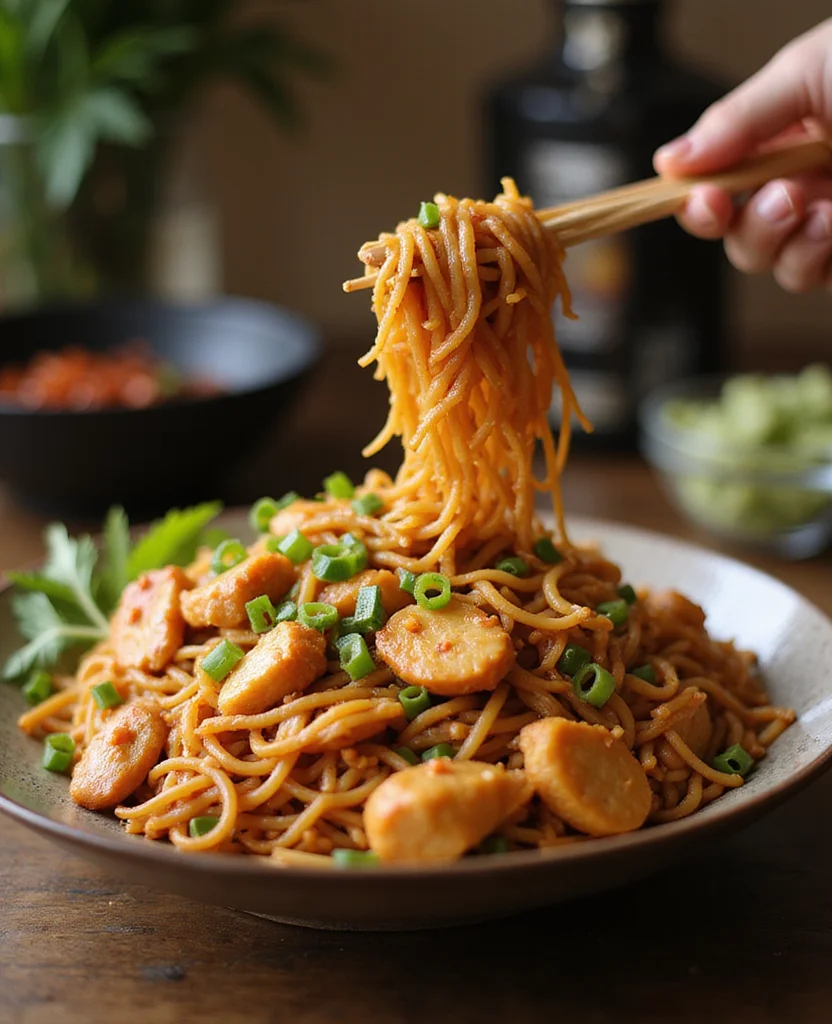
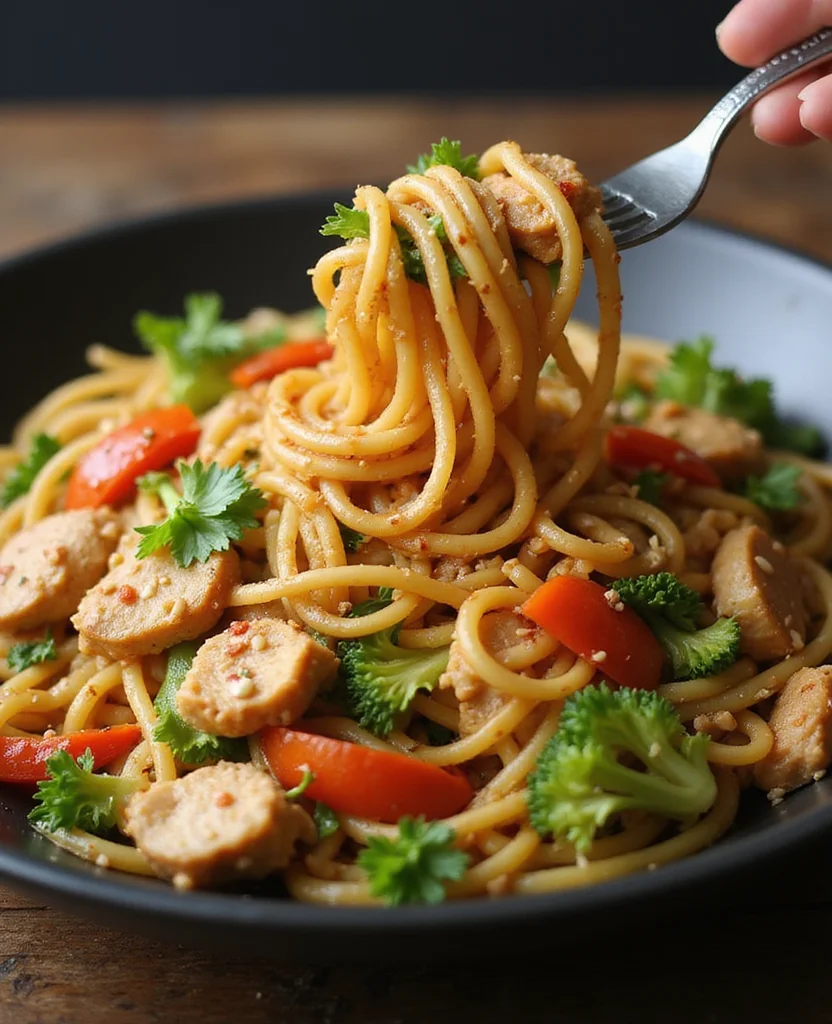
Grab yours for $4The irresistible aroma of Chicken Chow Mein sizzling in the pan is enough to make anyone’s mouth water.
This timeless dish combines tender chicken, crisp vegetables, and savory noodles in a symphony of flavors that outshine any takeout.
I first fell in love with Chicken Chow Mein during a bustling street food festival, where the vibrant colors and enticing smells captured my senses.
Perfect for a quick weeknight meal or a festive gathering, this dish delivers impressive results with minimal effort.
The History and Cultural Significance
• Chicken Chow Mein traces its origins to China, where it was originally created by Cantonese chefs.
• The dish evolved over decades as it traveled through different cultures, with variations incorporating local ingredients and techniques.
• In Chinese culture, this dish traditionally appears at family gatherings and celebrations, symbolizing unity and prosperity.
• While many variations exist across different regions, the authentic version maintains a delicate balance of stir-fried textures and flavors that sets it apart from imitations.


Recipe Overview
Nutritional Information (per serving)
Essential Equipment Guide
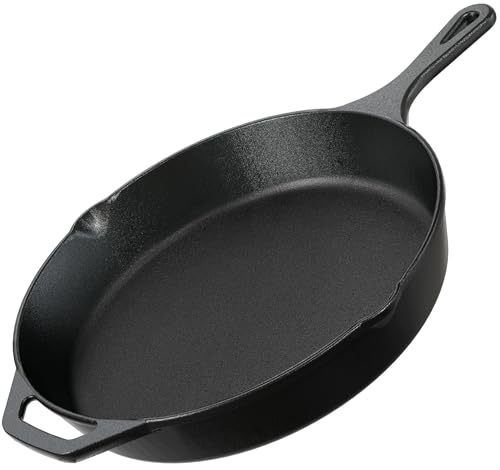
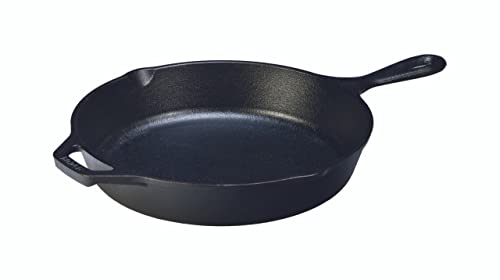
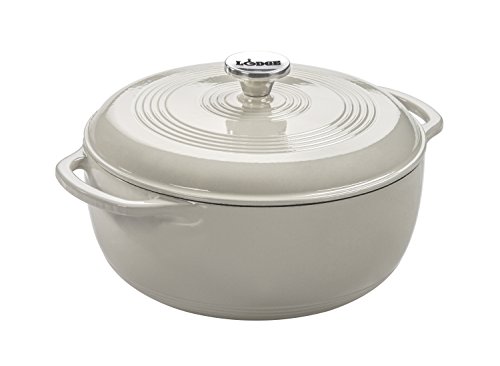
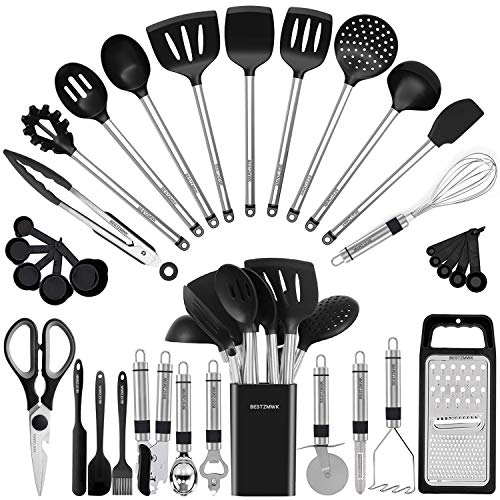
Wok: A wok is essential for achieving the high heat necessary for stir-frying, creating that signature smoky flavor known as ‘wok hei.’ Alternatives like a large frying pan can work, but look for a pan with a wide surface area and a heavy bottom for even heat distribution.
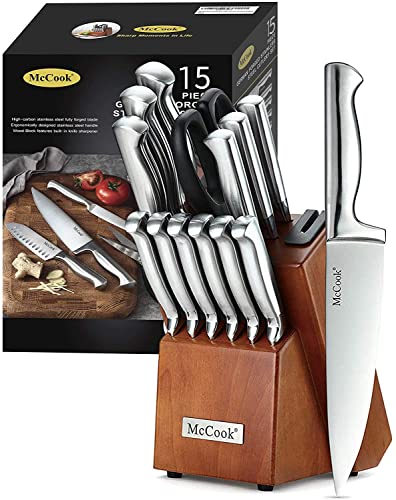
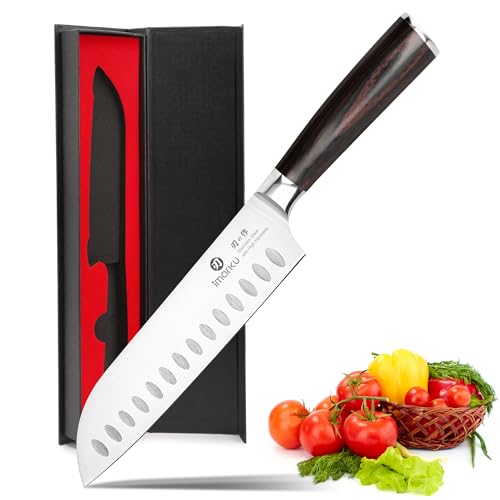
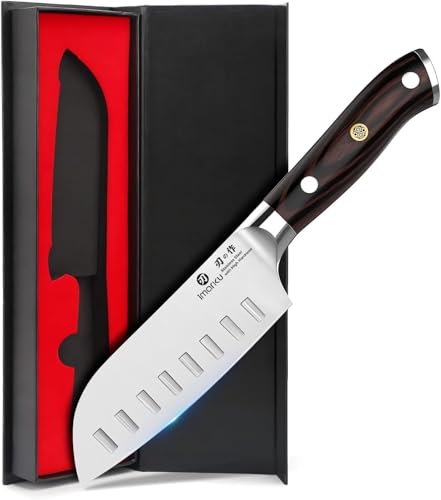
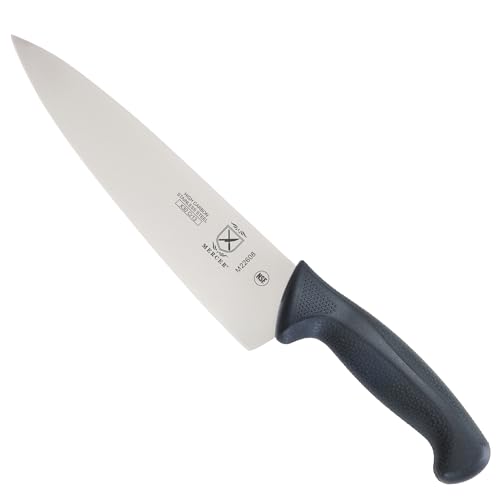
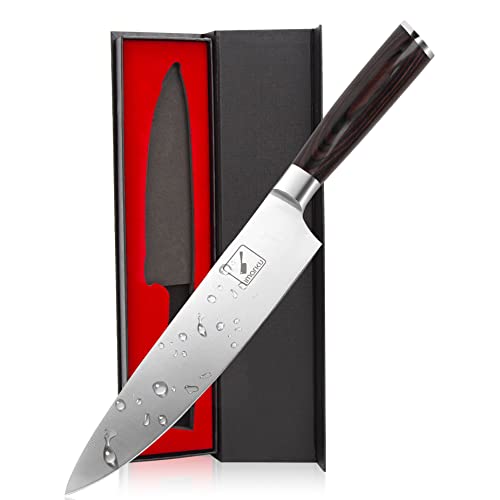
Sharp Chef’s Knife: A sharp knife is crucial for efficiently slicing chicken and vegetables into uniform pieces, ensuring even cooking. Alternatives include a santoku knife, but prioritize a blade that maintains sharpness and precision.
Spider Strainer: This tool is perfect for quickly removing ingredients from boiling water or hot oil, keeping them intact without excess moisture. A slotted spoon can also work, but ensure it has a long handle for safety.


Ingredients
For the Base
|
|
| Amount | Ingredient | Notes |
|---|---|---|
| 200 grams | egg noodles | cooked according to package instructions |
| 300 grams | chicken breast | sliced thinly for quick cooking |
Vegetables
| Amount | Ingredient | Notes |
|---|---|---|
| 1 cup | carrot | julienned for crisp texture |
| 1 cup | bell pepper | sliced into thin strips |
| 1 cup | bean sprouts | adds crunch |
For the Sauce
| Amount | Ingredient | Notes |
|---|---|---|
| 3 tablespoons | soy sauce | adds umami flavor |
| 2 tablespoons | oyster sauce | enhances richness |
| 1 teaspoon | sesame oil | provides aroma |
| 1 teaspoon | cornstarch | thickens sauce |
Seasonings
| Amount | Ingredient | Notes |
|---|---|---|
| 2 cloves | garlic | minced for flavor |
| 1 teaspoon | ginger | freshly grated for spice |
Preparation Methods
Velveting: This technique involves marinating the chicken in a mixture of cornstarch, egg white, and rice wine to ensure tender and silky meat. It is essential for preventing the chicken from drying out during high-heat cooking. To master this, ensure the marinade fully coats the chicken and let it rest for at least 15 minutes.
Stir-Frying: A quick cooking method that requires high heat and constant movement of ingredients in the wok, crucial for preserving the texture and flavor of the dish. Practice by maintaining even heat and using a spatula to keep food in motion.
Blanching: Briefly boiling vegetables in salted water before stir-frying helps retain their vibrant color and crispness. For best results, plunge vegetables into ice water immediately after blanching to stop the cooking process.




Step 1: Prepare Ingredients
Gather all the ingredients and equipment.
Ensure the chicken is sliced thinly and vegetables are prepped.
Organize ingredients by category for efficient cooking.
Double-check that everything is within reach before starting.
Step 2: Cook the Noodles
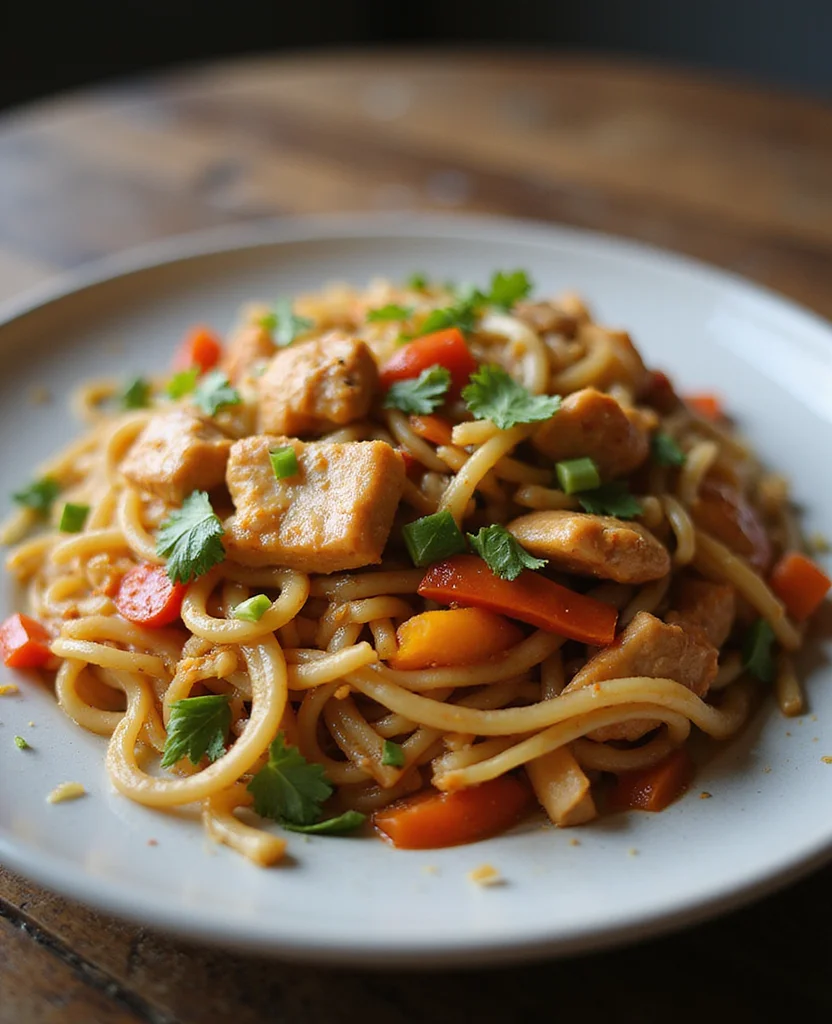
Boil the noodles according to package instructions.
Drain and rinse under cold water to stop cooking.
Toss with a little sesame oil to prevent sticking.
Set aside until needed.




Step 3: Velvet the Chicken
Combine cornstarch, egg white, and rice wine in a bowl.
Add the sliced chicken to the marinade.
Ensure each piece is evenly coated.
Let the chicken marinate for at least 15 minutes.


Step 4: Blanch the Vegetables
Bring a pot of salted water to a boil.
Add the julienned carrots and sliced bell peppers.
Boil for 1-2 minutes until vibrant and crisp-tender.
Transfer immediately to an ice bath to cool.



Step 5: Mix the Sauce
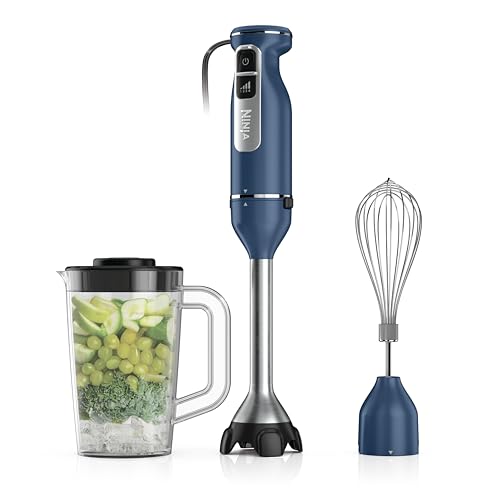
In a small bowl, combine soy sauce, oyster sauce, and sesame oil.
Add a teaspoon of cornstarch to thicken the sauce.
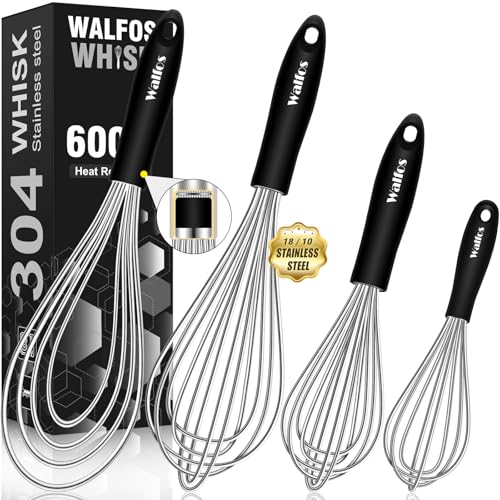
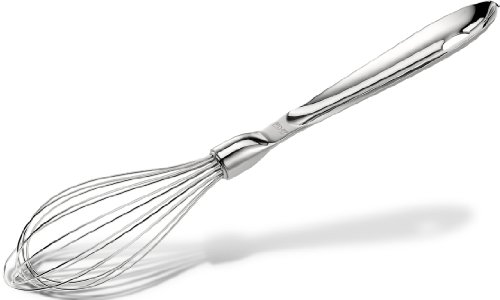
Whisk until smooth and set aside.
Ensure the sauce is well-mixed before adding to the dish.



Step 6: Stir-Fry the Chicken
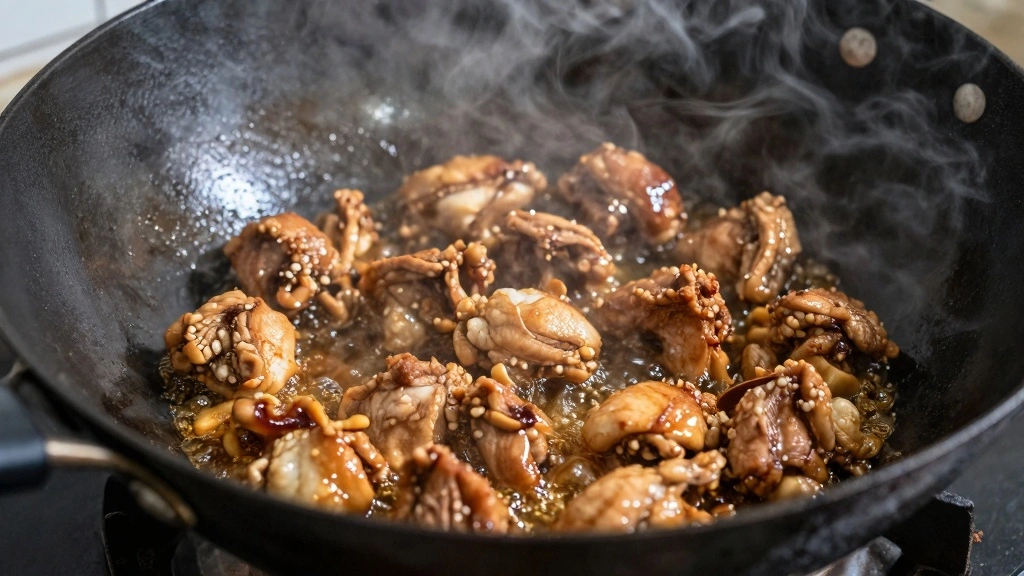
Heat a wok over high heat until smoking.
Add a splash of oil and swirl to coat.
Add the marinated chicken, spreading it out in a single layer.
Stir-fry until the chicken is opaque and cooked through.


Step 7: Add Vegetables and Noodles
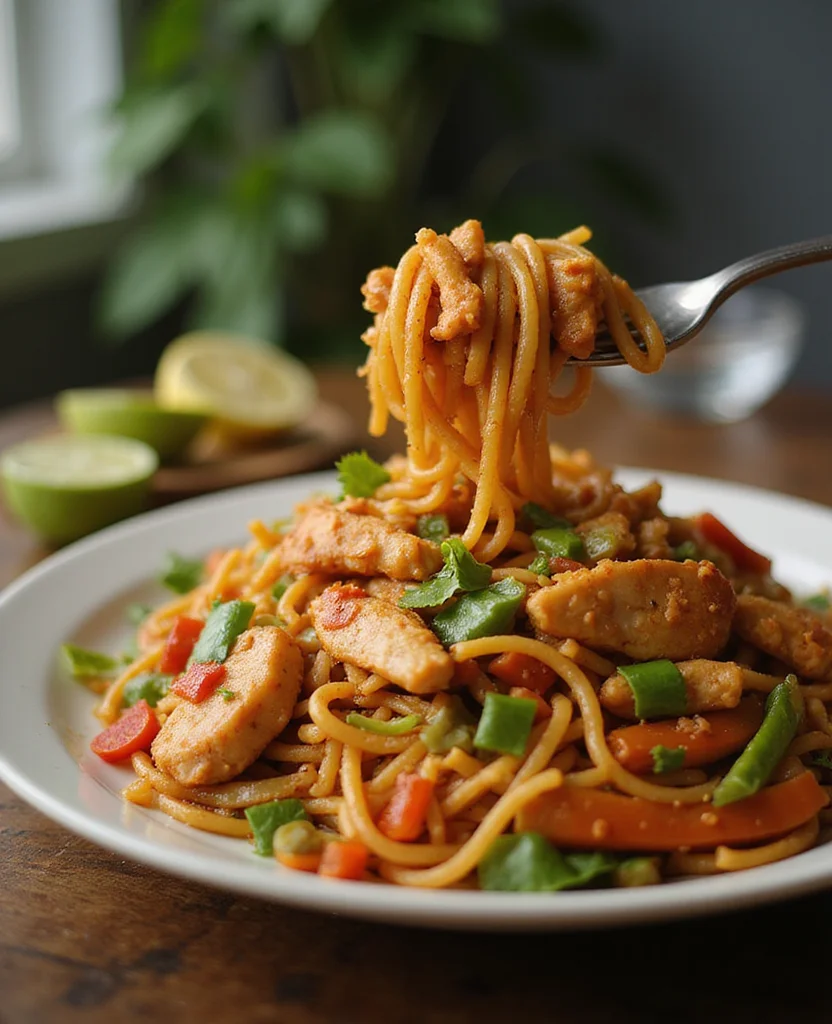
Add minced garlic and ginger to the wok.
Toss in the blanched vegetables and bean sprouts.
Add the cooked noodles and toss everything together.
Ensure all ingredients are evenly mixed and warmed through.





Step 8: Add Sauce and Serve
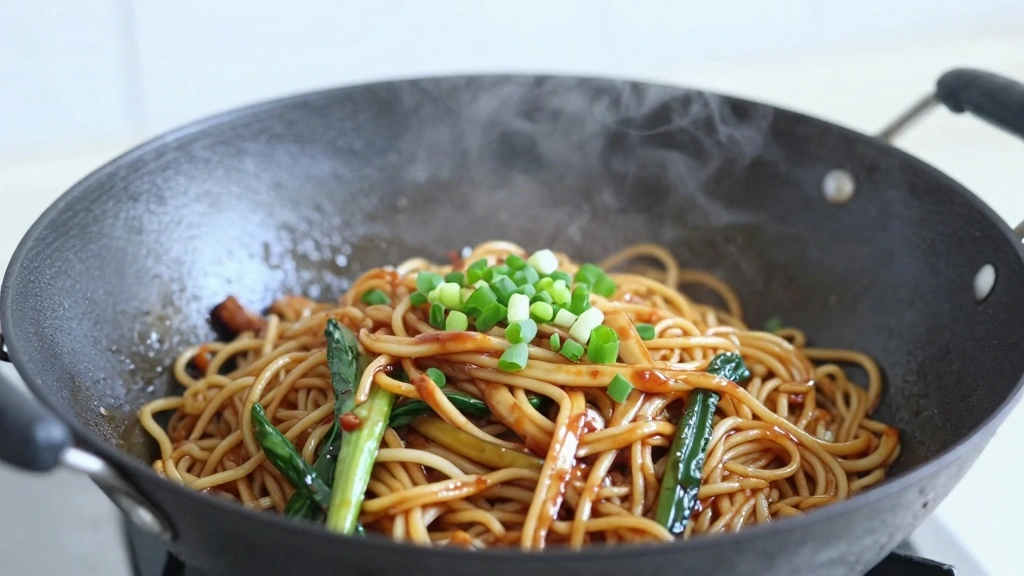
Pour the sauce over the stir-fried mixture.
Toss quickly to coat all ingredients evenly.
Taste and adjust seasoning if needed.
Serve immediately while hot, garnished with green onions if desired.


Critical Timing and Temperature Guide
Noodle Cooking: Boil noodles for exactly the time specified on the package. They should be al dente, with a firm texture. Overcooking results in mushy noodles.
Stir-Frying: Ensure the wok is preheated until it begins to smoke. This high temperature is crucial for creating wok hei, a signature flavor of stir-fried dishes. Stir too slowly, and the ingredients may steam instead of fry.
Chicken Cooking: Cook the chicken over high heat for 2-3 minutes until fully opaque. Undercooking leaves it raw, while overcooking makes it tough.




Pro Tips for Chicken Chow Mein
• Ingredient Selection: Choose fresh, high-quality vegetables and noodles for the best texture and flavor. Fresh bean sprouts make a noticeable difference in crunch.
• Preparation Secret: Dry the vegetables thoroughly after blanching to prevent excess moisture diluting the dish.
• Temperature Management: Keep the wok consistently hot by cooking in small batches and allowing it to reheat in between.
• Texture Enhancement: Toss the noodles with a little oil after boiling to keep them separate and prevent sticking.
• Flavor Layering: Marinate the chicken for deeper flavor infusion before cooking.
• Make-Ahead Strategies: Prepare the sauce and marinate the chicken a day ahead, storing them in the refrigerator.
• Restaurant-Quality Finishing Touches: Garnish with chopped green onions and sesame seeds for a professional appearance.
• Equipment Optimization: Use a large wok to prevent overcrowding and ensure even cooking.


Troubleshooting Common Issues
• Texture Too Mushy: This is often caused by overcooking the noodles or vegetables. Ensure you boil the noodles to al dente and blanch the vegetables briefly.
• Flavors Unbalanced: If the dish tastes too salty or bland, adjust the soy sauce and oyster sauce quantities. Start with less and add more to taste.
• Chicken Overcooked: To avoid dry chicken, ensure it's sliced thinly and not cooked for too long. High heat and quick cooking are key.
• Noodles Clumping: This can happen if noodles are not rinsed after boiling. Rinse under cold water and toss with a bit of oil.
• Vegetables Soggy: Avoid overcrowding the wok and ensure vegetables are dry before stir-frying. High heat is essential to keep them crisp.
• Insufficient Wok Hei: The wok must be extremely hot before adding ingredients. Heat until it starts to smoke for that desired flavor.




Variations and Regional Differences
• American Style: This version often includes more sauce and a sweeter flavor profile, with added ingredients like baby corn or bamboo shoots.
• Cantonese Style: Known for its delicate balance of flavors and textures, this style emphasizes fresh, high-quality ingredients and minimal sauce.
• Szechuan Variation: This spicier version incorporates chili paste or fresh chilies and Szechuan peppercorns, giving it a numbing heat.
• Vegetarian Option: Substitute chicken with tofu or additional vegetables like broccoli and mushrooms for a meat-free meal.

Food Science Behind the Recipe
• Maillard Reaction: This chemical reaction occurs when proteins and sugars in the chicken are exposed to high heat, creating a complex, savory flavor profile.
• Starch Gelatinization: The cornstarch in the marinade and sauce thickens as it heats, coating the ingredients and adding a glossy finish.
• Heat Transfer: Stir-frying relies on efficient heat transfer from the wok to the food, facilitating quick cooking and preserving the ingredients' natural flavors and textures.




Frequently Asked Questions
What's the most common mistake people make when preparing Chicken Chow Mein? The most common mistake is not using high enough heat during stir-frying, which can result in steaming rather than frying the ingredients.
Can I use other types of meat besides chicken? Absolutely, you can substitute chicken with beef, pork, or shrimp, adjusting the cooking time accordingly.
How do I prevent my noodles from sticking together? Rinse them under cold water after boiling and toss them with a little oil before adding to the stir-fry.
Is there a gluten-free version of this recipe? Yes, use gluten-free soy sauce and noodles, and ensure all other ingredients are gluten-free.
Can I make Chicken Chow Mein ahead of time? You can prepare the components in advance, but it's best to stir-fry all ingredients just before serving to maintain texture.
What can I serve with Chicken Chow Mein? It pairs well with steamed rice, egg rolls, or a light Asian salad.
Can I freeze leftovers? While it's possible, the texture of the noodles and vegetables may change. It's best enjoyed fresh.
Serving and Presentation Guide
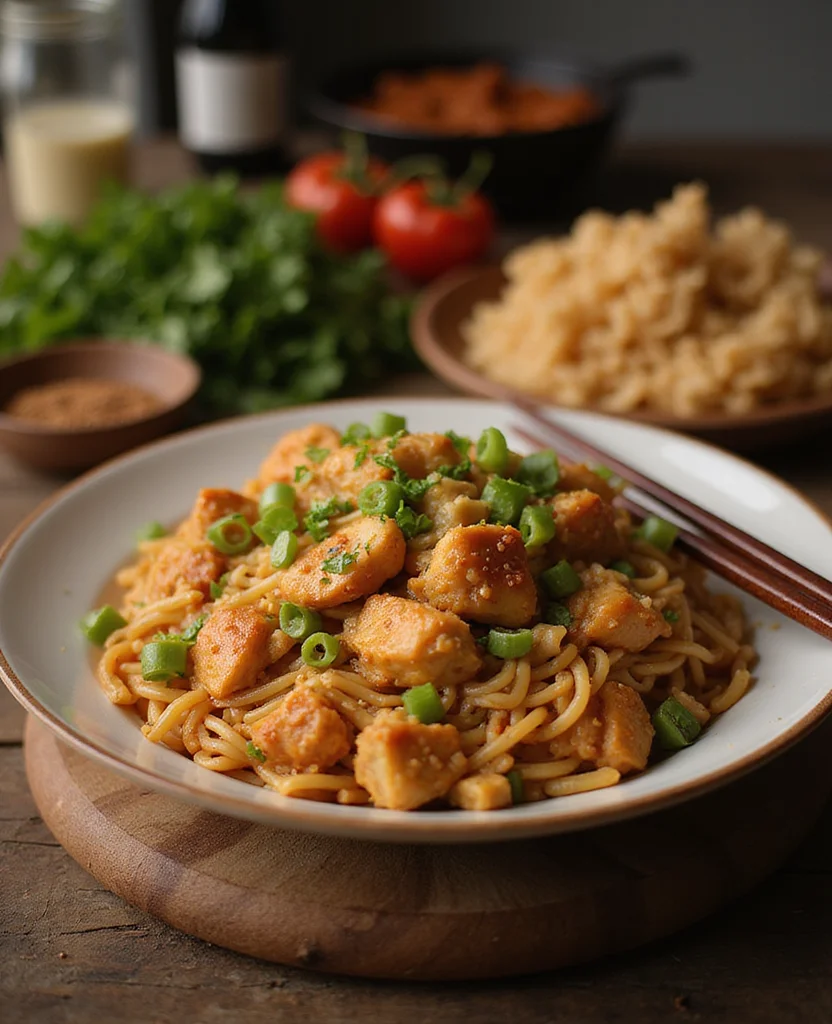
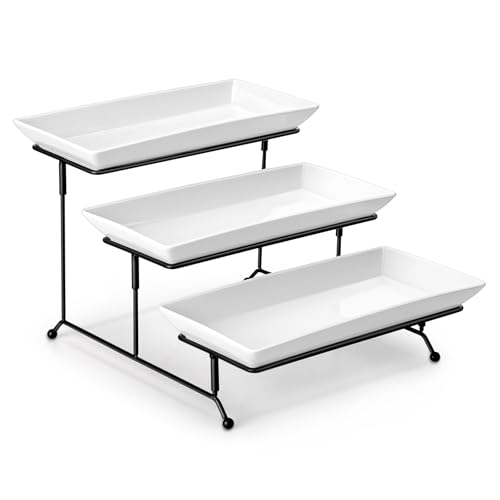
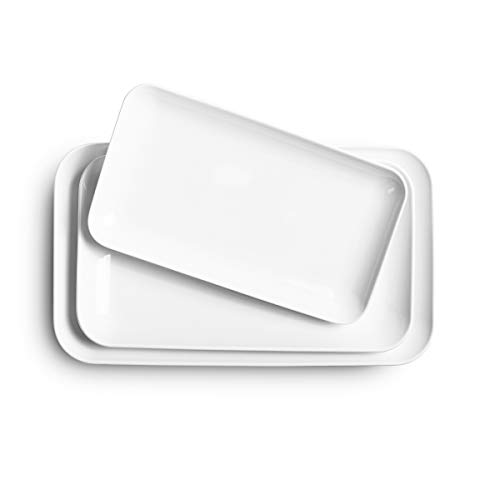
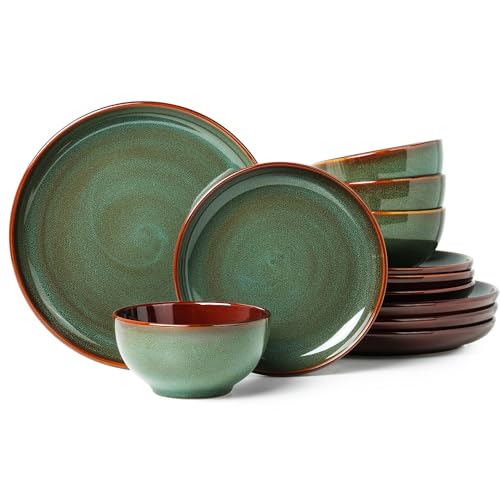
• Traditional Presentation: Serve in a large bowl or platter, garnished with sliced green onions and sesame seeds, with chopsticks on the side.
• Family Style: Present on a large communal platter in the center of the table, allowing everyone to serve themselves.
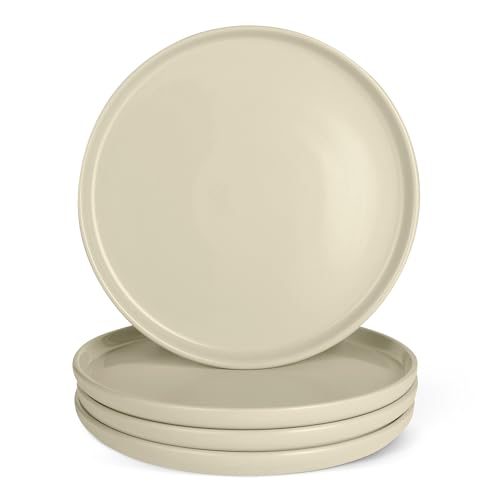
• Individual Plates: Arrange a portion on each plate with a small side salad or steamed dumplings.
• Elegant Presentation: Place in small individual bowls atop a banana leaf for an exotic touch, perfect for a dinner party.


Conclusion
Now that you've mastered the art of making Chicken Chow Mein, you're ready to impress your family and friends.
With its vibrant flavors and satisfying textures, this dish is sure to become a staple in your culinary repertoire.
Enjoy the taste of takeout-quality chow mein from the comfort of your home, knowing exactly what goes into every delicious bite.