
Slow Cooker Recipes: Easy Meals, Less Effort!
Family-friendly dishes for busy people — quick prep, delicious results.
Grab yours for $4There’s something incredibly satisfying about creating a dish at home that rivals your favorite takeout.
Better-Than-Takeout Chicken Fried Rice is a culinary masterpiece that combines the savory, aromatic flavors of soy sauce and sesame oil with tender chicken and fresh vegetables.
The beauty of this dish lies in its simplicity and versatility, allowing you to tailor it to your preferences.
Whether it’s a busy weeknight or a lazy weekend, this recipe is your go-to for a quick, delicious, and fulfilling meal.
The vibrant colors and rich flavors of this fried rice will transport your taste buds to the bustling streets of Asia.
Prepare to impress your family and friends with a dish that truly lives up to its name.
The History and Cultural Significance
• Better-Than-Takeout Chicken Fried Rice traces its origins to China, where it was originally created by resourceful cooks in the Sui Dynasty.
• The dish evolved over decades as Chinese immigrants introduced it to other parts of the world, adapting ingredients and techniques according to local tastes.
• In Chinese culture, this dish traditionally appears at family gatherings and New Year celebrations, symbolizing prosperity and unity.
• While many variations exist across different regions, the authentic version maintains the use of day-old rice for the best texture and flavor.


Recipe Overview
Nutritional Information (per serving)
Essential Equipment Guide
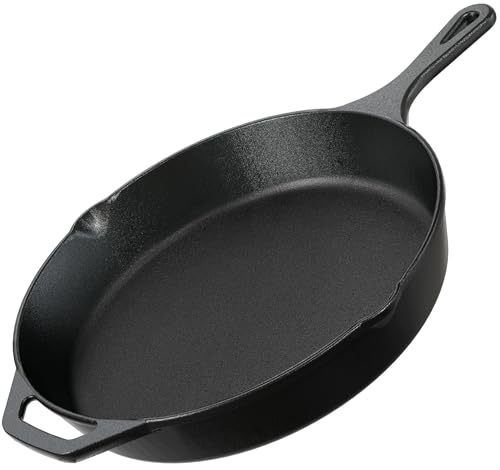
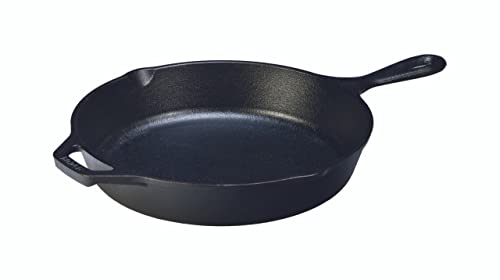
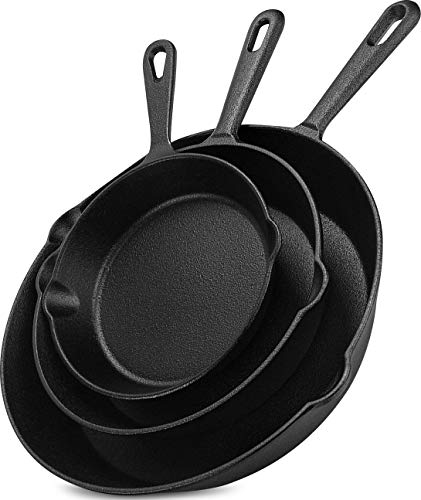
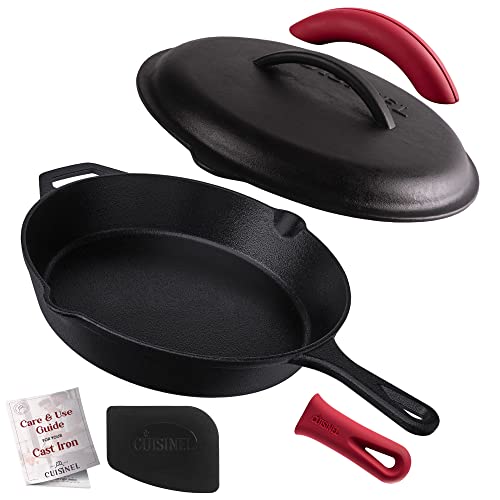
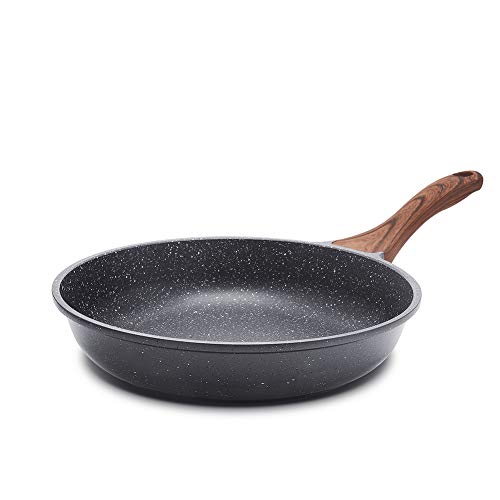
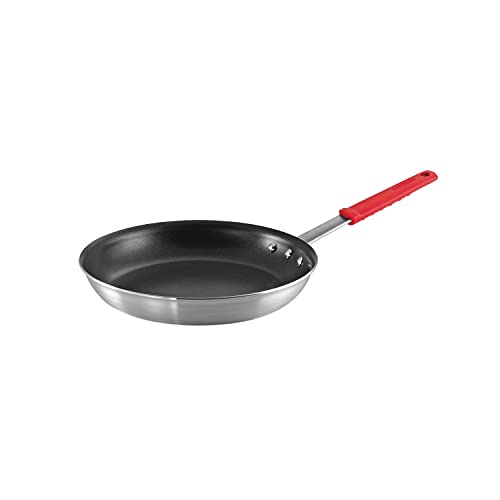
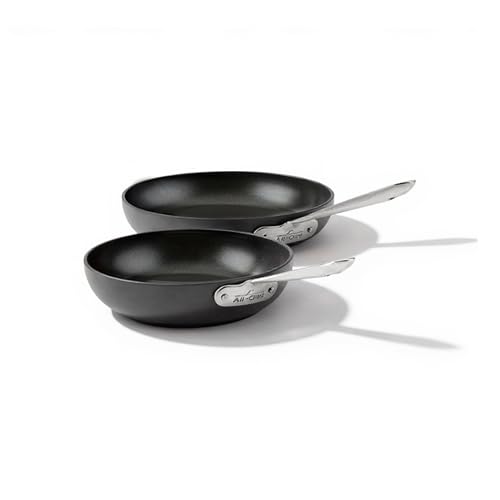
Wok: The wok is essential for achieving the smoky, charred flavor that characterizes authentic fried rice. Its high sides and even heat distribution make stir-frying efficient. If a wok is unavailable, a large non-stick skillet can be used, though it won’t deliver the same results.
Rice Cooker: Ensures perfectly cooked rice every time, which is crucial for this dish. Look for a model with a ‘keep warm’ function to maintain the rice’s ideal texture until you’re ready to fry it.
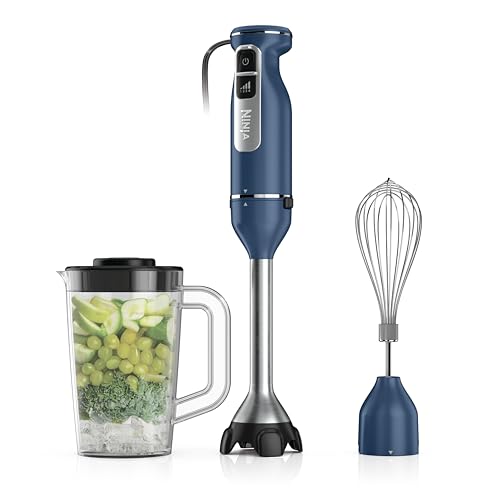
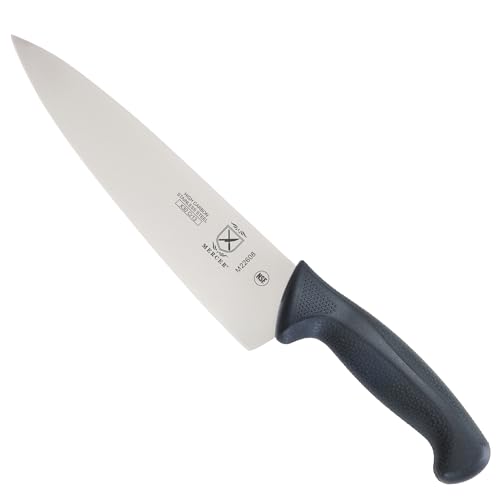
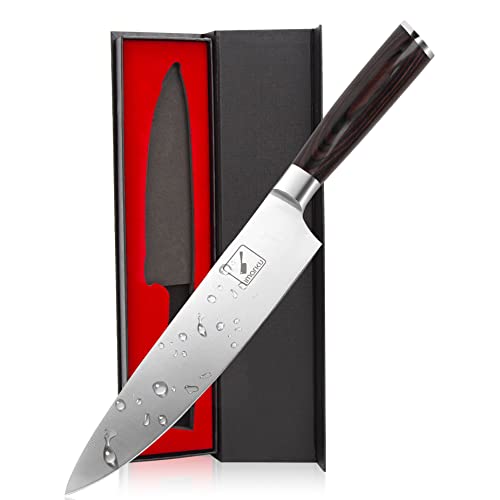
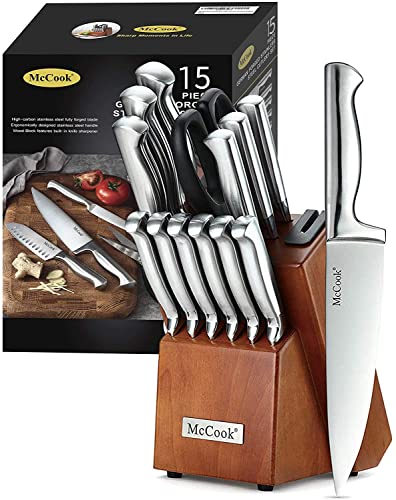
Sharp Knife: A sharp knife is necessary for dicing chicken and vegetables evenly, ensuring even cooking. Look for a chef’s knife with a comfortable grip and a blade that maintains sharpness over time.



Ingredients
For the Rice
|
|
| Amount | Ingredient | Notes |
|---|---|---|
| 2 cups | cooked white rice | preferably day-old, for better texture |
For the Chicken
| Amount | Ingredient | Notes |
|---|---|---|
| 1 pound | chicken breast | diced into bite-sized pieces |
| 1 tablespoon | soy sauce | marinate chicken, adds umami |
Vegetables
| Amount | Ingredient | Notes |
|---|---|---|
| 1 cup | frozen peas and carrots | thawed |
| 1 medium | onion | finely chopped |
Seasonings
| Amount | Ingredient | Notes |
|---|---|---|
| 2 tablespoons | soy sauce | adds depth of flavor |
| 1 tablespoon | sesame oil | imparts nutty aroma |
| 2 cloves | garlic | minced |
| 2 large | eggs | lightly beaten |
| 1 teaspoon | salt | to taste |
Garnishes
| Amount | Ingredient | Notes |
|---|---|---|
| 2 tablespoons | green onions | sliced, for freshness |
| 1 teaspoon | sesame seeds | for garnish |
Preparation Methods
Seasoning the Wok: This technique involves heating the wok and adding a small amount of oil to coat the surface before cooking. It helps prevent sticking and enhances the flavor of the dish. Ensure the wok is hot before adding oil, and use a high-smoke-point oil like canola.
Velveting Chicken: A Chinese cooking technique that involves marinating chicken in a mixture of egg white, cornstarch, and rice vinegar before cooking. This results in tender, juicy chicken pieces. Ensure the chicken is coated evenly and marinate for at least 15 minutes.
Stir-Frying: A quick cooking method using high heat and constant stirring to cook ingredients evenly. This technique is crucial for preventing overcooking and achieving a smoky flavor. Keep all ingredients prepped and within reach before starting.


Step 1: Prepare the Rice

Measure two cups of day-old cooked rice and break up any clumps with a fork.
Ensure the rice is at room temperature for even frying.
If using freshly cooked rice, spread it on a baking sheet to cool rapidly.
This step ensures each grain fries evenly without becoming mushy.




Step 2: Marinate the Chicken
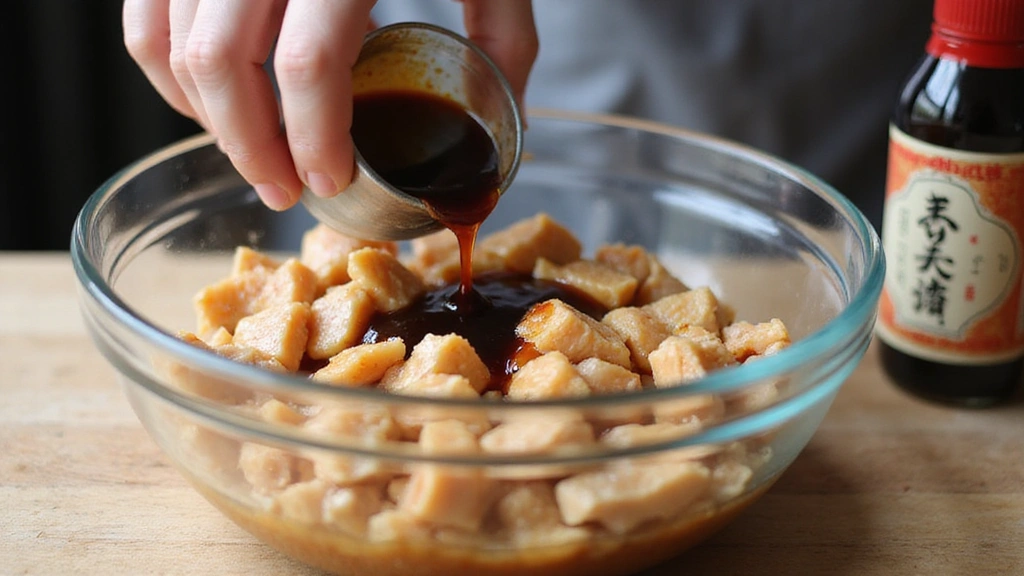
Dice the chicken breast into bite-sized pieces and place in a bowl.
Add one tablespoon of soy sauce and mix to coat the chicken evenly.
Let the chicken marinate for at least 15 minutes to absorb flavors.
This marinating step infuses the chicken with rich umami taste.



Step 3: Prepare the Vegetables
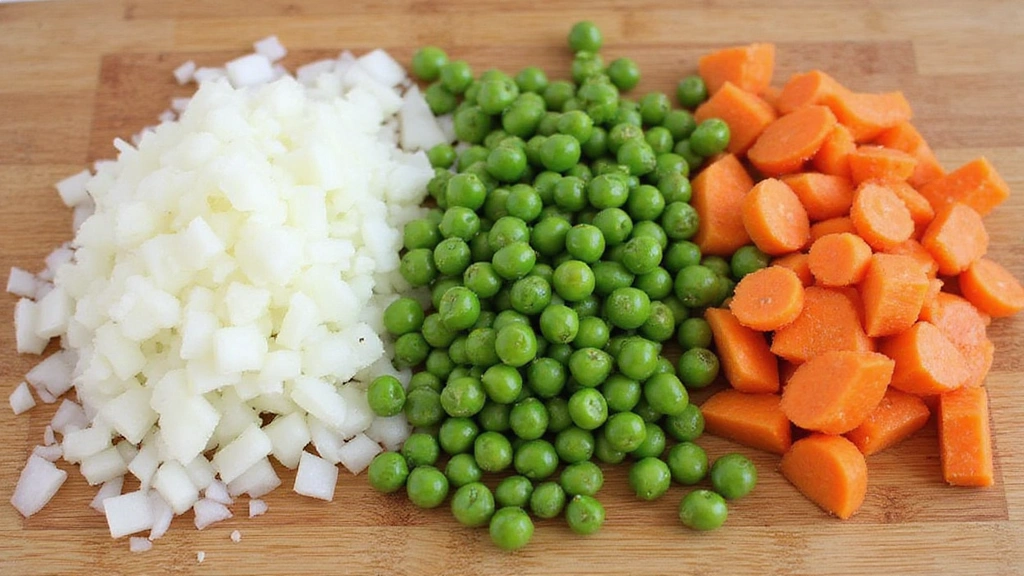
Chop one medium onion finely and set aside.
Thaw one cup of frozen peas and carrots, draining any excess water.
Ensure the vegetables are at room temperature for quick cooking.
This preparation step ensures all ingredients cook evenly without excess moisture.



Step 4: Beat the Eggs
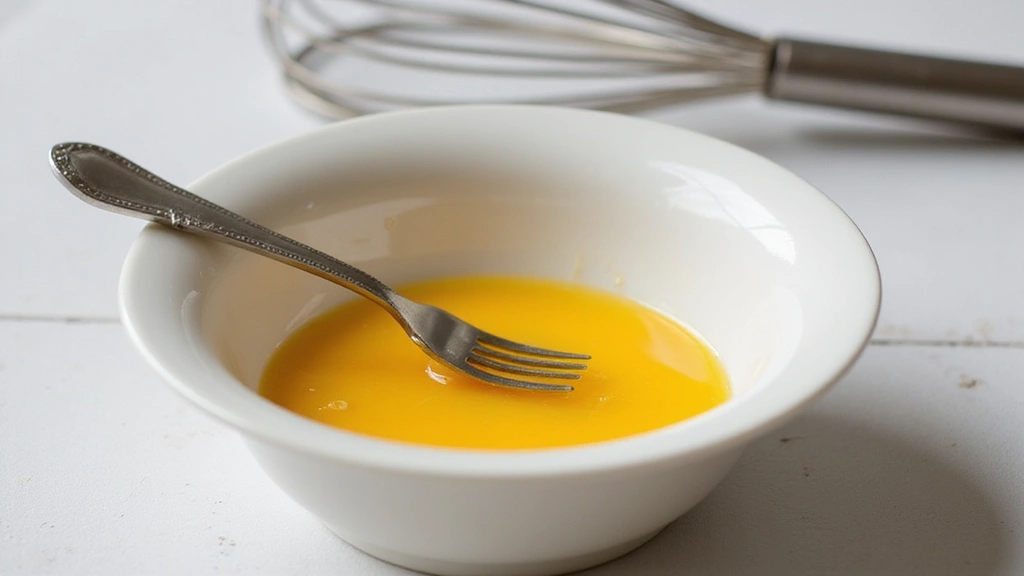
Crack two large eggs into a bowl and beat them lightly with a fork.
Ensure the yolks and whites are well combined for even cooking.
Set the beaten eggs aside for quick access during stir-frying.
Properly beaten eggs will create fluffy, evenly cooked pieces in the fried rice.




Step 5: Season the Wok
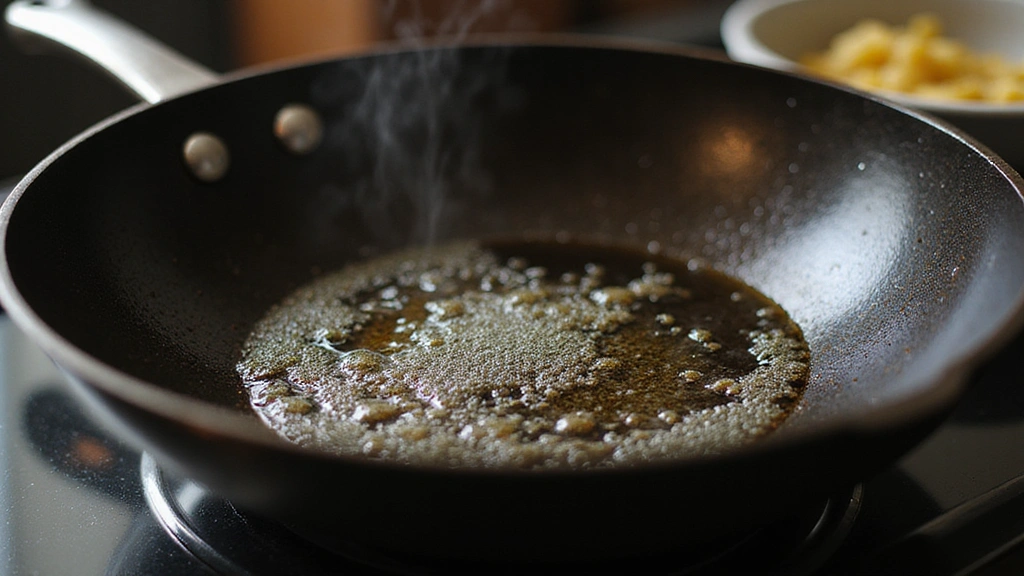
Heat the wok over medium-high heat until a drop of water sizzles on contact.
Add a tablespoon of oil, swirling to coat the surface evenly.
Wait for the oil to shimmer, indicating it's hot enough to start cooking.
This step ensures ingredients won't stick and enhances flavor.



Step 6: Cook the Chicken
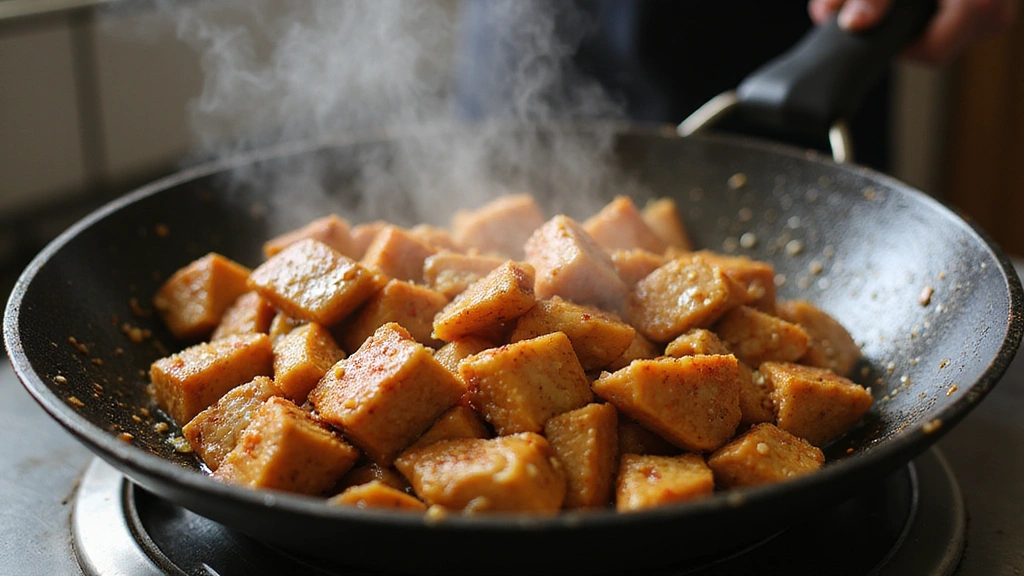
Add the marinated chicken to the hot wok in a single layer.
Stir-fry for 4-5 minutes until the chicken is cooked through and lightly browned.
Remove the chicken from the wok and set it aside.
This step ensures the chicken remains tender and flavorful.




Step 7: Scramble the Eggs
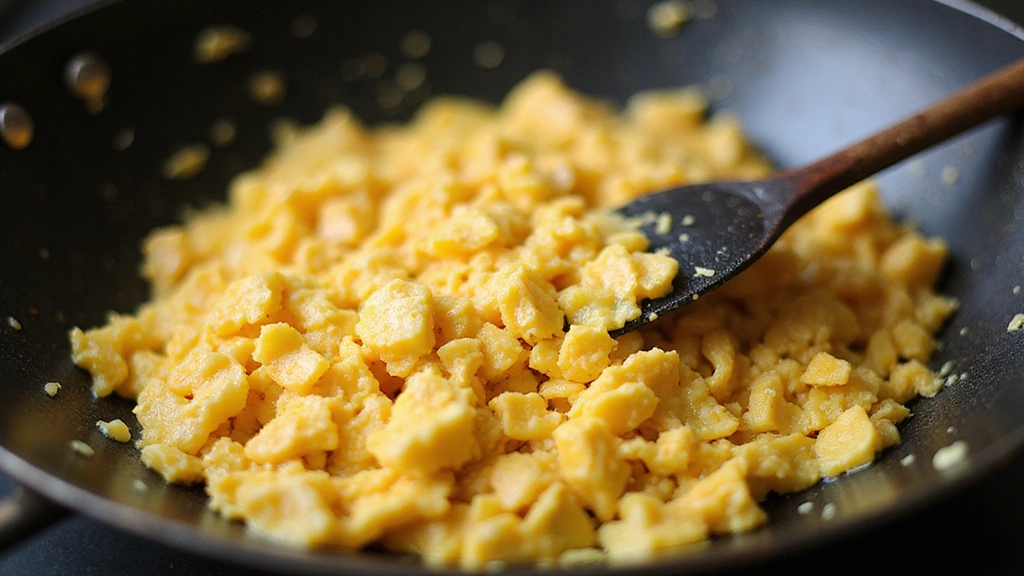
Add the beaten eggs to the empty wok and stir gently.
Cook until the eggs are just set, forming soft curds.
Break the eggs into smaller pieces with a spatula.
This step creates fluffy egg pieces that integrate well into the fried rice.





Step 8: Combine Ingredients
Return the cooked chicken to the wok, along with the vegetables.
Add the rice, two tablespoons of soy sauce, and one tablespoon of sesame oil.
Stir-fry everything together for 3-4 minutes, ensuring even distribution.
This final step blends all flavors and heats everything through.
Critical Timing and Temperature Guide
Cooking Rice: Cook rice until just tender, about 18 minutes for white rice. Visual indicators include fluffy grains that hold their shape. Avoid using freshly cooked rice directly in fried rice to prevent clumping.
Stir-Frying Chicken: Cook chicken over medium-high heat for 4-5 minutes until golden brown. Check for doneness by ensuring no pink remains in the center. Avoid overcooking to prevent dry, tough pieces.
Scrambling Eggs: Cook eggs over medium heat, stirring gently until just set. Look for soft, small curds that are fully cooked but not rubbery. Avoid over-scrambling to maintain fluffiness.




Pro Tips for Better-Than-Takeout Chicken Fried
• Ingredient Selection: Choose high-quality soy sauce and sesame oil for the best flavor. These ingredients significantly impact the dish's overall taste.
• Preparation Secret: Use day-old rice to ensure the grains fry up individually without clumping, a technique often overlooked by home cooks.
• Temperature Management: Ensure the wok is hot before adding ingredients to achieve the smoky, charred flavor essential for authentic fried rice.
• Texture Enhancement: Add sesame oil at the end of cooking to maintain its fragrant aroma and avoid soggy rice.
• Flavor Layering: Add soy sauce gradually, tasting as you go to achieve the perfect balance of saltiness and umami.
• Make-Ahead Strategies: Prepare and marinate the chicken a day in advance, storing it in the refrigerator for deeper flavor infusion.
• Restaurant-Quality Finishing Touches: Garnish with fresh green onions and sesame seeds for a burst of color and texture.
• Equipment Optimization: Use a heavy-bottomed wok or skillet to retain heat better and provide even cooking.


Troubleshooting Common Issues
• Rice Sticking: If rice sticks to the wok, the wok may not be hot enough before adding rice. Preheat the wok thoroughly before adding oil and ingredients to prevent sticking.
• Chicken Too Dry: Overcooked chicken can become dry; ensure not to over-stir during cooking and remove from the wok as soon as it's cooked through.
• Flavors Unbalanced: If the dish tastes bland, adjust seasoning by adding more soy sauce or a pinch of salt. Taste frequently to achieve the desired flavor balance.
• Vegetables Soggy: Excess water from frozen vegetables can cause sogginess. Drain vegetables well and pat them dry before adding to the wok.
• Eggs Rubbery: Overcooking eggs can lead to a rubbery texture. Cook eggs gently and stop as soon as they are set to maintain tenderness.
• Rice Clumping: Using freshly cooked rice can lead to clumping. Always use day-old rice, and break it apart before frying to ensure a fluffy texture.




Variations and Regional Differences
• Thai Style: Incorporates fish sauce and lime juice for a tangy twist. Often includes pineapple chunks and cashews for added texture and flavor.
• Indonesian Nasi Goreng: Features kecap manis (sweet soy sauce) and is topped with fried shallots and a fried egg. The sweet and savory balance sets it apart.
• Japanese Chahan: Uses short-grain rice and often includes pickled ginger and green peas. Soy sauce is used sparingly, focusing on a milder flavor profile.
• American Fried Rice: A fusion dish that adds ketchup and is often served with fried chicken or sausage, reflecting Western influences.
Food Science Behind the Recipe
• Maillard Reaction: This chemical reaction occurs when proteins and sugars in the chicken and rice are exposed to high heat, creating deep flavors and a golden color.
• Gelatinization: The starches in rice absorb water and swell during cooking, giving rice its characteristic texture. Using day-old rice allows the surface to dry, enhancing the frying process.
• Emulsification: The sesame oil and soy sauce form a thin coating on the rice and ingredients, distributing flavors evenly and improving the dish's mouthfeel.
Frequently Asked Questions
What's the most common mistake people make when preparing Chicken Fried Rice? Overcrowding the wok, which leads to steaming rather than frying, is a common mistake. Cook in batches if necessary to maintain high heat.
Can I use brown rice instead of white rice? Yes, brown rice can be used, though it will alter the texture slightly. Ensure it's fully cooked and cooled before frying.
How can I make this dish vegetarian? Replace chicken with tofu or additional vegetables like bell peppers and mushrooms for a hearty vegetarian version.
What's the best way to store leftovers? Store leftovers in an airtight container in the refrigerator for up to three days. Reheat in a skillet to maintain texture.
Can I freeze Chicken Fried Rice? Yes, it can be frozen for up to two months. Thaw in the refrigerator before reheating thoroughly in a skillet.
How do I prevent the rice from becoming mushy? Use day-old rice, and avoid stirring too frequently to maintain the integrity of the grains.
What's the key to achieving authentic flavor? Using high-quality soy sauce and sesame oil is crucial for authentic flavor. Adjust seasoning gradually to suit your taste.
Serving and Presentation Guide
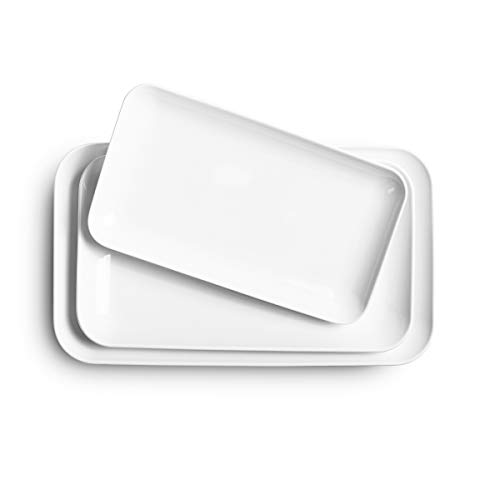
• Traditional Presentation: Serve the fried rice on a large platter, garnished with green onions and sesame seeds for a family-style meal.
• Individual Bowls: Present in individual bowls, topped with a fried egg for an elegant touch.
• Garnish with Fresh Herbs: Add a sprig of cilantro or parsley for a pop of color and freshness.
• Side Accompaniments: Serve with pickled vegetables or a small side of soy sauce for added flavor options.


Conclusion
With this Better-Than-Takeout Chicken Fried Rice recipe, you're equipped to create a delicious meal that rivals any restaurant offering.
The combination of simple ingredients and straightforward techniques ensures impressive results every time.
Give this recipe a try and enjoy a homemade dish that truly stands out from typical takeout options.