
Slow Cooker Recipes: Easy Meals, Less Effort!
Family-friendly dishes for busy people — quick prep, delicious results.
Grab yours for $4The aroma of Chicken Lo Mein wafting through the kitchen brings back memories of bustling street markets in China.
This dish offers a delightful combination of tender chicken, savory noodles, and crisp vegetables.
Each bite is a harmony of sweet, salty, and umami flavors that tantalize the taste buds.
Preparing Chicken Lo Mein at home means enjoying a healthier, personalized version of a takeout classic.
It’s perfect for a quick weekday dinner or a satisfying weekend treat.
With just 25 minutes on the clock, you’ll have a delicious meal ready to serve.
The History and Cultural Significance
• Chicken Lo Mein traces its origins to China, where it was originally created as a simple street food.
• The dish evolved over decades as Chinese immigrants adapted it to Western tastes, eventually becoming the beloved version we know today.
• In Chinese culture, this dish traditionally appears at family gatherings, symbolizing togetherness and prosperity.
• While many variations exist across different regions, the authentic version maintains a balance of flavors and textures that sets it apart from imitations.


Recipe Overview
Nutritional Information (per serving)
Essential Equipment Guide
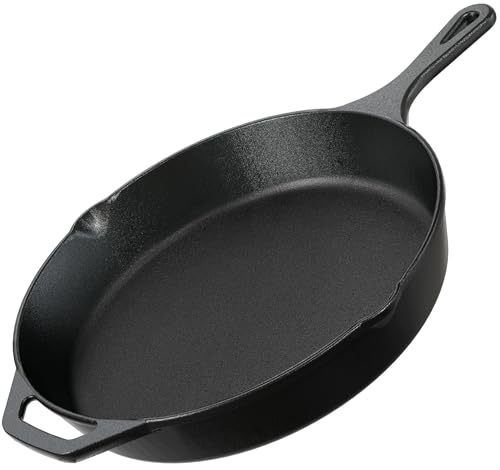
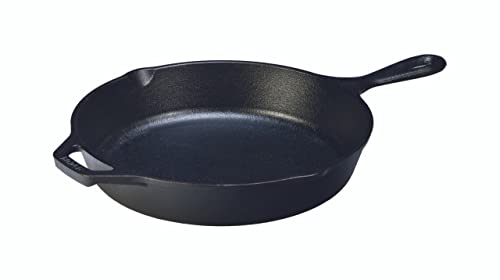
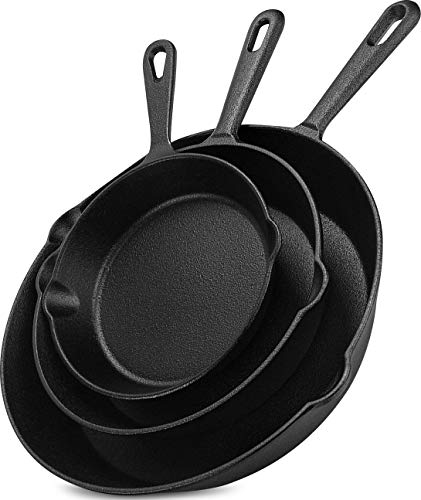
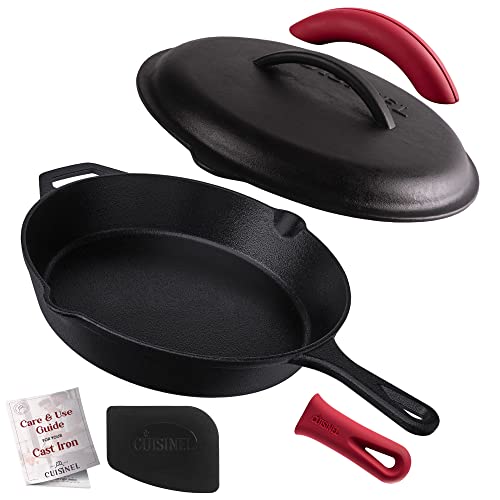
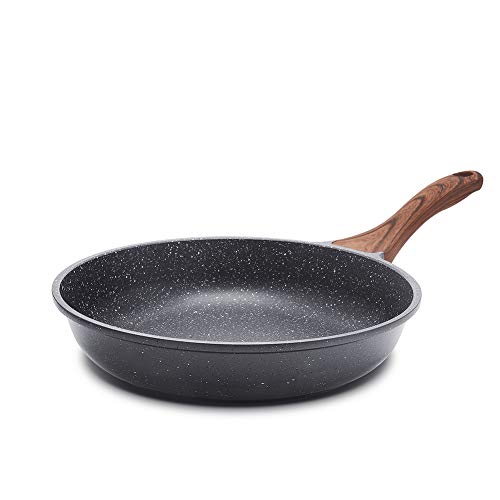
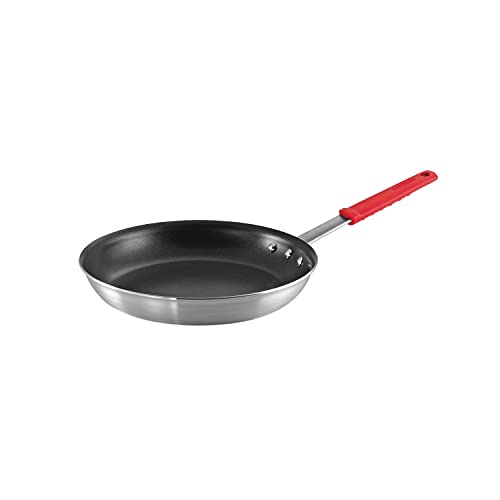
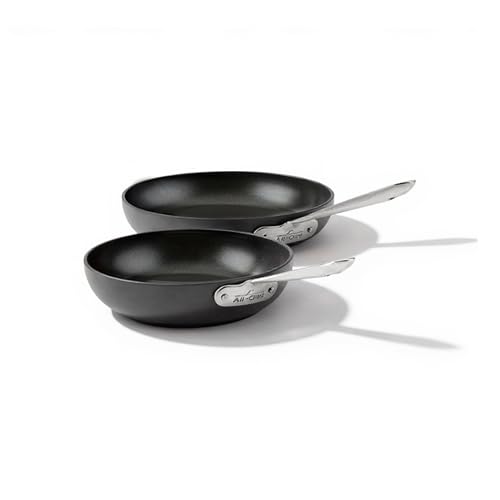
Wok: A wok is essential for achieving the high heat and fast cooking necessary for authentic Chicken Lo Mein. A large skillet can be used as an alternative, but it may not distribute heat as evenly.
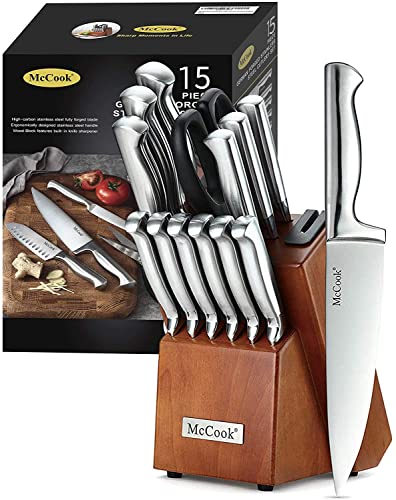
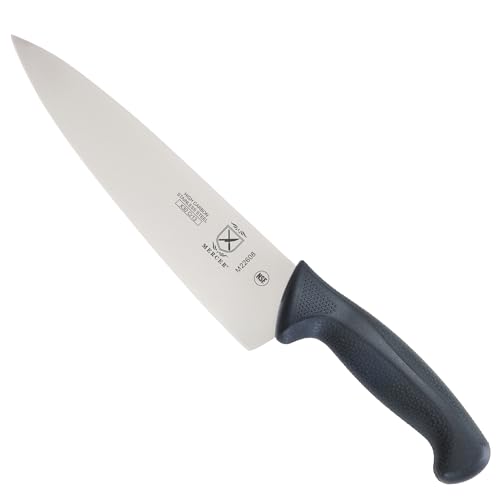
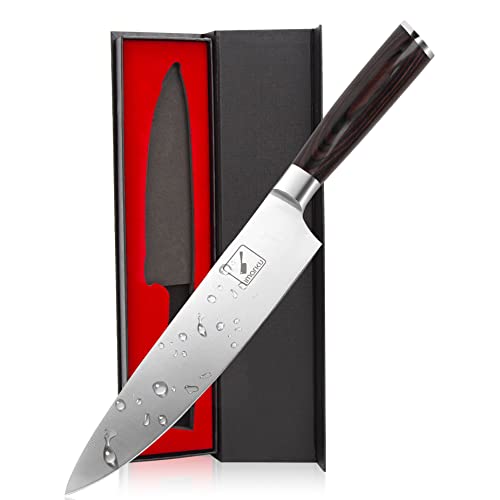
Sharp Chef’s Knife: Precision slicing of vegetables and chicken is crucial for uniform cooking. A serrated knife can work in a pinch, but it may not provide as clean cuts.
Colander: Draining noodles quickly is important to prevent them from becoming soggy. Ensure the colander has ample drainage holes and fits securely over a pot.



Ingredients
For the Base
|
|
| Amount | Ingredient | Notes |
|---|---|---|
| 8 ounces | lo mein noodles | cooked according to package instructions |
| 2 tablespoons | vegetable oil | for stir-frying |
Protein
| Amount | Ingredient | Notes |
|---|---|---|
| 1 pound | chicken breast | sliced thinly |
Vegetables
| Amount | Ingredient | Notes |
|---|---|---|
| 1 cup | bell pepper | sliced into strips |
| 1 cup | carrots | julienned |
| 1 cup | snap peas | trimmed |
For the Sauce
| Amount | Ingredient | Notes |
|---|---|---|
| 3 tablespoons | soy sauce | for depth of flavor |
| 2 tablespoons | oyster sauce | adds richness |
| 1 tablespoon | hoisin sauce | for sweetness |
Seasonings
| Amount | Ingredient | Notes |
|---|---|---|
| 1 teaspoon | ginger | minced |
| 2 cloves | garlic | minced |
| 1 teaspoon | sesame oil | for aroma |
| 1 pinch | black pepper | to taste |
Preparation Methods
Stir-Frying: A key technique in Asian cooking, stir-frying involves cooking ingredients quickly over high heat. This method locks in flavors and maintains the crispness of vegetables. Use a wok for the best results.
Julienning: This technique involves cutting vegetables into thin, matchstick-sized pieces. It ensures even cooking and a pleasant texture in the final dish. Practice makes perfect for uniform pieces.
Marinating: Marinating the chicken in a mixture of soy sauce and ginger before cooking enhances its flavor and tenderness. Allow at least 10 minutes for the marinade to work its magic.



Step 1: Prepare Ingredients
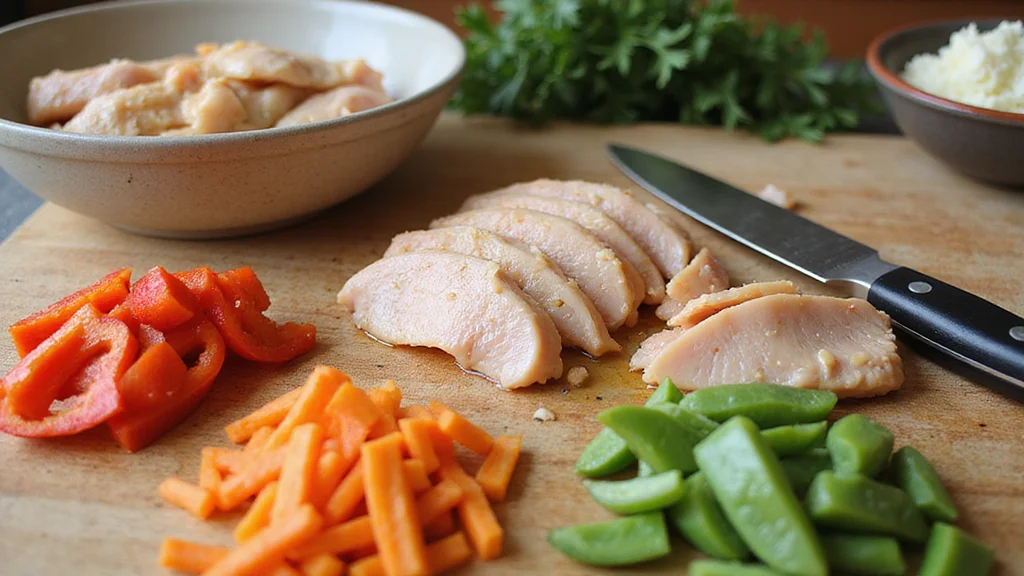
Gather all your ingredients and equipment.
Slice the chicken breast thinly and marinate with soy sauce and ginger for 10 minutes.
Julienne the carrots and slice the bell peppers into strips.
Trim the snap peas and set all vegetables aside.
Step 2: Cook Noodles

Bring a pot of water to a boil.
Add the lo mein noodles and cook according to package instructions.
Drain the noodles in a colander and rinse with cold water to stop the cooking.
Set the noodles aside for later use.


Step 3: Heat the Wok
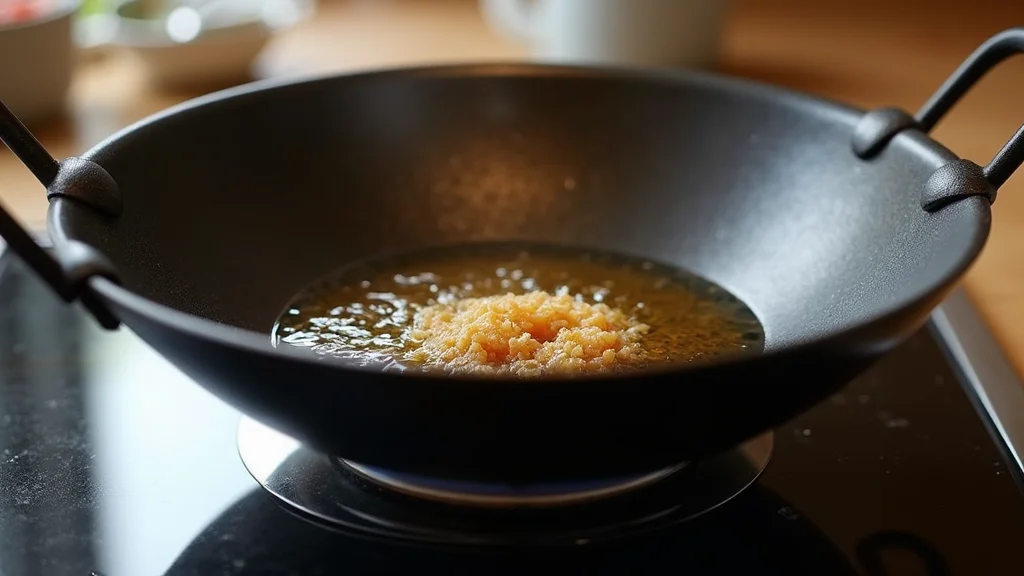
Place the wok over high heat and add 1 tablespoon of vegetable oil.
Swirl the oil to coat the bottom of the wok evenly.
Allow the oil to heat until it starts to shimmer.
This ensures the chicken will sear quickly and retain its juices.




Step 4: Cook the Chicken

Add the marinated chicken to the hot wok.
Stir-fry for 3-4 minutes until the chicken is cooked through and golden.
Remove the chicken from the wok and set aside.
This helps prevent overcooking while preparing the vegetables.



Step 5: Stir-Fry Vegetables
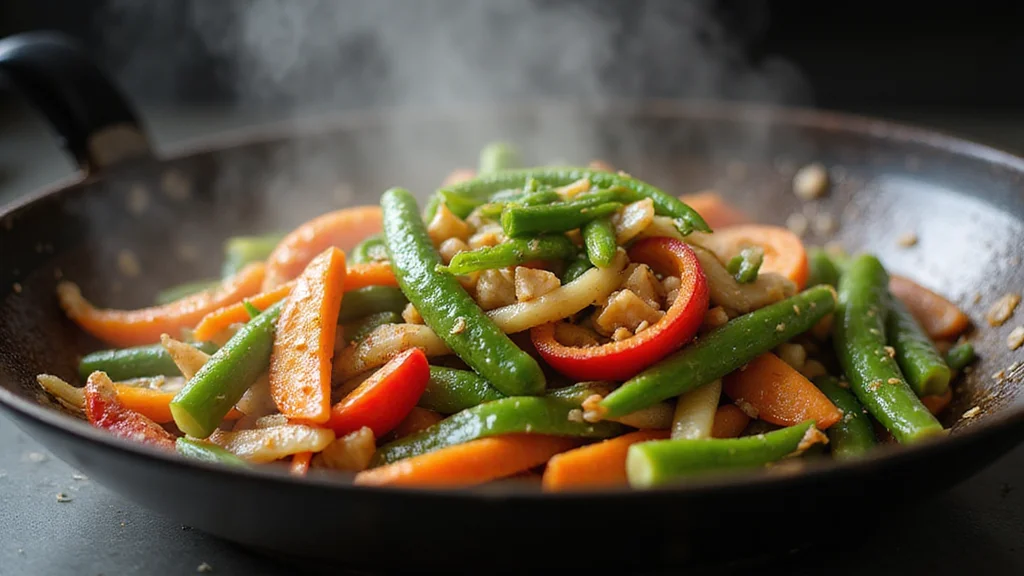
Add another tablespoon of oil to the wok.
Toss in the garlic and ginger, stir-frying until fragrant.
Add the carrots, bell peppers, and snap peas to the wok.
Stir-fry for 2-3 minutes until the vegetables are tender-crisp.




Step 6: Combine Noodles and Chicken
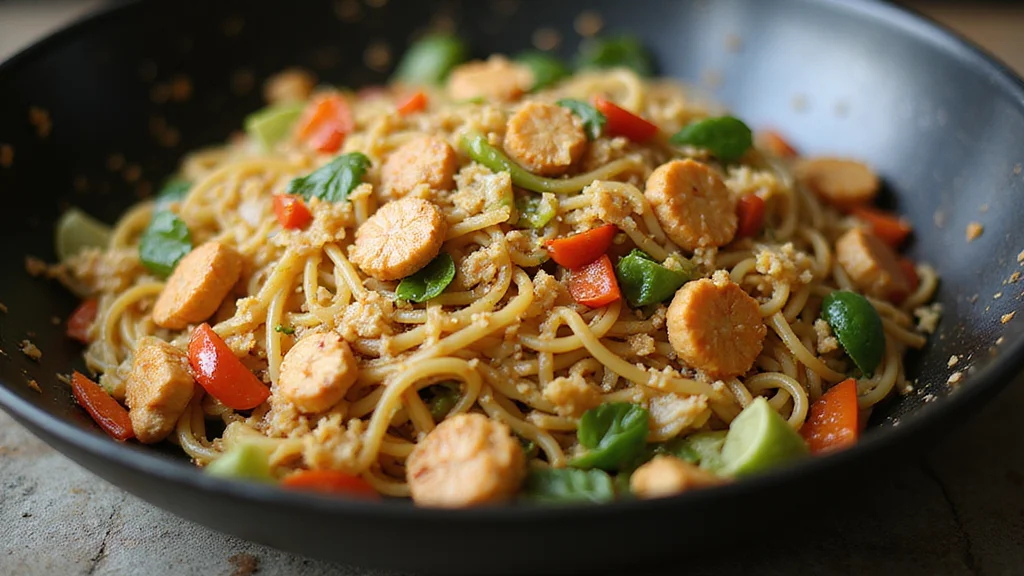
Return the cooked chicken to the wok with the vegetables.
Add the cooked noodles to the mixture.
Gently toss everything together to combine.
Ensure the noodles are evenly coated with the oil and juices.



Step 7: Add Sauce
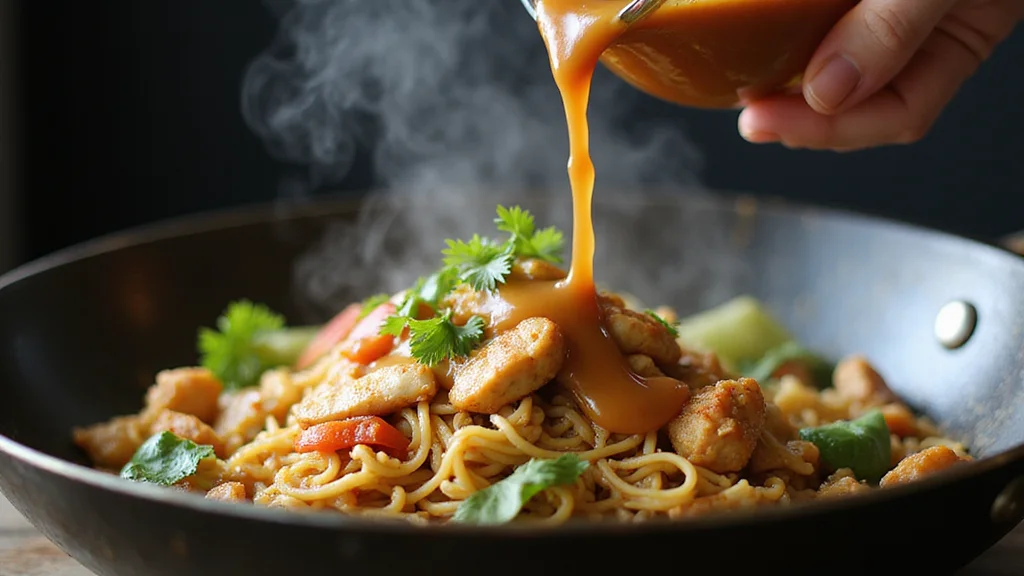
Pour the soy sauce, oyster sauce, and hoisin sauce over the noodle mixture.
Drizzle with sesame oil for added aroma.
Toss everything thoroughly to ensure the sauce coats all ingredients.
Adjust seasoning with black pepper to taste.


Step 8: Serve

Transfer the Chicken Lo Mein to serving plates.
Garnish with chopped green onions or sesame seeds if desired.
Serve hot with a side of soy sauce for additional flavor.
Enjoy your homemade takeout classic.



Critical Timing and Temperature Guide
Cooking Noodles: Cook noodles until just tender, typically 4-6 minutes, depending on the brand. Avoid overcooking to prevent a mushy texture.
Stir-Frying Chicken: Cook over high heat for 3-4 minutes until golden brown. Ensure chicken is fully cooked without drying out.
Sauce Addition: Add sauce quickly at high heat, tossing constantly to prevent burning and ensure even coating.





Pro Tips for Chicken Lo Mein
• Ingredient Selection: Choose fresh, high-quality chicken and crisp vegetables for the best flavor and texture.
• Preparation Secret: Marinate chicken briefly to infuse flavor without overwhelming the dish.
• Temperature Management: Maintain high heat during stir-frying to achieve the perfect sear and avoid steaming.
• Texture Enhancement: Use a quick rinse of cold water on noodles to stop cooking and maintain their bite.
• Flavor Layering: Combine soy sauce, oyster sauce, and hoisin sauce for a balanced, rich taste unique to this recipe.
• Make-Ahead Strategies: Cook and store noodles separately; combine with fresh vegetables and chicken when ready to serve.
• Restaurant-Quality Finishing Touches: Garnish with sesame seeds and green onions for an authentic touch.
• Equipment Optimization: If a wok is unavailable, use a wide, heavy-bottomed pan to distribute heat evenly.


Troubleshooting Common Issues
• Texture Too Soggy: Caused by overcooking noodles or vegetables. Recognize by a lack of bite and adjust cooking time next attempt.
• Flavors Unbalanced: Overuse of sauces can overpower. Taste as you go and adjust quantities gradually.
• Chicken Overcooked: Dry, tough chicken results from cooking too long. Use a meat thermometer to ensure the correct internal temperature.
• Vegetables Undercooked: Crisp vegetables should not be raw. Stir-fry until just tender for the perfect texture.
• Inconsistent Noodle Coating: Uneven sauce distribution can happen if not tossed thoroughly. Mix well to ensure even flavor distribution.
• Burnt Garlic: Happens quickly on high heat. Add garlic last when stir-frying vegetables to prevent bitterness.





Variations and Regional Differences
• Shanghai Style: Uses thicker noodles and includes bok choy for a heartier version.
• Szechuan Style: Adds a spicy kick with chili paste and incorporates Szechuan peppercorns for a numbing effect.
• Vegetarian Variation: Omits chicken, using tofu or mushrooms as a protein substitute for a plant-based option.
• American-Chinese Style: Often sweeter and includes additional vegetables like broccoli or baby corn for crunch.


Food Science Behind the Recipe
• Maillard Reaction: The browning of chicken during stir-frying enhances flavor and creates a complex taste profile.
• Starch Gelatinization: Occurs when noodles are cooked, giving them their characteristic texture and ability to absorb flavors.
• Emulsification: The combination of sauces creates a smooth, cohesive coating that clings to noodles and distributes flavor evenly.




Frequently Asked Questions
What's the most common mistake people make when preparing Chicken Lo Mein? Overcooking the noodles or chicken, which results in a mushy texture.
Can I make Chicken Lo Mein ahead of time? Yes, you can prepare the components separately and combine them just before serving.
What if I don't have a wok? A large, heavy-bottomed pan can work as an alternative for even heat distribution.
How can I add more spice to the dish? Incorporate chili oil or fresh chili peppers during stir-frying for an added kick.
Is there a gluten-free version of this recipe? Substitute regular noodles with gluten-free rice noodles and ensure sauces are gluten-free.
Can I use frozen vegetables? Fresh vegetables are recommended for the best texture, but frozen can be used if thawed and drained thoroughly.
What's the best way to store leftovers? Store in an airtight container in the refrigerator for up to three days, reheating in a wok or pan.
Serving and Presentation Guide
• Traditional Presentation: Serve in a large bowl with chopsticks, garnished with sesame seeds and green onions.
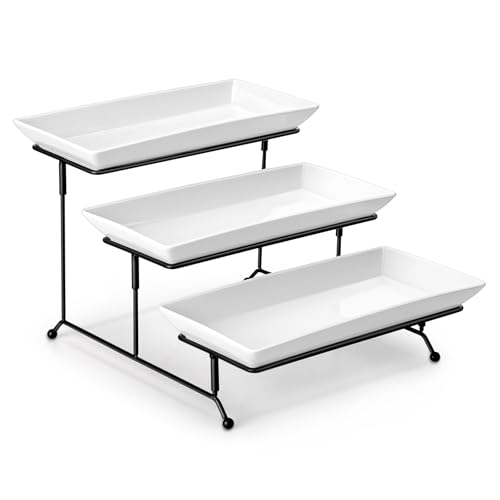
• Family-Style Presentation: Present on a large platter for everyone to serve themselves, emphasizing a communal dining experience.
• Modern Plating: Arrange noodles in a neat swirl, topped with chicken and vegetables for an elegant touch.
• Casual Setting: Serve in individual bowls for a cozy, relaxed dining atmosphere.


Conclusion
Chicken Lo Mein is a delicious and versatile dish that brings the flavors of Chinese takeout to your kitchen.
With its quick preparation and customizable ingredients, it's perfect for any occasion.
Try this recipe and enjoy a satisfying meal that will impress family and friends alike.