
Slow Cooker Recipes: Easy Meals, Less Effort!
Family-friendly dishes for busy people — quick prep, delicious results.
Grab yours for $4Southern Collard Greens are a testament to the rich culinary tradition of the American South.
Their smoky, tender, and flavorful profile makes them a standout side dish that’s both comforting and memorable.
I first experienced the magic of collard greens at a family reunion in Georgia, where the recipe was passed down through generations.
The harmonious blend of smoked meat and hearty greens creates a dish that is as soulful as it is satisfying.
Whether you’re preparing a holiday feast or a simple Sunday supper, Southern Collard Greens offer a taste of Southern hospitality with every bite.
The History and Cultural Significance
• Southern Collard Greens trace their origins to West Africa, where they were originally cultivated by enslaved Africans who brought their cooking traditions to America.
• The dish evolved over decades as enslaved people and their descendants incorporated local ingredients such as pork and seasoning, eventually becoming the beloved version we know today.
• In Southern culture, this dish traditionally appears at family gatherings and holiday meals, symbolizing prosperity and resilience.
• While many variations exist across different regions, the authentic version maintains a smoky flavor that sets it apart from imitations.


Recipe Overview
Nutritional Information (per serving)
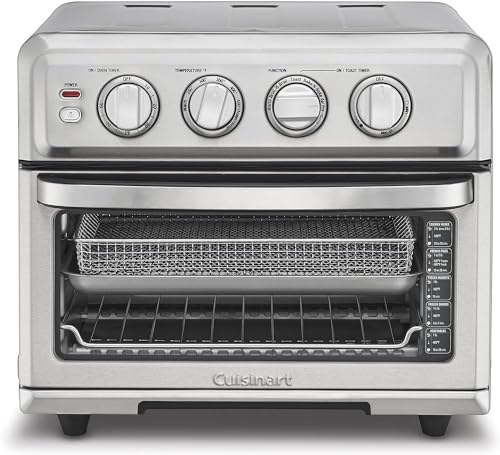
Essential Equipment Guide
Large Stockpot: A large stockpot is essential for cooking collard greens evenly and allowing them to simmer without overflowing. An alternative could be a Dutch oven, but ensure it has a heavy lid to trap steam.
Slotted Spoon: This tool is crucial for removing cooked greens without excess liquid. A regular spoon can work, but a slotted spoon helps drain the liquid, improving texture.
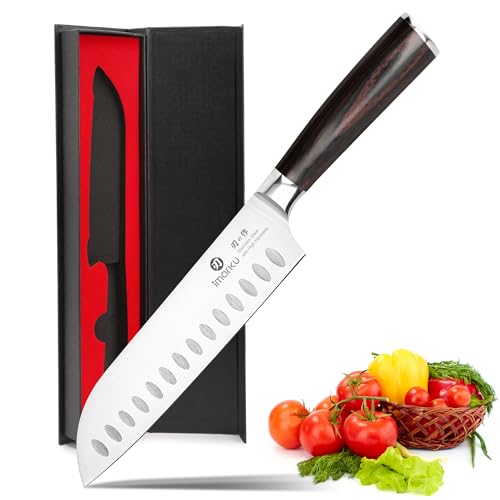
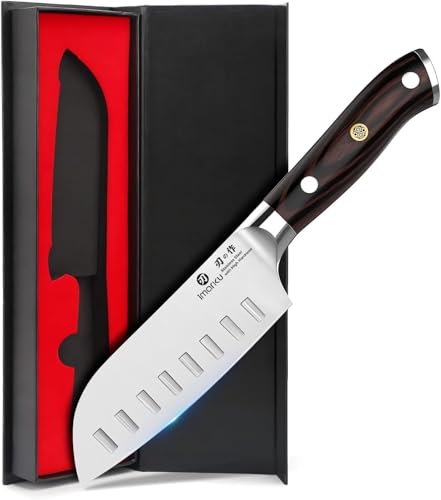
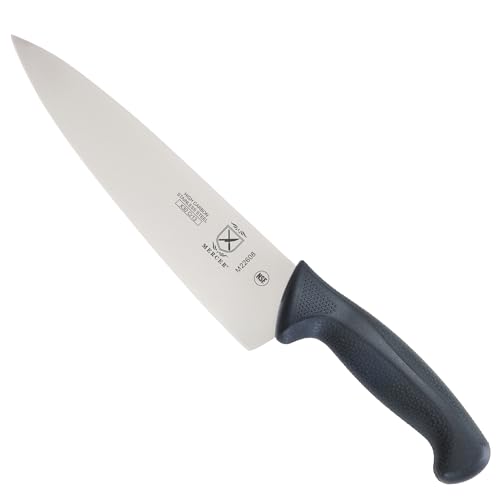
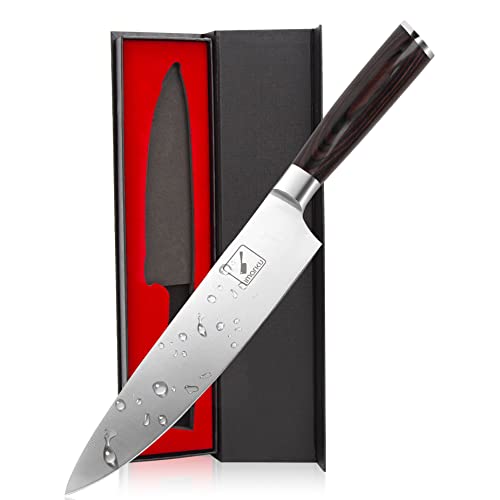
Sharp Knife: A sharp knife is important for cutting the collard greens into uniform strips, which ensures even cooking. A chef’s knife or a serrated knife can be used, depending on preference.



Ingredients
For the Base
|
|
| Amount | Ingredient | Notes |
|---|---|---|
| 2 tablespoons | olive oil | for sautéing |
| 1 large | onion | finely chopped |
| 3 cloves | garlic | minced |
Meat
| Amount | Ingredient | Notes |
|---|---|---|
| 1 pound | smoked ham hocks | adds smoky flavor |
Vegetables
| Amount | Ingredient | Notes |
|---|---|---|
| 2 pounds | collard greens | washed and sliced into strips |
Liquids
| Amount | Ingredient | Notes |
|---|---|---|
| 6 cups | chicken broth | for simmering |
Seasonings
| Amount | Ingredient | Notes |
|---|---|---|
| 1 teaspoon | salt | enhances flavor |
| 1 teaspoon | black pepper | adds heat |
| 1 tablespoon | apple cider vinegar | adds tanginess |
Preparation Methods
Cleaning Greens: Thoroughly cleaning collard greens is essential to remove dirt and grit. Fill a large bowl with water and submerge the greens, swishing them around. Repeat until the water runs clear.
Chiffonade Cutting: A technique for slicing greens into thin strips. Stack several leaves, roll them tightly, and slice across the roll to create thin ribbons.
Sautéing Aromatics: Sautéing onions and garlic in olive oil releases their flavors, creating a fragrant base for the dish. Use medium heat to avoid burning, stirring frequently.


Step 1: Prepare Ingredients
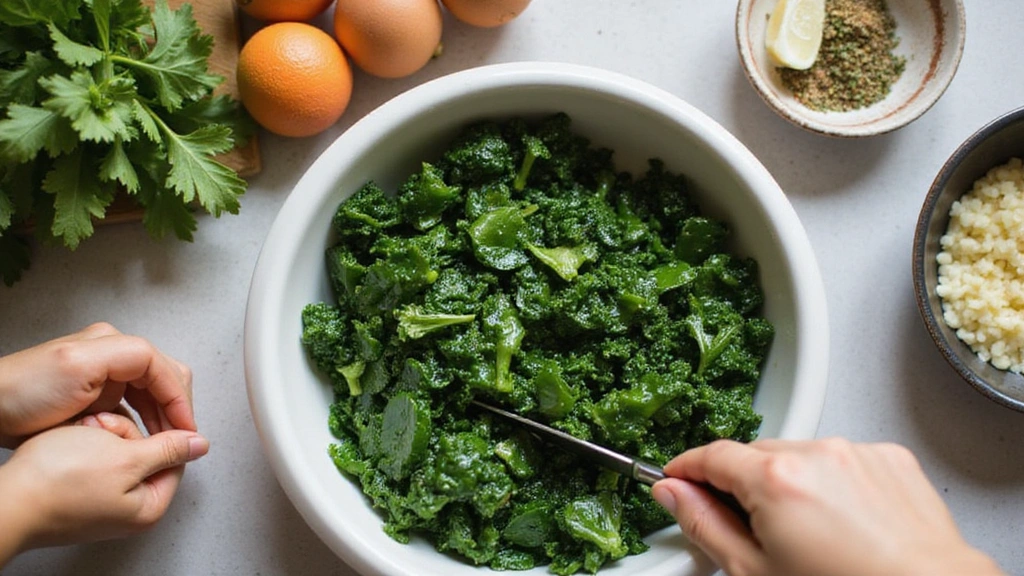
Wash and dry the collard greens thoroughly.
Chop the onion and mince the garlic.
Slice the collard greens into thin strips using the chiffonade technique.
Ensure all ingredients are measured and ready to use.
Step 2: Sauté Aromatics
Heat olive oil in a large stockpot over medium heat.
Add chopped onion and minced garlic to the pot.
Stir frequently, allowing the onions to soften and become translucent.
Avoid browning the garlic to prevent bitterness.



Step 3: Add Smoked Ham Hocks
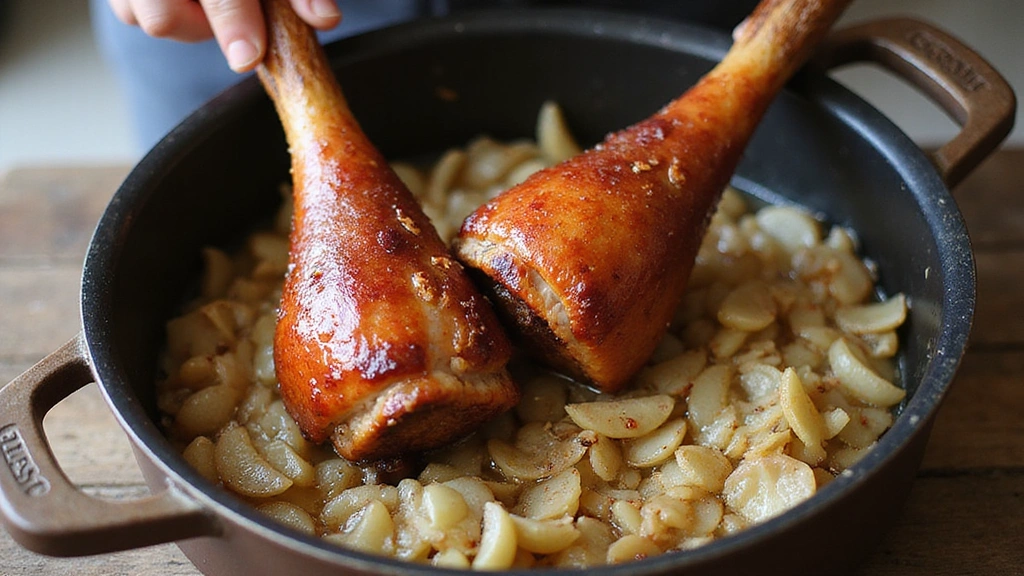
Place the smoked ham hocks into the pot with the sautéed aromatics.
Stir to coat the hocks with the onion and garlic mixture.
Allow the hocks to heat up slightly, releasing their smoky flavor.
Ensure the hocks are evenly distributed in the pot.





Step 4: Incorporate Collard Greens
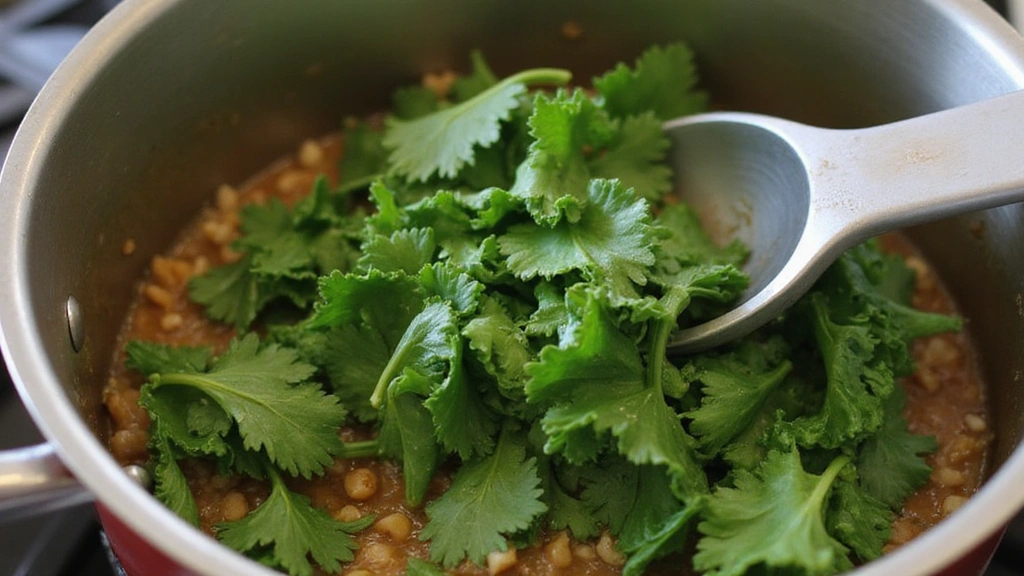
Add the sliced collard greens to the pot in batches.
Stir after each addition to wilt the greens slightly.
Continue adding greens until all are incorporated.
Ensure the greens are evenly mixed with the aromatics and hocks.


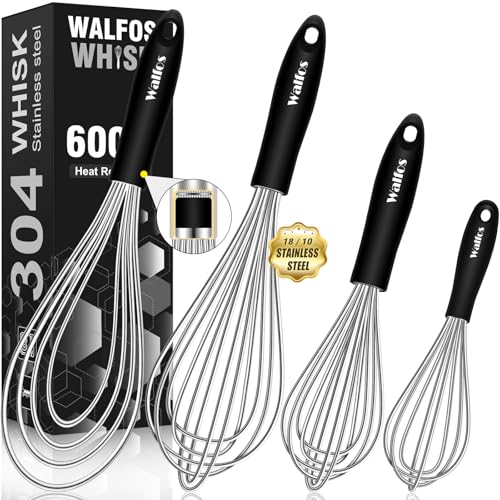
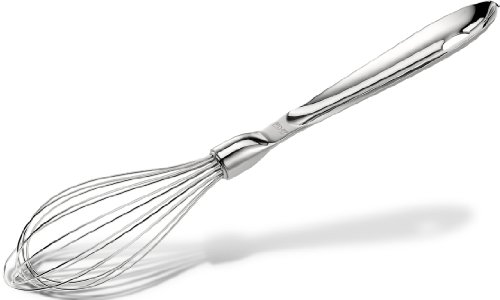
Step 5: Pour in Chicken Broth
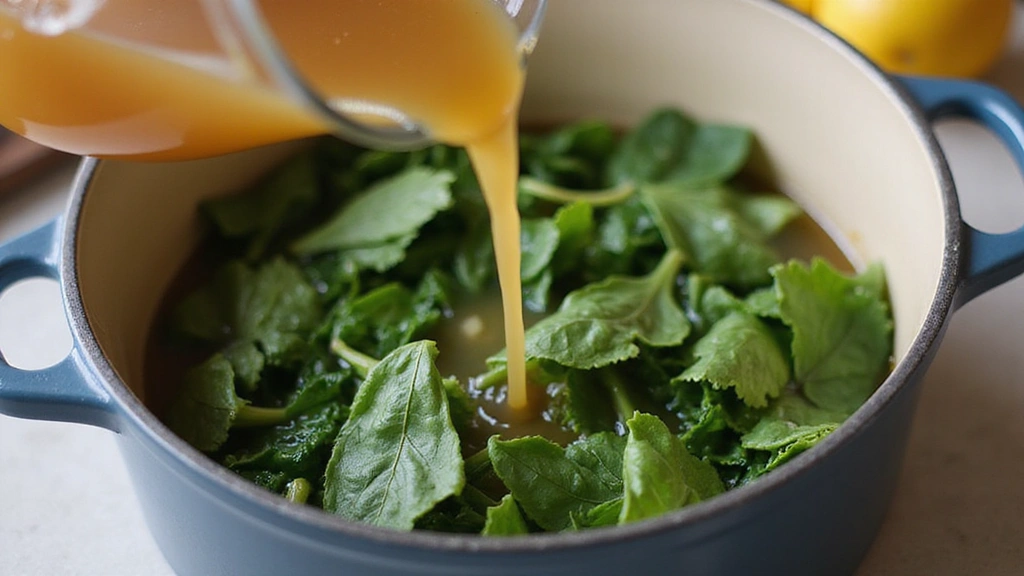
Slowly pour the chicken broth over the collard greens.
Stir to combine the broth with the greens and smoked hocks.
Ensure the broth covers the greens sufficiently.
Adjust the heat to bring the mixture to a gentle simmer.




Step 6: Season the Greens
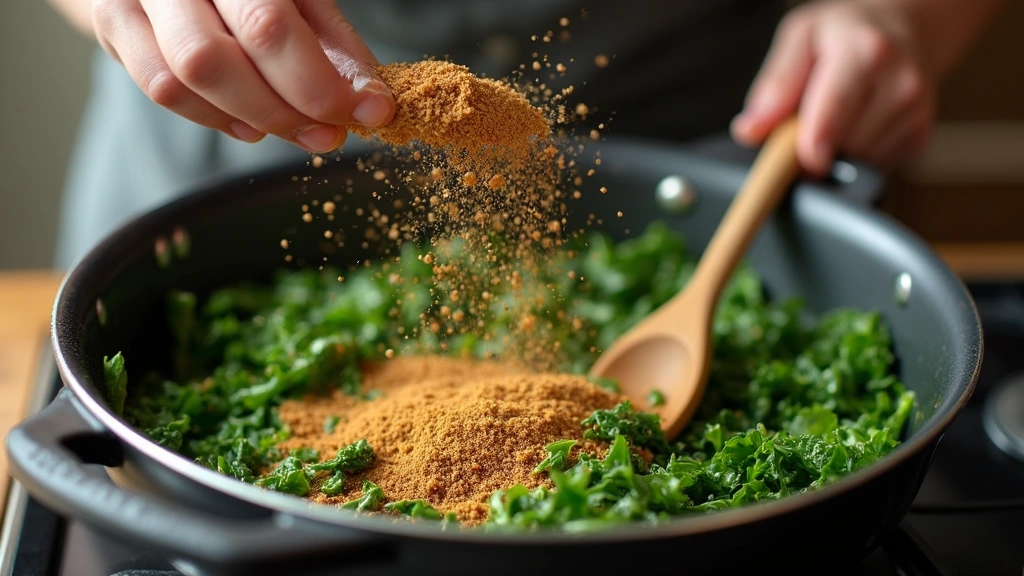
Sprinkle salt and black pepper over the simmering greens.
Add apple cider vinegar to enhance the flavor profile.
Stir well to distribute the seasonings evenly.
Taste and adjust seasoning if necessary.
Step 7: Simmer Until Tender
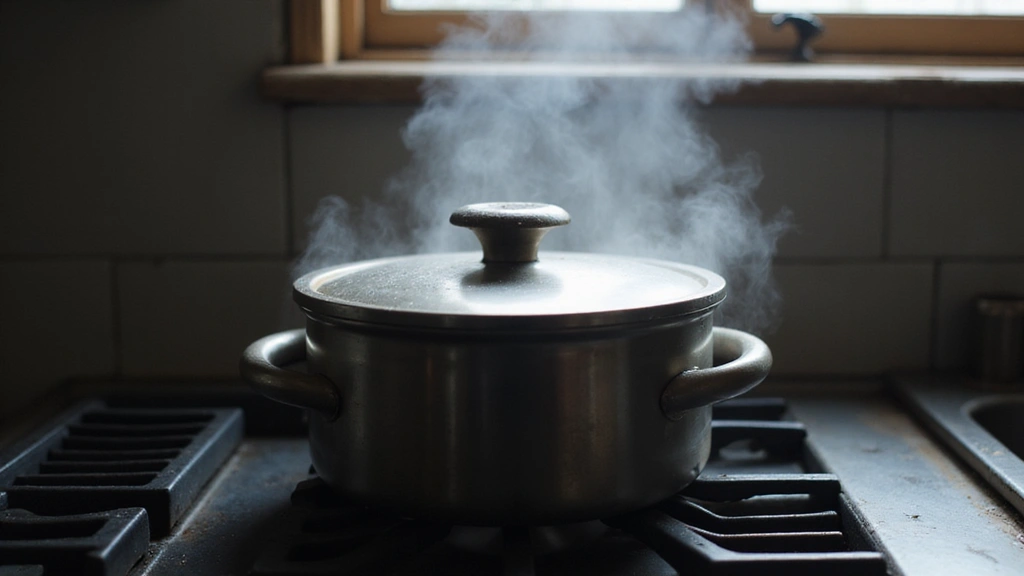
Cover the pot with a lid and lower the heat to maintain a gentle simmer.
Allow the greens to cook for approximately 90 minutes.
Check occasionally, ensuring the greens are tender and flavorful.
The smoked hocks should be falling off the bone.





Step 8: Final Adjustments and Serve
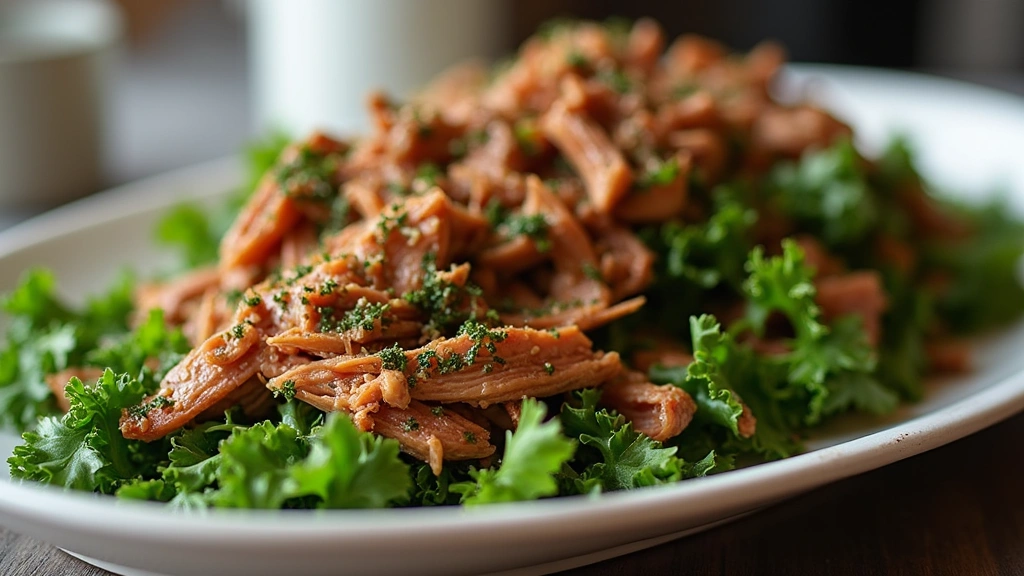
Remove the smoked hocks from the pot and shred the meat.
Return the shredded meat to the pot, stirring to combine.
Taste again, adjusting seasoning if needed.
Serve the collard greens hot, garnished with additional vinegar if desired.






Critical Timing and Temperature Guide
Sautéing Aromatics: Sauté onions and garlic for 3-5 minutes over medium heat until translucent. Avoid burning by stirring constantly and adjusting heat as needed.
Simmering Greens: Simmer the collard greens for 90 minutes at low heat. Visual indicators include tender greens and meat falling off the bone. Avoid boiling to prevent toughness.
Final Adjustments: After cooking, taste and adjust seasoning. Common mistakes include under-seasoning or over-cooking, which can be corrected by careful tasting and timing.
Pro Tips for Southern Collard Greens
• Ingredient Selection: Choose fresh, vibrant collard greens with no yellowing for the best flavor and texture.
• Preparation Secret: Soak greens in a vinegar-water solution to remove any residual bitterness without affecting flavor.
• Temperature Management: Keep a consistent low simmer to allow flavors to meld without breaking down the texture of the greens.
• Texture Enhancement: Shred smoked hocks finely before adding back to achieve a balanced texture throughout the dish.
• Flavor Layering: Use smoked meat to infuse a deep, rich flavor into the greens, complementing the earthy taste.
• Make-Ahead Strategies: Prepare and cook the greens a day in advance; they taste better as flavors develop over time. Store in the refrigerator and reheat gently.
• Restaurant-Quality Finishing Touches: A dash of hot sauce or additional apple cider vinegar before serving enhances the dish's complexity.
• Equipment Optimization: A heavy-bottomed pot ensures even heat distribution, preventing hot spots and burning.




Troubleshooting Common Issues
• Greens Too Bitter: This can occur if greens aren't soaked properly. Soak in a vinegar solution before cooking to reduce bitterness.
• Meat Not Tender: If the smoked hocks aren't tender, they may need more simmering time. Ensure they are fully submerged and increase simmer time.
• Flavors Too Mild: Under-seasoning can lead to blandness. Taste throughout cooking and adjust salt, pepper, and vinegar to enhance flavors.
• Greens Too Mushy: Overcooking can cause this. Monitor simmering closely and remove from heat when greens are just tender.
• Liquid Too Watery: If the broth is too thin, remove the lid to allow excess liquid to evaporate, concentrating flavors.
Variations and Regional Differences
• Carolina Style: This version often includes the addition of sugar or molasses for a slightly sweet contrast to the smoky flavors.
• Georgia Variation: Incorporates hot peppers or a dash of hot sauce for a spicier profile, reflecting the region's love for heat.
• Vegan Version: Omits meat and uses smoked paprika or liquid smoke to replicate the smoky flavor without animal products.
• Creole Influence: Adds tomatoes and Creole seasoning, infusing the dish with a rich, spicy complexity characteristic of Louisiana cuisine.
Food Science Behind the Recipe
• Browning Reactions: Sautéing onions and garlic initiates the Maillard reaction, enhancing flavor complexity with caramelized notes.
• Collagen Breakdown: Slow simmering breaks down collagen in smoked hocks, creating a rich texture and releasing gelatin that thickens the broth.
• Acid-Base Balance: Adding vinegar balances the alkaline nature of collard greens, enhancing flavor and tenderness.




Frequently Asked Questions
What's the most common mistake people make when preparing Southern Collard Greens? The most common mistake is not cooking them long enough, which prevents the flavors from fully developing and the greens from becoming tender.
Can I use a different type of greens instead of collard greens? Yes, kale or mustard greens can be used, but they have different textures and flavors that will alter the dish slightly.
How can I make this dish vegetarian? Replace smoked meat with smoked paprika or liquid smoke for a similar flavor profile without using meat.
Is it necessary to use smoked ham hocks? While traditional, you can substitute with smoked turkey legs or omit for a vegetarian version.
How do I store leftovers? Store in an airtight container in the refrigerator for up to 3 days. Reheat gently on the stove.
Can I freeze cooked collard greens? Yes, they freeze well. Allow to cool completely before transferring to a freezer-safe container.
Why is vinegar added to the greens? Vinegar helps balance flavors and tenderize the greens, adding a tangy note that complements the dish.
Serving and Presentation Guide
• Traditional Presentation: Serve in a large, shallow serving dish, highlighting the vibrant green color and tender meat pieces.
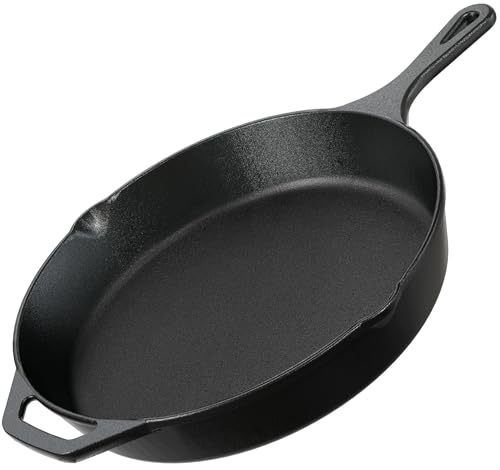
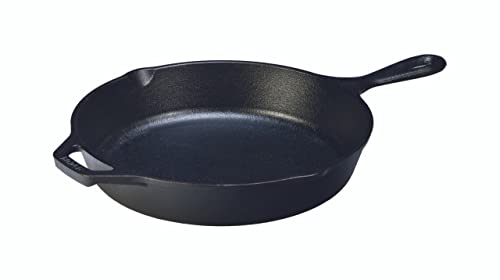
• Rustic Style: Use a cast-iron skillet for a rustic and authentic presentation, keeping the dish warm longer.
• Family-Style: Present in a large bowl with a ladle for guests to serve themselves, encouraging communal dining.
• Garnished Elegance: Top with a sprinkle of crushed red pepper flakes or a dash of apple cider vinegar for a visually appealing finish.




Conclusion
Southern Collard Greens are a timeless dish that embodies the heart and soul of Southern cooking.
With their smoky, tender, and deeply flavorful profile, they are sure to become a staple in your culinary repertoire.
I hope this recipe inspires you to bring a taste of the South to your table.
Happy cooking!