
Slow Cooker Recipes: Easy Meals, Less Effort!
Family-friendly dishes for busy people — quick prep, delicious results.
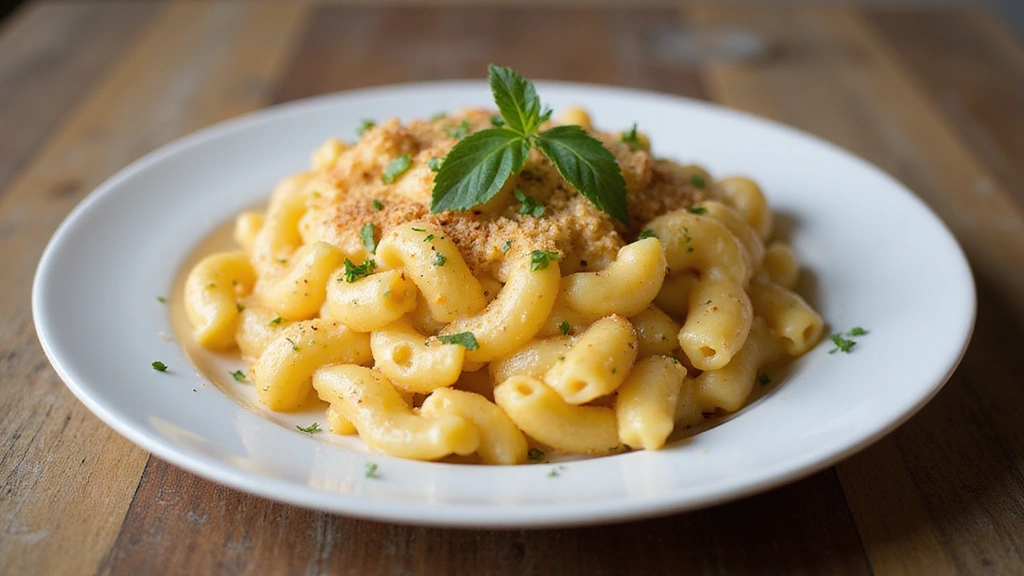
Grab yours for $4The ultra creamy mac and cheese is a dish that embodies pure comfort and indulgence.
Its rich, silky texture paired with the sharpness of cheese makes for an unforgettable experience.
I first encountered this luscious version during a chilly autumn evening, where it warmed both the body and soul.
Whether it’s a cozy family dinner or a festive gathering, this recipe will surely impress your guests.
This mac and cheese is not just about nostalgia; it’s a modern take on a classic favorite.
Prepare to dive into a bowl of creamy goodness that will leave you craving for more.
The History and Cultural Significance
• Ultra Creamy Mac traces its origins to 18th-century Italy, where it was originally created by local chefs refining pasta and cheese dishes.
• The dish evolved over decades as new cheese varieties and creamier sauces were introduced, eventually becoming the beloved version we know today.
• In American culture, this dish traditionally appears at family gatherings and holiday celebrations, symbolizing warmth and togetherness.
• While many variations exist across different regions, the authentic version maintains a rich, creamy sauce that sets it apart from imitations.


Recipe Overview
Nutritional Information (per serving)
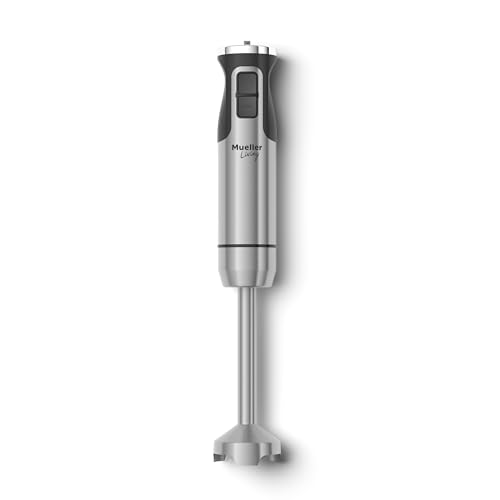
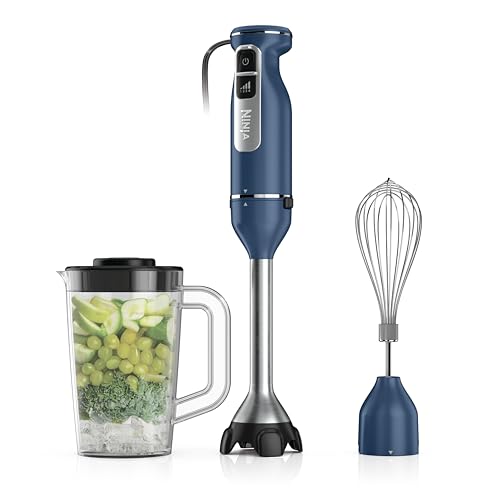
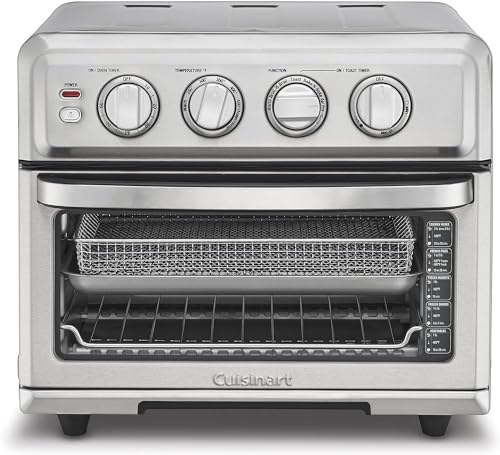
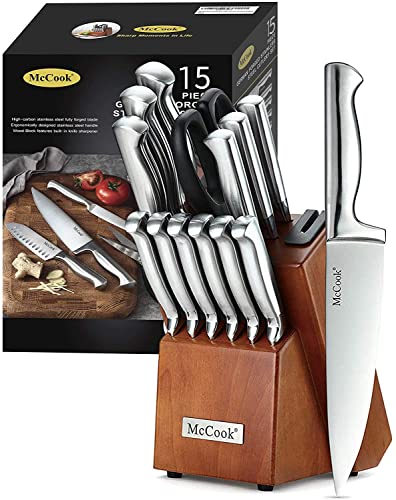
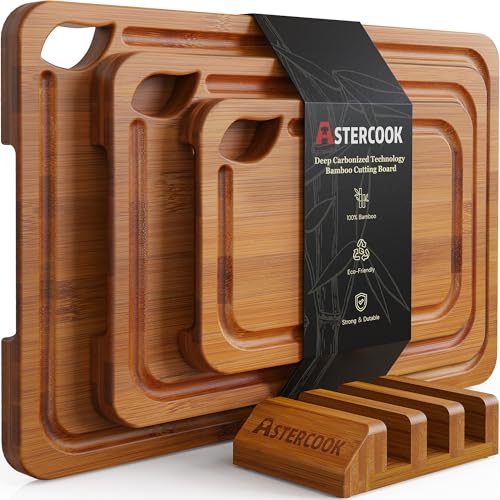
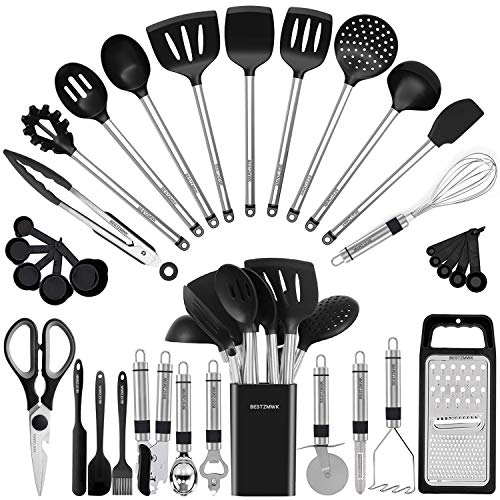
Essential Equipment Guide
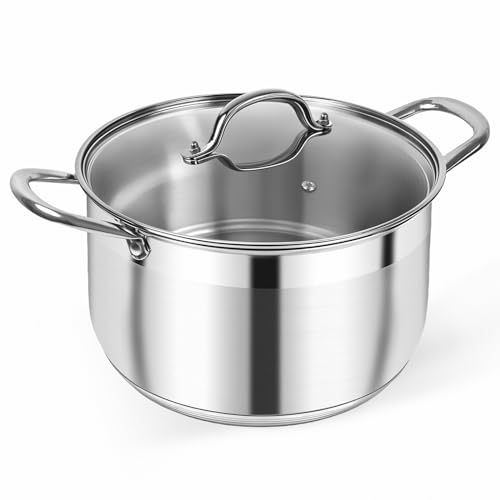
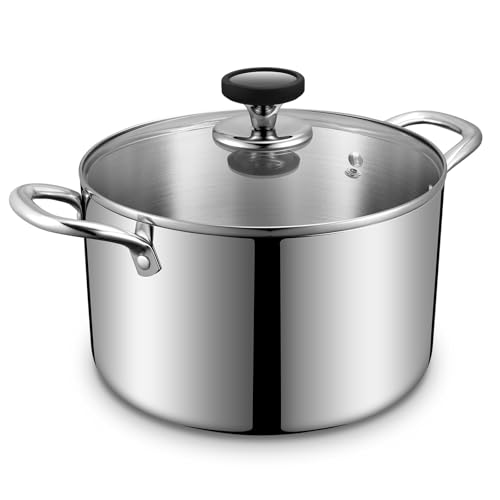
Large Saucepan: A large saucepan is crucial for preparing the cheese sauce evenly without burning. A thick-bottomed option is best to distribute heat evenly. Alternatives include a deep skillet.
Whisk: A whisk is essential for blending the cheese with the cream smoothly, preventing clumps. Look for one with a comfortable grip and stainless steel wires. A wooden spoon can be a substitute.
Baking Dish: For baking the mac and cheese, a ceramic or glass baking dish helps ensure even cooking. Choose one that’s both oven and microwave safe for versatility. A cast-iron skillet could also work.


Ingredients
For the Pasta
|
|
| Amount | Ingredient | Notes |
|---|---|---|
| 350 grams | elbow macaroni | cooked al dente |
For the Sauce
| Amount | Ingredient | Notes |
|---|---|---|
| 4 tablespoons | unsalted butter | adds richness |
| 4 tablespoons | all-purpose flour | for thickening |
| 2 cups | whole milk | provides creaminess |
| 1 cup | heavy cream | for extra richness |
| 2 cups | sharp cheddar cheese | grated |
| 1 cup | Gruyère cheese | adds depth of flavor |
Seasonings
| Amount | Ingredient | Notes |
|---|---|---|
| 1 teaspoon | salt | enhances flavor |
| 1/2 teaspoon | black pepper | for mild spice |
| 1/4 teaspoon | paprika | adds color and warmth |
Preparation Methods
Roux Making: Roux is a mixture of flour and fat cooked together, used as a thickening agent for the sauce. It's crucial to cook the roux to a pale golden color to ensure the sauce is smooth and not floury. Stir constantly and watch for the nutty aroma.
Cheese Melting: Gradually adding cheese to a warm sauce prevents clumping and ensures a smooth texture. Keep the heat low and stir continuously. If the sauce cools too much, it may become stringy.
Pasta Cooking: Cook the pasta just until al dente, as it will continue to cook during baking. This prevents it from becoming mushy. Use plenty of salted water for best flavor.



Step 1: Prepare Ingredients
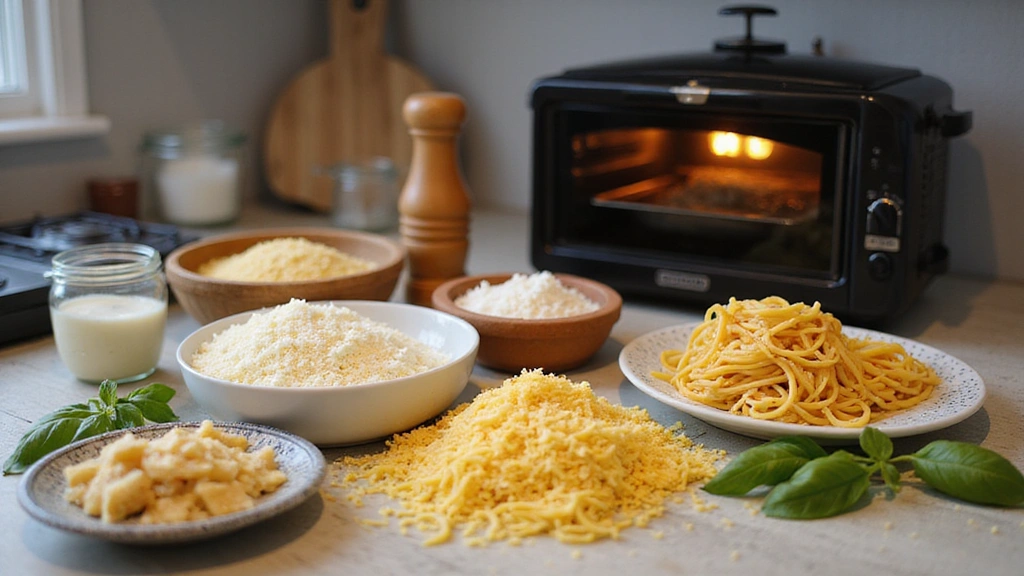
Gather all ingredients and equipment.
Ensure cheese is grated and pasta is cooked al dente.
Preheat the oven to 350°F (175°C).
This will streamline the cooking process.
Step 2: Make the Roux

Melt butter in a large saucepan over medium heat.
Add flour and whisk continuously for about 2 minutes.
Look for a pale golden color and a nutty aroma.
This forms the base of your sauce.




Step 3: Prepare the Sauce

Slowly pour in milk and cream, whisking constantly to prevent lumps.
Bring to a gentle simmer, allowing the mixture to thicken.
Look for a creamy, smooth texture.
This forms the base for adding cheese.



Step 4: Add Cheese to Sauce
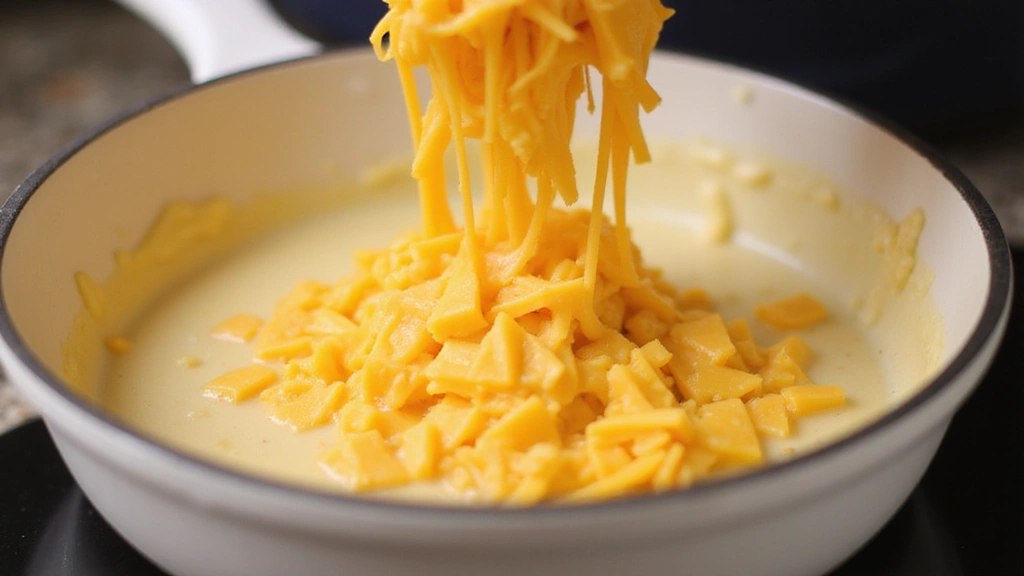
Reduce heat to low and gradually add cheddar and Gruyère cheese.
Stir constantly until the cheese is fully melted and the sauce is smooth.
Ensure the sauce is thick and creamy.
This step builds the rich flavor profile.



Step 5: Season the Sauce
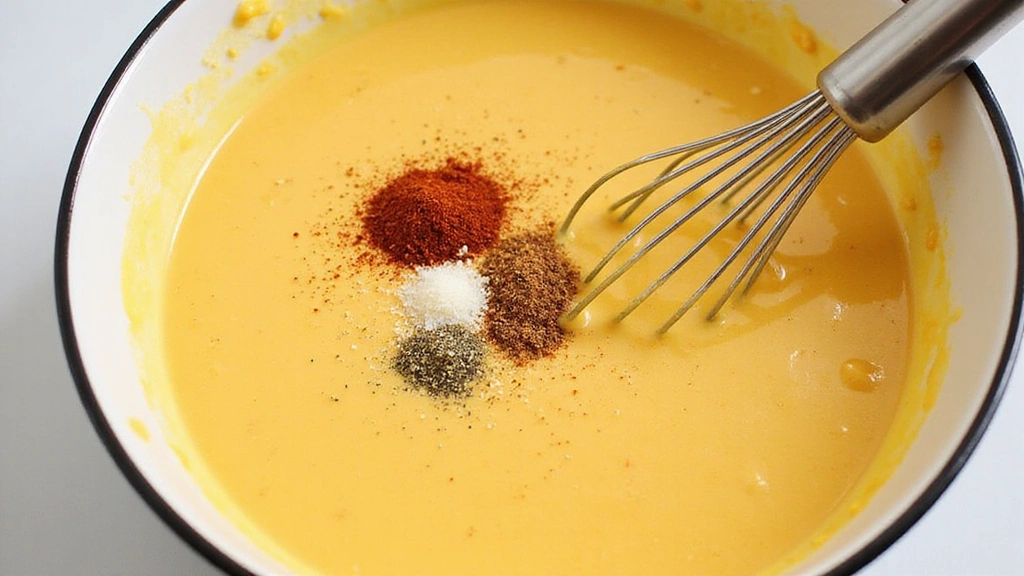
Add salt, pepper, and paprika to the cheese sauce.
Stir well to incorporate the seasonings evenly.
Taste and adjust seasoning as needed.
This enhances the overall flavor.
Step 6: Combine Pasta and Sauce
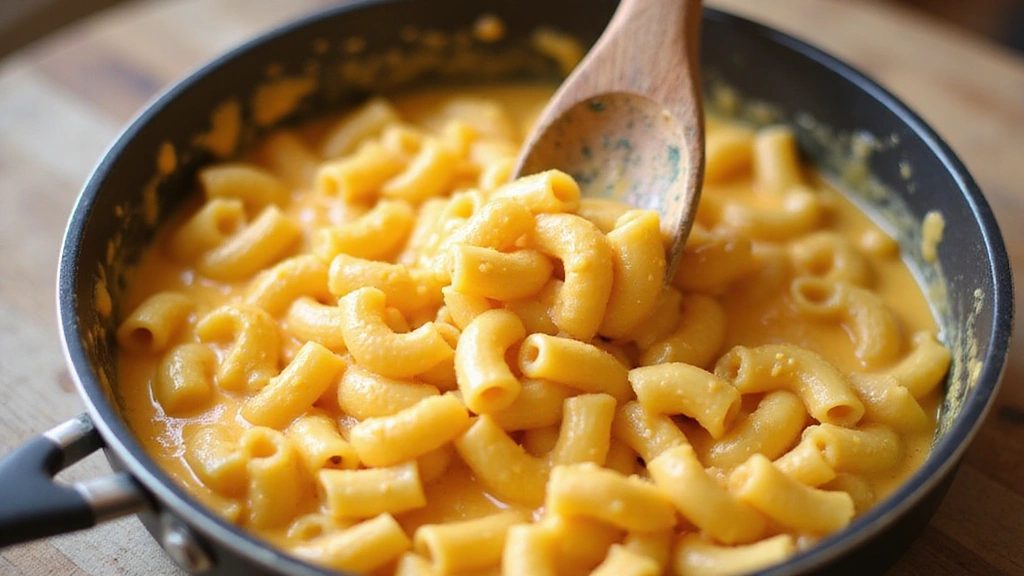
Add the cooked macaroni to the cheese sauce.
Stir gently to coat the pasta evenly.
Ensure every piece is covered in the rich sauce.
This combines the elements into one dish.


Step 7: Transfer to Baking Dish

Pour the mac and cheese mixture into a greased baking dish.
Spread it evenly with a spatula.
Ensure an even surface for consistent baking.
This prepares the dish for baking.


Step 8: Bake the Mac and Cheese

Place the baking dish in the preheated oven.
Bake for 20-25 minutes until bubbly and golden on top.
Look for a slightly crispy top layer.
This step completes the cooking process.


Critical Timing and Temperature Guide
Roux Preparation: Cook the roux for precisely 2 minutes on medium heat until pale golden. Avoid browning too much, which can alter flavor.
Sauce Simmering: Bring the sauce to a gentle simmer for about 5 minutes until it thickens. Do not let it boil, which can cause separation.
Baking: Bake at 350°F (175°C) for 20-25 minutes. Look for bubbling edges and a golden top. Overbaking can dry it out.


Pro Tips for Ultra Creamy Mac
• Ingredient Selection: Use high-quality cheddar and Gruyère for the best flavor. Cheeses with good meltability ensure a silky sauce.
• Preparation Secret: Use a combination of milk and cream for the perfect balance of creaminess and smoothness.
• Temperature Management: Keep the cheese sauce over low heat to prevent the cheese from becoming gritty.
• Texture Enhancement: Stir pasta gently into the sauce to avoid breaking the macaroni and maintain its shape.
• Flavor Layering: Add a pinch of nutmeg to the sauce for a subtle depth that complements the cheese.
• Make-Ahead Strategies: Prepare the cheese sauce a day in advance and store it in the fridge. Reheat gently before combining with pasta.
• Restaurant-Quality Finishing Touches: Broil for an additional 2 minutes post-baking for a crispy, golden top.
• Equipment Optimization: A good quality non-stick saucepan will prevent the cheese from sticking and burning.



Troubleshooting Common Issues
• Sauce Too Thick: This can occur if too much flour is used. Thin it with a little milk and whisk until smooth.
• Cheese Clumps: Caused by high heat or adding cheese too quickly. Remove from heat and whisk vigorously to smooth out.
• Pasta Overcooked: This happens if pasta is boiled too long. Cook just until al dente and rinse under cold water to stop cooking.
• Sauce Too Runny: Occurs if not enough roux is made. Simmer longer to reduce, or add a slurry of flour and water.
• Flavors Unbalanced: If too salty, add a splash of cream or a bit of sugar to balance it out.
• Top Not Crispy: Broil for an extra 2 minutes, watching closely to avoid burning.


Variations and Regional Differences
• Southern Style: Often includes a breadcrumb topping and uses evaporated milk for a denser texture.
• French Style: Incorporates béchamel as a base with a mix of Gruyère and Comté cheeses for a more refined flavor.
• Italian Style: Features a blend of mozzarella and Parmesan, sometimes incorporating pancetta or prosciutto for added flavor.
• Vegan Variation: Uses cashew cream and nutritional yeast as substitutes for dairy, offering a creamy texture with a nutty flavor.




Food Science Behind the Recipe
• Emulsification: The process of combining fat and water-based ingredients with cheese to create a stable, creamy sauce.
• Gelatinization: The thickening of the sauce occurs when starch molecules in flour absorb liquid and swell.
• Maillard Reaction: The browning of the top layer during baking, which develops complex flavors and a crispy texture.
Frequently Asked Questions
What's the most common mistake people make when preparing Ultra Creamy Mac and Cheese? The most common mistake is overheating the cheese sauce, which can cause the cheese to separate and become grainy.
Can I use pre-shredded cheese? While convenient, pre-shredded cheese often contains anti-caking agents that hinder melting. It's best to grate your own cheese.
How can I make the dish healthier? Substitute whole milk with low-fat milk and reduce the amount of cheese slightly. Use whole wheat pasta for added fiber.
Can this dish be frozen? Yes, but the texture may change slightly upon reheating. Freeze before baking and reheat in the oven until warmed through.
What can I use instead of Gruyère? Swiss cheese or fontina are good substitutes if Gruyère is unavailable.
How do I prevent the pasta from becoming mushy? Undercook the pasta slightly before combining it with the sauce, as it will continue cooking during baking.
Can I add meat to this dish? Absolutely! Cooked bacon, ham, or chicken make great additions for extra protein and flavor.
Serving and Presentation Guide
• Traditional Presentation: Serve directly in the baking dish, allowing guests to scoop their portions.
• Individual Servings: Portion into ramekins before baking for a personalized touch.
• Garnished Elegance: Top with fresh herbs like parsley or chives for a pop of color and freshness.
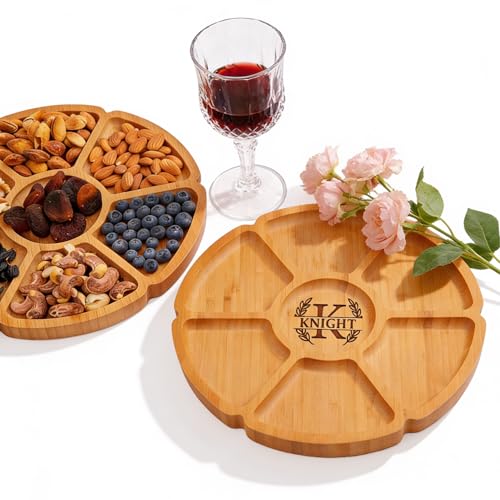
• Rustic Style: Serve on a wooden board with a side of crusty bread for a homely feel.



Conclusion
Preparing this ultra creamy mac and cheese will reward you with a dish that's both comforting and luxurious.
Its rich flavors and silky texture make every bite a delightful experience.
Whether for a weeknight dinner or a special occasion, this recipe is sure to impress.
So gather your ingredients, follow these steps, and enjoy the ultimate comfort food.