
Slow Cooker Recipes: Easy Meals, Less Effort!
Family-friendly dishes for busy people — quick prep, delicious results.
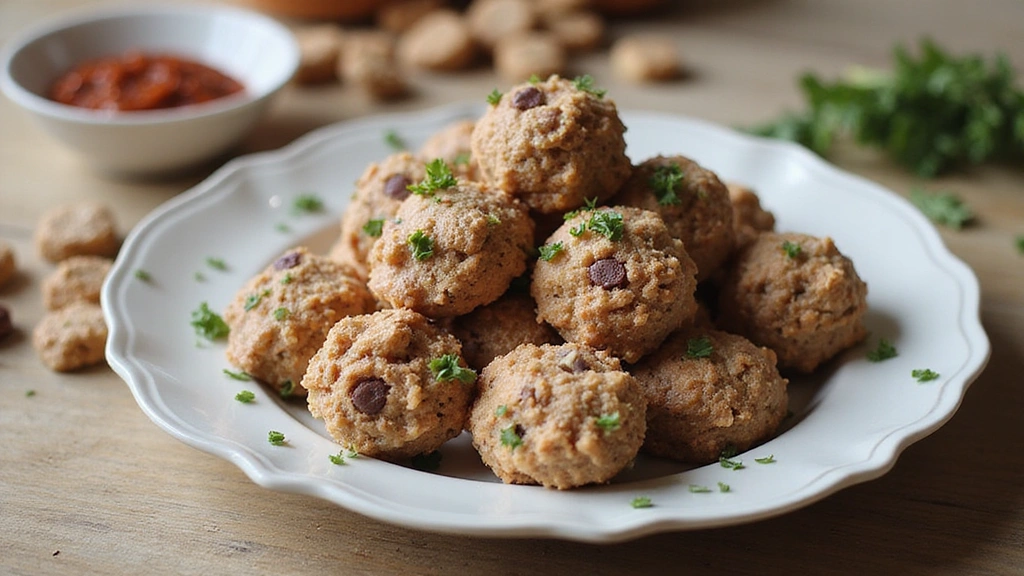
Grab yours for $4There’s something utterly nostalgic about sneaking a taste of raw cookie dough while baking cookies.
The sweet, buttery flavor combined with the texture of chocolate chips is a childhood memory many cherish.
However, traditional raw cookie dough comes with risks, which makes this safe-to-eat version a delight for everyone.
By using heat-treated flour and no eggs, this edible cookie dough recipe is both safe and irresistible.
Whether you’re craving a sweet treat or looking to impress guests with a unique dessert, this recipe is your go-to.
Get ready to indulge in a comforting, guilt-free experience.
The History and Cultural Significance
• Edible Cookie Dough traces its origins to the United States in the late 20th century, where it was originally created by home bakers experimenting with safe-to-eat treats.
• The dish evolved over decades as food safety awareness increased, leading to the development of heat-treated flour and egg-free recipes.
• In American culture, this dish is often associated with family gatherings and casual celebrations, symbolizing indulgence and nostalgia.
• While many variations exist across different regions, the authentic version maintains a rich, buttery flavor that sets it apart from imitations.




Recipe Overview
Nutritional Information (per serving)
Essential Equipment Guide
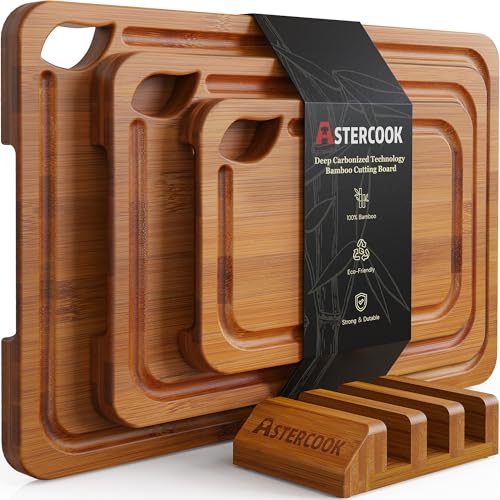
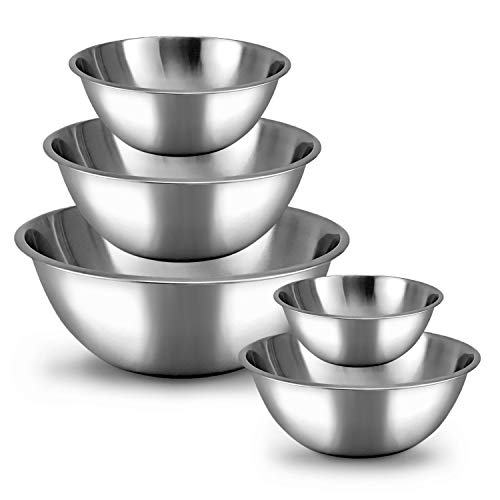
Mixing Bowl: A sturdy mixing bowl is essential for combining ingredients evenly. Opt for a bowl with a non-slip base to avoid spills. An alternative could be a large pot, but the depth might make mixing challenging.
Electric Mixer: Using an electric mixer ensures a smooth and even blend of ingredients, which can be difficult to achieve by hand. A stand mixer can be used for larger batches, but a handheld mixer works well for this recipe’s quantities.
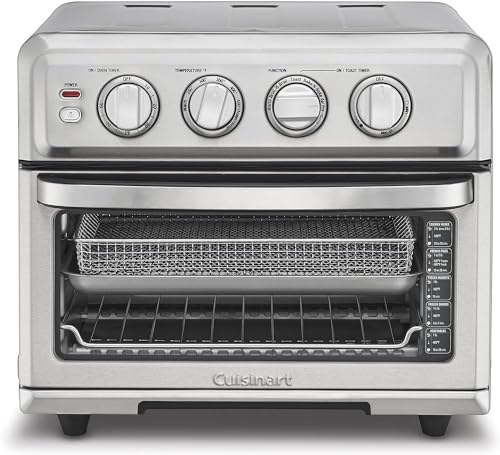
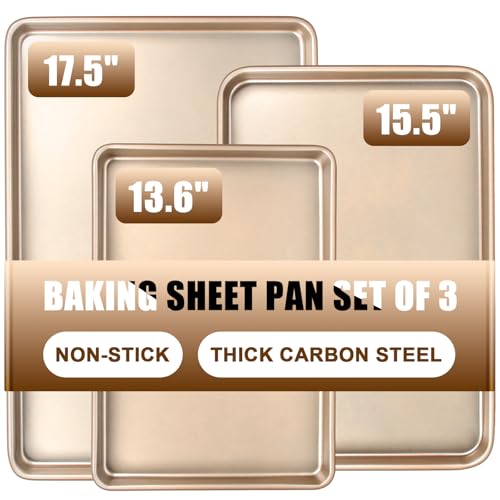
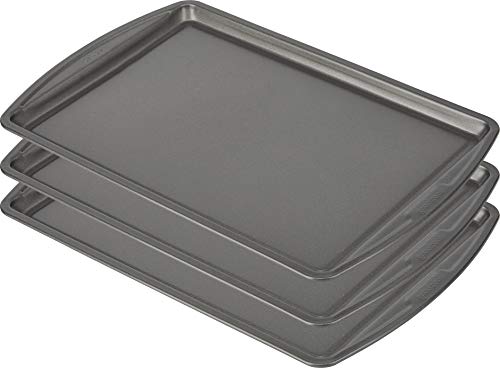
Baking Sheet: A baking sheet is needed for heat-treating flour. Ensure it has a rim to contain the flour. Alternatives include a cake pan or a casserole dish, as long as they are oven-safe.



Ingredients
For the Base
|
|
| Amount | Ingredient | Notes |
|---|---|---|
| 1 cup | all-purpose flour | heat-treated to ensure safety |
| 1 cup | unsalted butter | softened, adds creaminess |
| 1 cup | brown sugar | packed, adds depth of flavor |
| 1/4 cup | granulated sugar | for sweetness |
| 1 teaspoon | vanilla extract | enhances flavor |
| 1/2 teaspoon | salt | balances sweetness |
Add-ins
| Amount | Ingredient | Notes |
|---|---|---|
| 1 cup | chocolate chips | classic addition, can be varied |
Preparation Methods
Heat-Treating Flour: This process involves baking the flour at 350°F for 5 minutes to kill any potential bacteria. This step is crucial for making the dough safe to eat. Spread the flour evenly on a baking sheet to ensure even heating.
Creaming Method: Creaming involves beating the butter and sugars together until light and fluffy. This process helps to incorporate air, giving the dough its light texture. Use medium speed on an electric mixer for best results.
Fold in Add-ins: Gently folding in the chocolate chips ensures they are evenly distributed without deflating the mixture. Use a spatula to lift and turn the dough over the chips for even mixing.


Step 1: Heat-Treat Flour

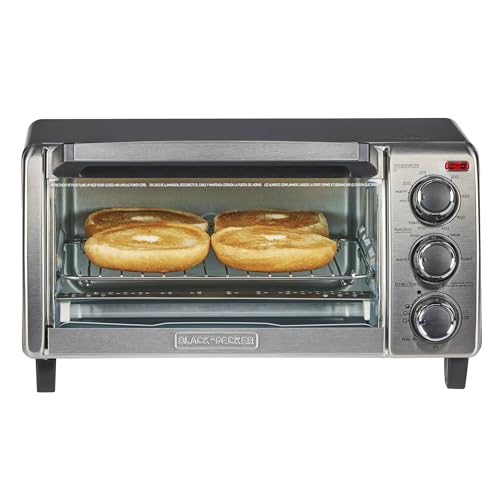
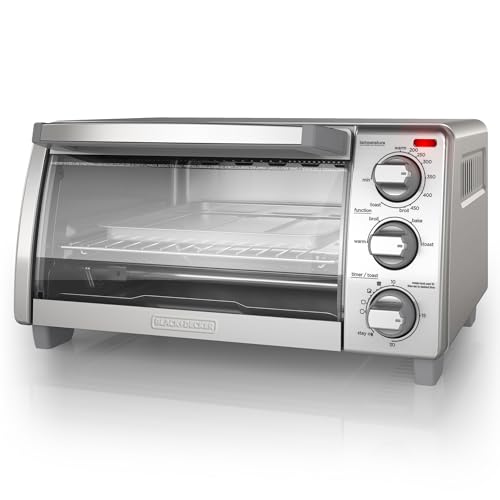
Preheat your oven to 350°F.
Spread the all-purpose flour evenly on a baking sheet.
Bake the flour for 5 minutes to kill any potential bacteria.
Allow the flour to cool completely before using it in the recipe.


Step 2: Cream Butter and Sugars

Place softened butter, brown sugar, and granulated sugar in a mixing bowl.
Use an electric mixer to cream the ingredients on medium speed.
Continue mixing until the mixture becomes light and fluffy.
This process should take about 2-3 minutes.




Step 3: Add Vanilla and Salt
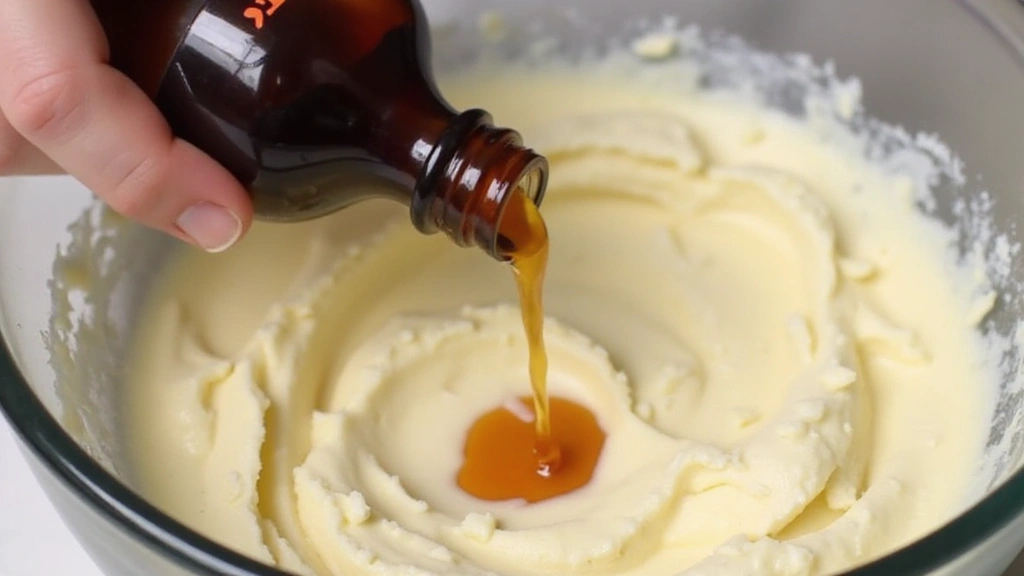
Add vanilla extract and salt to the creamed mixture.
Mix on low speed until well combined.
Ensure the vanilla and salt are evenly distributed throughout the mixture.
Scrape down the sides of the bowl as needed to ensure even mixing.



Step 4: Incorporate Heat-Treated Flour
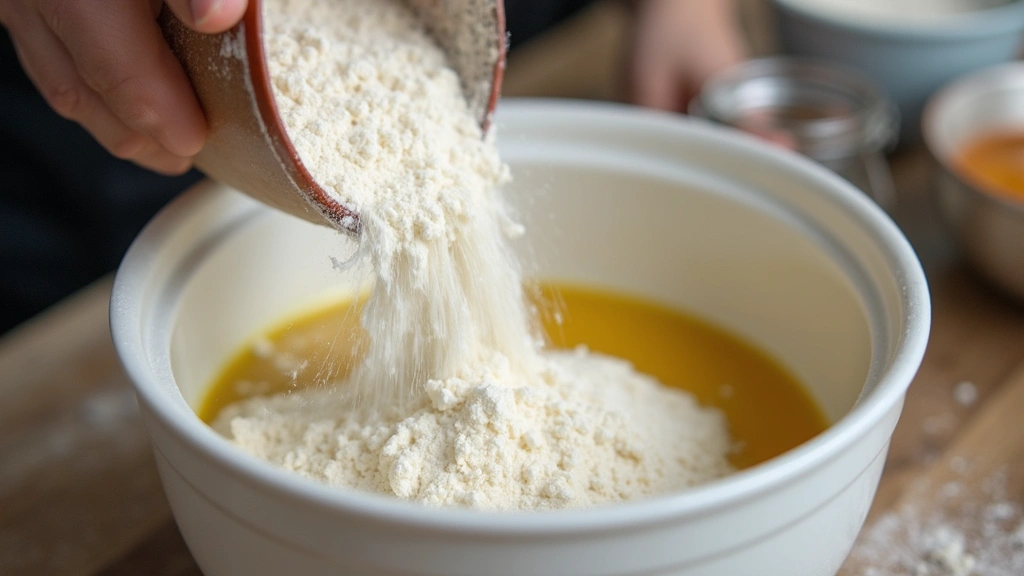
Gradually add the cooled, heat-treated flour to the wet ingredients.
Mix on low speed until just combined.
Avoid over-mixing to maintain a soft texture.
The dough should come together and pull away from the sides of the bowl.




Step 5: Fold in Chocolate Chips

Add chocolate chips to the dough mixture.
Use a spatula to gently fold the chips into the dough.
Ensure the chips are evenly distributed throughout the dough.
Avoid over-mixing to keep the dough light and airy.




Step 6: Chill the Dough

Transfer the cookie dough to an airtight container.
Refrigerate the dough for at least 30 minutes to enhance flavor.
The chilling process helps the dough firm up for easier scooping.
Ensure the container is sealed to prevent drying out.
Step 7: Serve and Enjoy

Once chilled, scoop the dough into individual servings.
Use a cookie scoop or spoon for uniform portions.
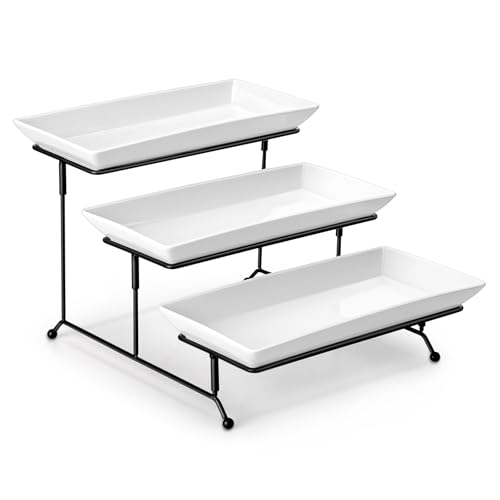
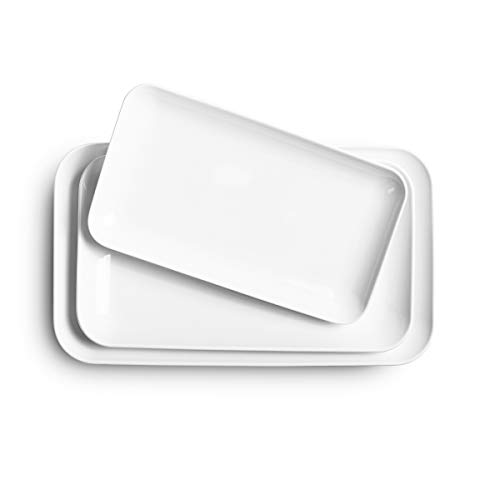
Serve the dough in small bowls or on a platter.
Garnish with extra chocolate chips if desired for presentation.



Critical Timing and Temperature Guide
Heat-Treating Flour: Bake at 350°F for exactly 5 minutes. Flour should not brown. Avoid longer baking times to prevent burnt flavors.
Creaming Butter and Sugar: Mix for 2-3 minutes on medium speed. Look for a fluffy, pale mixture. Overmixing can lead to a greasy texture.
Chilling Dough: Chill for at least 30 minutes. Dough should be firm but not hard. Avoid freezing as it can alter texture.




Pro Tips for Edible Cookie Dough
• Ingredient Selection: Use high-quality unsalted butter and pure vanilla extract for the best flavor.
• Preparation Secret: Toasting the flour adds a subtle nutty flavor that enhances the dough.
• Temperature Management: Ensure butter is softened but not melted for proper creaming.
• Texture Enhancement: For a creamier texture, substitute half of the butter with cream cheese.
• Flavor Layering: Add a pinch of cinnamon or espresso powder for depth.
• Make-Ahead Strategies: Dough can be made 2 days in advance and stored in the fridge.
• Restaurant-Quality Finishing Touches: Sprinkle sea salt flakes on top for a gourmet touch.
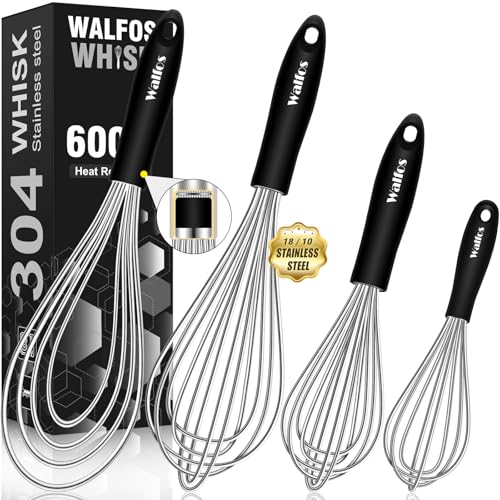
• Equipment Optimization: Use a silicone spatula to ensure every bit of dough is mixed and transferred efficiently.


Troubleshooting Common Issues
• Texture Too Dense: Caused by overmixing. Recognize by a heavy, sticky dough. Fix by gently folding in flour next time.
• Dough Too Sticky: Insufficient chilling. Recognize by an inability to hold shape. Fix by extending chilling time.
• Lacks Flavor: Caused by low-quality ingredients. Recognize by bland taste. Fix by using real vanilla extract and fresh ingredients.
• Crumbly Dough: Insufficient mixing of wet ingredients. Recognize by dry, crumbly texture. Fix by ensuring butter is fully creamed with sugars.
• Uneven Chocolate Distribution: Caused by improper folding. Recognize by clumps of chocolate. Fix by evenly folding chips into dough.
Variations and Regional Differences
• Vegan Variation: Substitute butter with vegan margarine and use plant-based milk for a dairy-free version.
• Gluten-Free Variation: Use oat flour or almond flour in place of all-purpose flour for a gluten-free option.
• Peanut Butter Style: Add 1/2 cup of creamy peanut butter for a nutty twist.
• Chocolate Lovers: Mix in white chocolate chips and cocoa powder for a rich chocolate variation.
Food Science Behind the Recipe
• Heat-Treating Flour: This process kills any potential pathogens present in raw flour, making it safe for consumption.
• Creaming Method: Incorporates air into the dough, creating a light texture by trapping air bubbles in the fat.
• Chilling Dough: Allows the flavors to meld and firm up, making it easier to scoop and enhancing texture.
Frequently Asked Questions
What's the most common mistake people make when preparing edible cookie dough? Overmixing the dough, which can lead to a dense texture.
Can I bake this cookie dough? No, this dough is formulated to be eaten raw. It lacks leavening agents needed for baking.
How do I know the flour is safe to eat? Ensure it is heat-treated in the oven to kill any potential bacteria.
Can I freeze the dough? Yes, but it may alter the texture slightly. Thaw in the fridge before serving.
What can I substitute for chocolate chips? Try nuts, dried fruit, or white chocolate for variation.
How can I make the dough less sweet? Reduce the amount of granulated sugar or use darker chocolate chips.
Is it safe for kids to eat? Yes, with heat-treated flour and no eggs, it's safe for all ages.
Serving and Presentation Guide
• Traditional Presentation: Serve in small bowls with a sprinkle of extra chocolate chips on top.
• Party Platter: Arrange scoops of dough on a decorative platter with small spoons for easy serving.
• Parfait Style: Layer cookie dough with whipped cream in a glass for a dessert parfait.
• Gift Jars: Pack the dough in small jars tied with ribbon for a homemade gift.





Conclusion
Crafting your own edible cookie dough at home is both simple and rewarding.
With safe ingredients and a delicious taste, this treat is perfect for satisfying your sweet cravings.
Share it with friends and family or keep it as a personal indulgence.
Embrace the nostalgia and joy that comes with every spoonful.