
Slow Cooker Recipes: Easy Meals, Less Effort!
Family-friendly dishes for busy people — quick prep, delicious results.
Grab yours for $4Lo Mein combines silky noodles with a rich, flavorful sauce and tender vegetables for a comforting dish that satisfies any craving.
The harmony of savory, sweet, and umami flavors creates a memorable dining experience that will have you returning for more.
I first encountered this delightful recipe during a family gathering, where it quickly became a favorite for its simplicity and taste.
With its versatility and quick preparation, Lo Mein is perfect for both a casual weeknight dinner and a more elaborate celebration.
Packed with vibrant vegetables and a luscious sauce, it offers a great way to enjoy a balanced meal that pleases everyone at the table.
The History and Cultural Significance
• Lo Mein traces its origins to China, where it was originally created as a method of using leftover noodles and stir-frying them with vegetables and sauce.
• The dish evolved over decades as diverse ingredients like meats and various vegetables were incorporated, eventually becoming the beloved version we know today.
• In Chinese culture, this dish traditionally appears at celebratory events like birthday banquets and New Year feasts, symbolizing longevity and prosperity due to the length of the noodles.
• While many variations exist across different regions, the authentic version maintains the soft, chewy texture of the noodles that sets it apart from imitations.



Recipe Overview
Nutritional Information (per serving)
Essential Equipment Guide
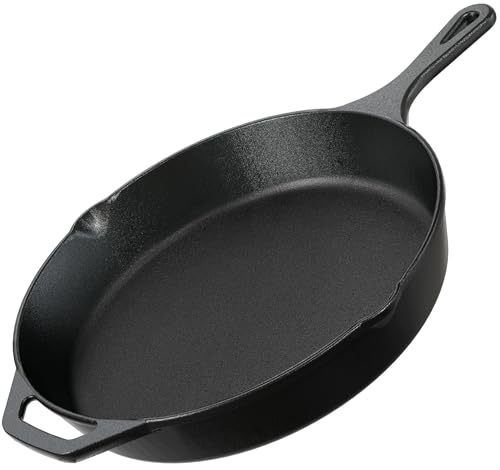
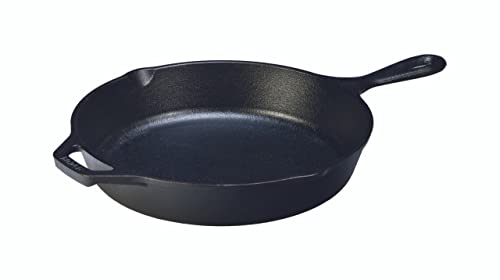
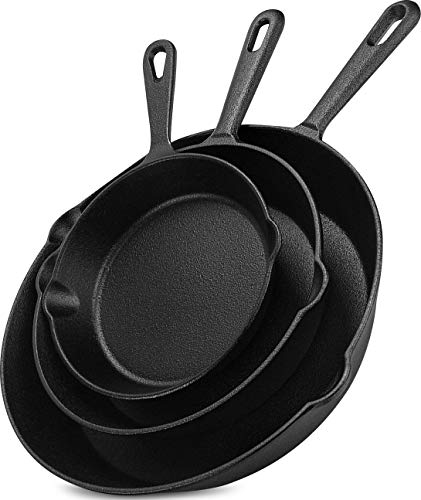
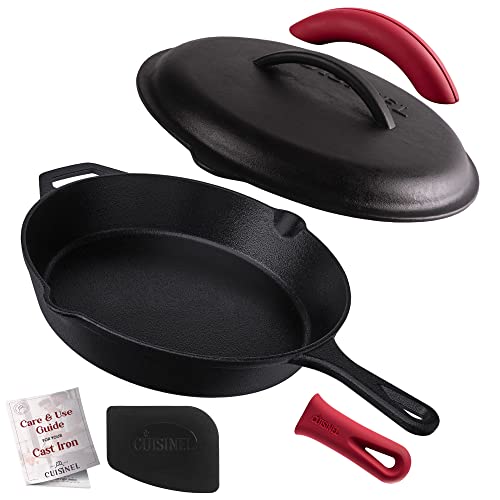
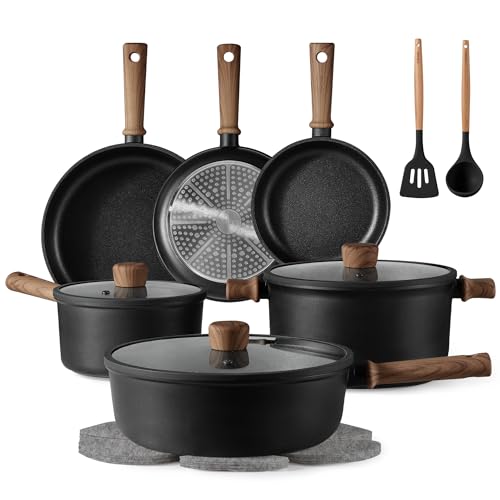
Wok: A wok is essential for achieving the characteristic high-heat stir-fry that Lo Mein requires. Its shape allows for even heating and easy tossing of ingredients. Alternatives include a large, heavy skillet if a wok is unavailable.
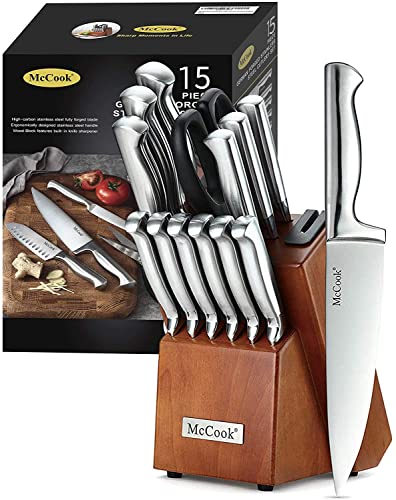
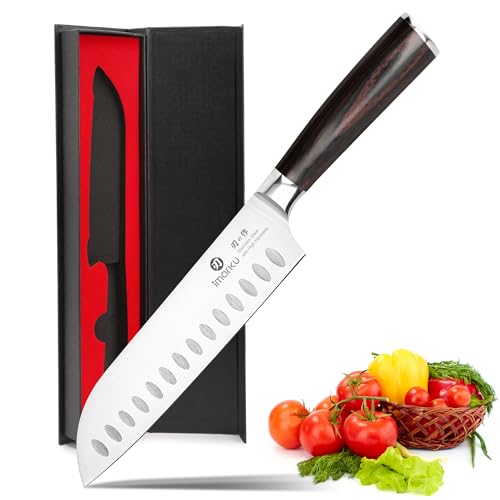
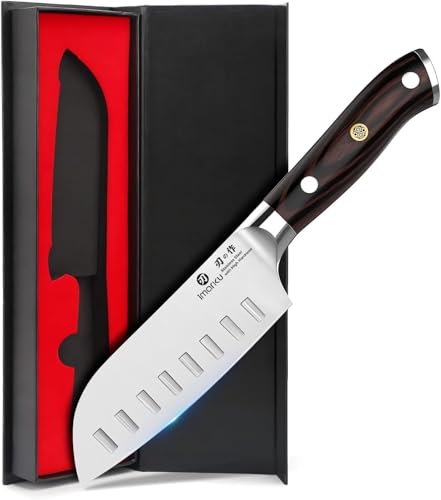
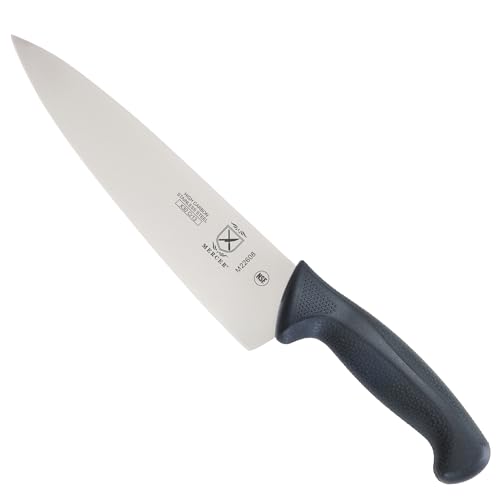
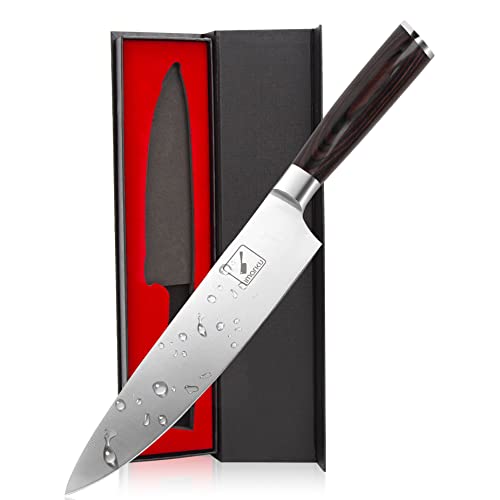
Sharp Knife: A sharp knife is crucial for slicing vegetables and meat into uniform pieces, ensuring even cooking. A good chef’s knife can handle all necessary prep work.
Strainer: A strainer is useful for quickly draining cooked noodles, preventing them from becoming soggy. A colander can also work, but ensure it has fine holes to catch the noodles effectively.


Ingredients
For the Noodles
|
|
| Amount | Ingredient | Notes |
|---|---|---|
| 200 grams | egg noodles | cooked according to package instructions |
For the Sauce
| Amount | Ingredient | Notes |
|---|---|---|
| 3 tablespoons | soy sauce | provides savory depth |
| 1 tablespoon | oyster sauce | adds richness |
| 1 tablespoon | hoisin sauce | offers a touch of sweetness |
| 2 teaspoons | sesame oil | imparts nutty aroma |
| 1 teaspoon | sugar | balances flavors |
| 1 teaspoon | cornstarch | thickens the sauce |
Vegetables
| Amount | Ingredient | Notes |
|---|---|---|
| 1 cup | cabbage | shredded |
| 1 medium | carrot | julienned |
| 1 cup | snap peas | trimmed |
| 1 small | red bell pepper | sliced |
| 3 cloves | garlic | minced |
Protein (optional)
| Amount | Ingredient | Notes |
|---|---|---|
| 200 grams | chicken breast | sliced thinly |
Preparation Methods
Velveting: Velveting is a technique that involves marinating meat with cornstarch and egg white before cooking. It ensures the meat remains tender and moist during high-heat stir-frying. To master this, ensure the meat is evenly coated and avoid overcrowding the pan.
Blanching: Blanching involves briefly cooking vegetables in boiling water before stir-frying. This technique preserves the vibrant color and crisp texture of vegetables. To avoid overcooking, immediately transfer vegetables to ice water after blanching.
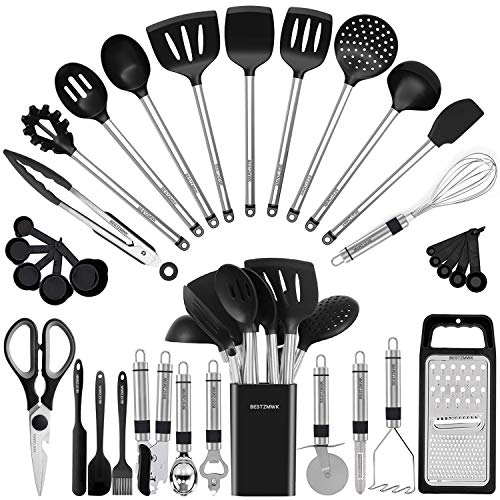
Tossing: Tossing is a method of continuously stirring ingredients in the wok to ensure even cooking. It helps to prevent sticking and allows flavors to meld. Use a spatula to gently lift and flip ingredients rather than stirring aggressively.



Step 1: Prepare Ingredients

Gather all necessary ingredients, including noodles, vegetables, and sauces.
Slice the chicken breast thinly if using, and marinate with a pinch of salt and cornstarch.
Chop vegetables into uniform pieces for even cooking.
Mix all sauce ingredients in a small bowl until smooth.
Step 2: Cook the Noodles
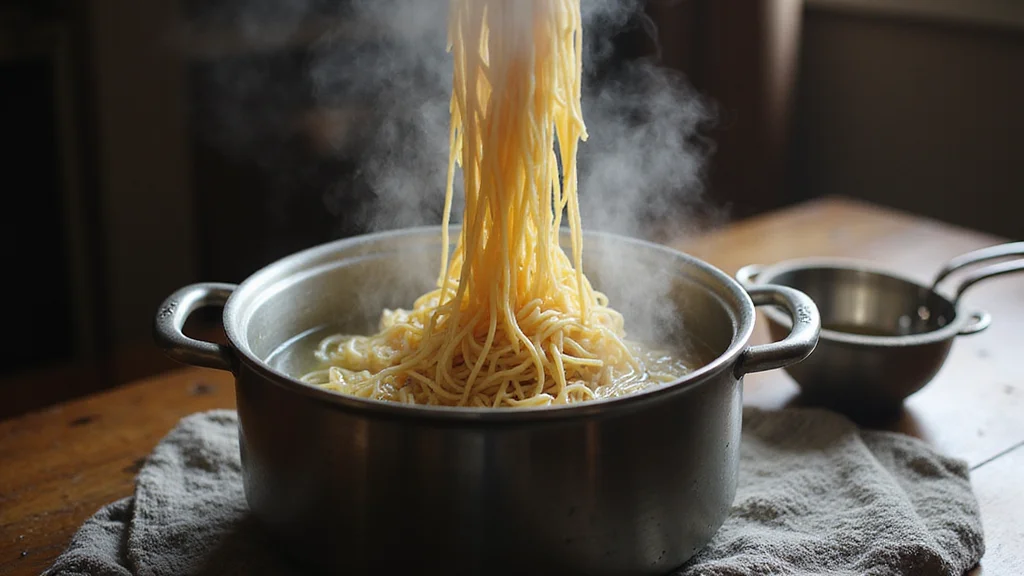
Bring a pot of water to a rolling boil.
Add the egg noodles and cook according to package instructions until al dente.
Drain the noodles and rinse under cold water to stop cooking.
Toss noodles with a teaspoon of sesame oil to prevent sticking.




Step 3: Blanch the Vegetables
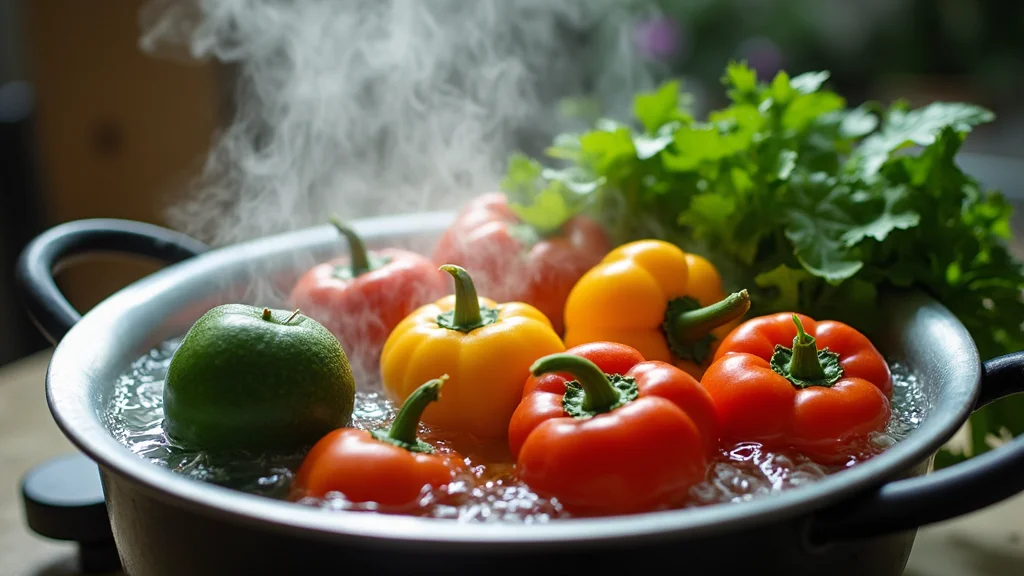
Bring a separate pot of water to a boil.
Add carrots, snap peas, and cabbage, blanching for about 1 minute.
Immediately transfer vegetables to an ice bath to retain color and crispness.
Drain and set aside for later use.




Step 4: Stir-Fry the Chicken
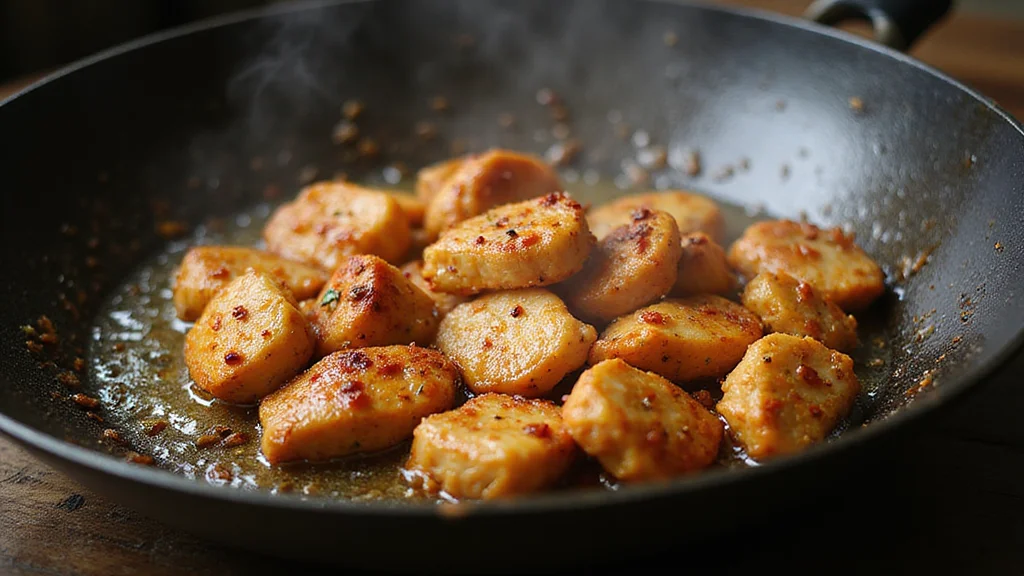
Heat a tablespoon of oil in the wok over medium-high heat.
Add marinated chicken slices, spreading them evenly in the wok.
Cook until chicken is browned and cooked through, about 3 minutes.
Remove chicken from wok and set aside.


Step 5: Sauté the Garlic

Add another teaspoon of oil to the wok and reduce heat to medium.
Add minced garlic and sauté until fragrant, about 30 seconds.
Ensure garlic does not burn by stirring continuously.
Remove garlic from heat if it begins to brown too quickly.
Step 6: Combine Vegetables and Chicken

Return blanched vegetables to the wok with the sautéed garlic.
Add the cooked chicken back into the wok.
Toss ingredients together to combine and heat through.
Ensure all components are evenly distributed.




Step 7: Add the Noodles
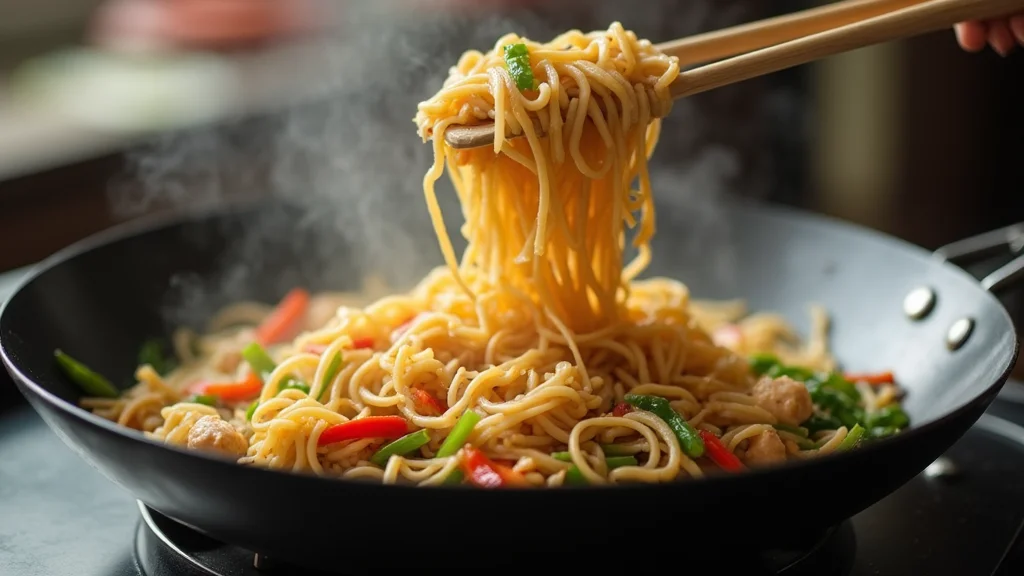
Increase heat to high and add cooked noodles to the wok.
Toss noodles with vegetables and chicken to combine.
Ensure the noodles are evenly coated with ingredients.
Take care not to break the noodles while tossing.




Step 8: Pour in the Sauce

Pour the prepared sauce mixture over the noodles and stir.
Toss everything together to ensure even coating with the sauce.
Allow the sauce to thicken slightly, about 1 minute.
Taste and adjust seasoning if necessary.


Step 9: Final Toss and Serve
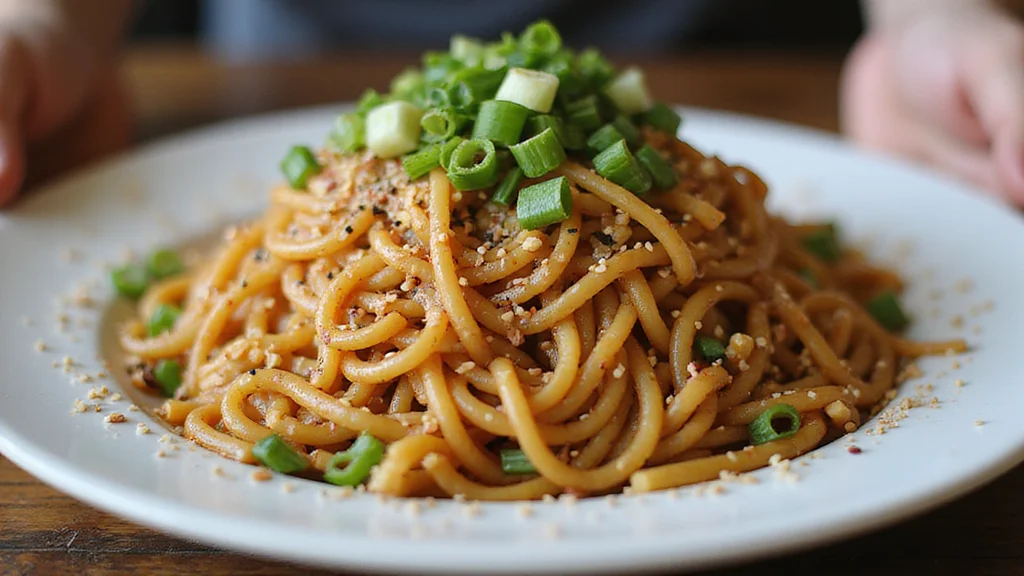
Give the noodles one final toss to ensure everything is well combined.
Turn off the heat and let the dish rest for a minute.
Transfer Lo Mein to serving plates or a large bowl.
Garnish with sliced green onions and sesame seeds if desired.


Critical Timing and Temperature Guide
Cooking Noodles: Cook noodles until just al dente. Overcooking will result in a mushy texture, and undercooking will make them too firm. Visual cues: noodles should be pliable but still firm to the bite. Avoid rinsing with hot water, as this can continue cooking.
Stir-Frying Vegetables: High heat is essential to maintain the vibrant color and crisp texture of vegetables. Visual indicators include a slight browning around the edges. Avoid overcrowding the wok, as this reduces temperature and results in steaming rather than frying.
Sauce Thickening: Allow the sauce to thicken for about 1 minute after adding it to the wok. It should coat the noodles and vegetables lightly without pooling at the bottom. If too thick, add a splash of water to loosen; if too thin, let it cook for another 30 seconds.




Pro Tips for Lo Mein Recipe
• Ingredient Selection: Choose fresh, high-quality vegetables, as they are crucial for texture and flavor. Opt for dark soy sauce for a richer, deeper flavor profile.
• Preparation Secret: Marinating the protein with a pinch of baking soda can help tenderize it, making it softer and more pleasant to eat.
• Temperature Management: Ensure your wok is hot enough before adding ingredients. Test by flicking a drop of water into the wok; it should sizzle and evaporate instantly.
• Texture Enhancement: Use a combination of oil types; neutral oils for cooking and sesame oil for flavoring, to achieve a perfect texture without overpowering the dish.
• Flavor Layering: To enhance the depth of flavors, consider adding a dash of fish sauce or a splash of rice vinegar to the sauce.
• Make-Ahead Strategies: Cook and store noodles separately from other ingredients if preparing in advance. Combine with sauce and vegetables just before serving.
• Restaurant-Quality Finishing Touches: Garnish with freshly chopped cilantro or a drizzle of chili oil for a professional finish.
• Equipment Optimization: If a wok isn't available, use the largest, heaviest skillet you have to mimic the high heat and tossing required.


Troubleshooting Common Issues
• Texture Too Dense: This often results from overcooked noodles or under-tossed ingredients. Recognize by the heavy, clumpy texture. Fix by ensuring noodles are al dente and tossing well during cooking.
• Flavors Unbalanced: Overly salty or sweet flavors can dominate. Recognize through tasting before final serving. Adjust by adding lime juice or rice vinegar for acidity to balance the dish.
• Vegetables Overcooked: Often caused by too low heat or cooking too long. Recognize by lack of color and mushy texture. Fix by quickly blanching and shocking vegetables and maintaining high heat during stir-frying.
• Sauce Not Thickening: This can occur if cornstarch isn’t mixed well or sauce isn't cooked enough. Recognize by a watery sauce that doesn’t coat the noodles. Fix by ensuring cornstarch is dissolved before adding and allowing extra cook time.
• Noodles Sticking Together: Caused by insufficient oil or improper tossing. Recognize by clumped noodles. Fix by tossing noodles with oil before cooking and using a non-stick or well-seasoned wok.




Variations and Regional Differences
• Shanghai-Style Lo Mein: This version uses thick, chewy noodles and often includes pork and bok choy, with a slightly sweeter sauce profile.
• Hong Kong-Style Lo Mein: Differing with a dryer preparation, the noodles are tossed with a light soy sauce mixture and served with wontons or seafood on the side.
• Vegetarian Lo Mein: Focuses on a variety of mushrooms, such as shiitake or oyster, for a meaty texture, enhanced with tofu and extra green vegetables.
• Spicy Szechuan Lo Mein: Includes chili paste or Szechuan peppercorns for a spicy kick, often paired with beef and a more robust, spicy sauce.


Food Science Behind the Recipe
• Maillard Reaction: This browning reaction occurs when proteins and sugars in the chicken and vegetables are exposed to high heat, creating complex flavors and appealing colors.
• Starch Gelatinization: Occurs when noodles are cooked; the starches absorb water and swell, creating the perfect noodle texture crucial for Lo Mein.
• Emulsification: The sauce's texture is enhanced by emulsifying oils and water-based ingredients, creating a smooth and cohesive coating for the noodles.





Frequently Asked Questions
What's the most common mistake people make when preparing Lo Mein? Overcooking the noodles, which leads to a mushy texture that doesn't hold up well during stir-frying.
Can I use any type of noodle for Lo Mein? While egg noodles are traditional, you can substitute with ramen or spaghetti, but ensure they are cooked al dente.
How do I prevent my vegetables from becoming soggy? Blanch them quickly and use high heat during stir-frying to maintain their crispness.
What protein options work best for Lo Mein? Chicken, beef, pork, shrimp, or tofu all work well, allowing for versatility based on dietary preferences.
Is Lo Mein supposed to be spicy? Traditionally, it's not spicy, but you can add chili oil or spicy sauces for a heat element.
How do I store leftover Lo Mein? Store in an airtight container in the refrigerator for up to 3 days, and reheat in a hot pan with a splash of water to revive.
Can I freeze Lo Mein? While possible, freezing can alter the texture of noodles; it's best enjoyed fresh or refrigerated.
Serving and Presentation Guide
• Traditional Presentation: Serve Lo Mein in a large, shallow bowl, garnished with freshly sliced green onions and sesame seeds for an authentic look.
• Family-Style Serving: Present the dish on a large platter, allowing guests to serve themselves, encouraging a communal dining experience.
• Modern Twist: Arrange in individual bowls with a drizzle of flavored oil, like chili or garlic, for a contemporary touch.
• Gourmet Plating: Use a ring mold to neatly shape the noodles on a plate, topped with artfully arranged vegetables and proteins for an upscale presentation.



Conclusion
Embark on a culinary journey with this Lo Mein recipe that combines ease of preparation with delightful flavors.
Whether you're a novice or an experienced cook, this dish offers a rewarding experience that culminates in a satisfying meal.
Gather your ingredients, fire up your wok, and enjoy the process of creating a dish that brings joy to any table.