
Slow Cooker Recipes: Easy Meals, Less Effort!
Family-friendly dishes for busy people — quick prep, delicious results.
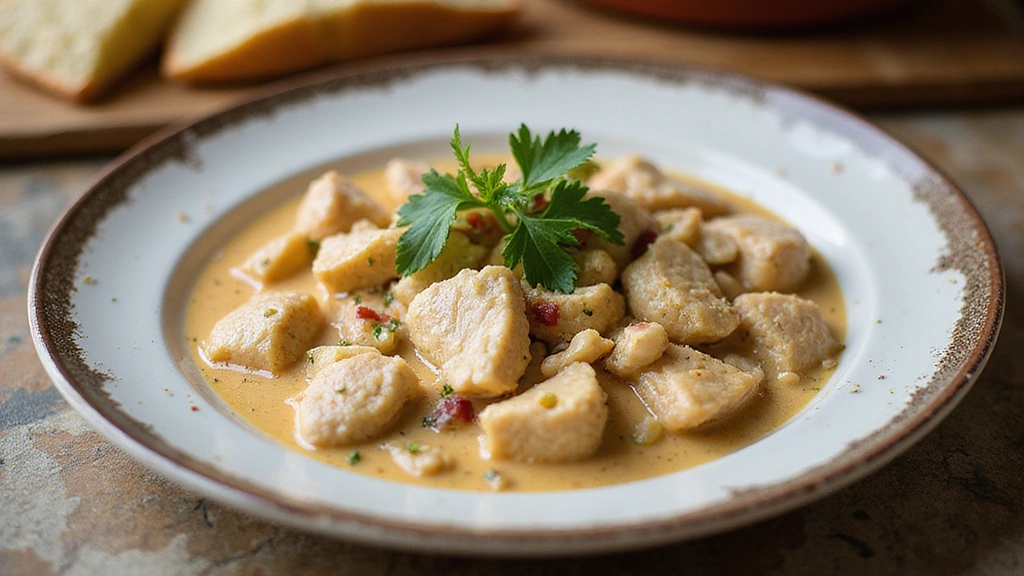
Grab yours for $4The creamy, indulgent texture of Olive Garden Alfredo Sauce is a delight for the senses.
This recipe captures the essence of the restaurant’s beloved sauce with a homemade twist.
Its rich, buttery flavor paired with the perfect hint of garlic makes it a family favorite.
Whether you’re hosting a dinner party or simply want to elevate a weeknight meal, this Alfredo sauce delivers both comfort and sophistication.
With just a few ingredients and straightforward preparation, you’ll recreate a restaurant-quality dish in your own kitchen.
The History and Cultural Significance
• Olive Garden Alfredo traces its origins to early 20th century Rome, where it was originally created by chef Alfredo di Lelio.
• The dish evolved over decades as different cheeses and creams were introduced, eventually becoming the beloved version we know today.
• In Italian-American culture, this dish traditionally appears at family gatherings, symbolizing indulgence and celebration.
• While many variations exist across different regions, the authentic version maintains its creamy consistency and garlic-infused richness that sets it apart from imitations.



Recipe Overview
Nutritional Information (per serving)
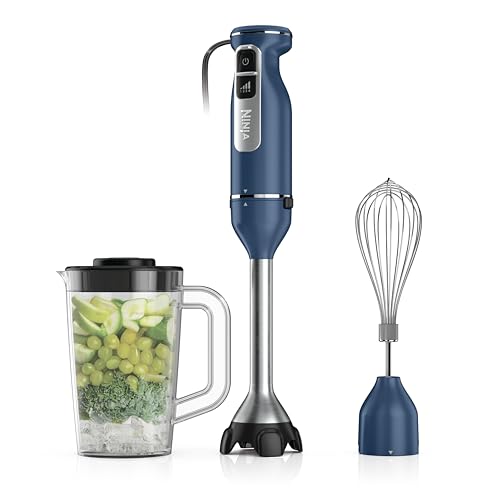
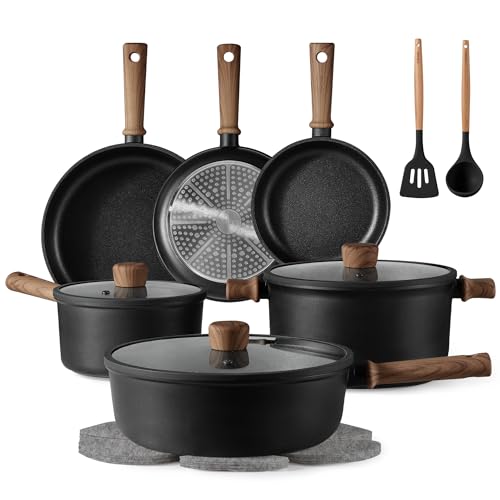
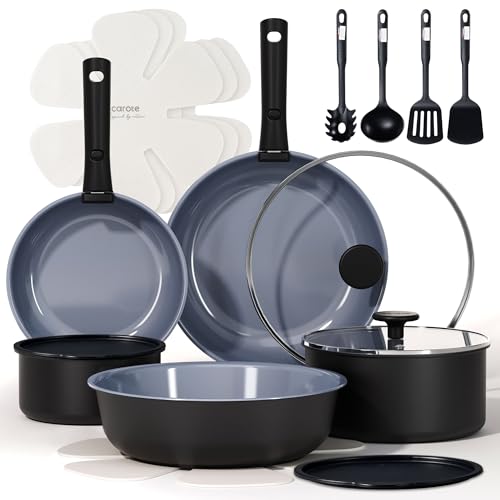
Essential Equipment Guide
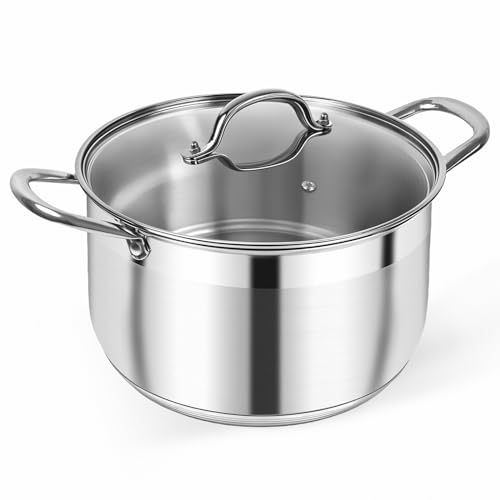
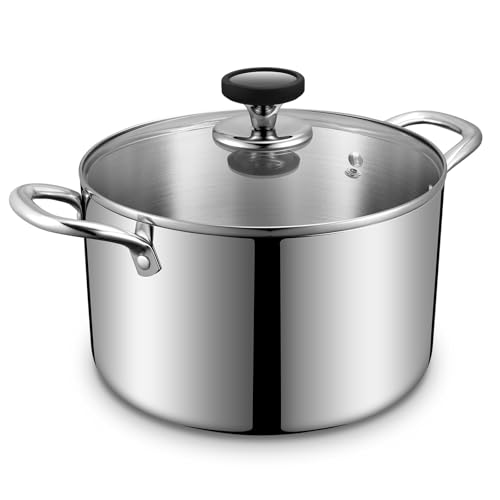
Heavy-bottomed sauce pan: A heavy-bottomed pan ensures even heat distribution, which is crucial for preventing the sauce from scorching. Alternatives like a non-stick pan can work, but look for one with a thick base.
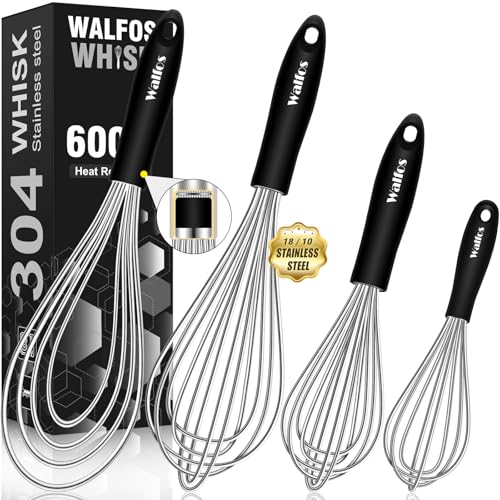
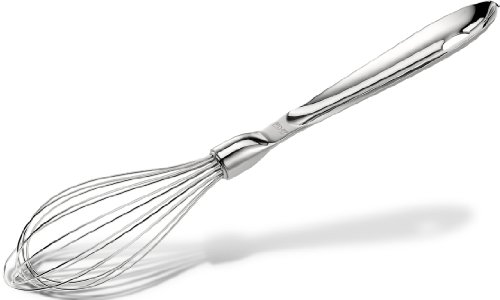
Whisk: A whisk is essential for achieving a smooth, lump-free sauce. A silicone-coated whisk is ideal to protect non-stick cookware. Look for one with a comfortable handle for easy maneuvering.
Microplane grater: This tool is perfect for finely grating Parmesan cheese, which melts smoothly into the sauce. A box grater can be used as an alternative, but a microplane provides finer results. Ensure it’s sharp for the best texture.




Ingredients
For the Sauce
|
|
| Amount | Ingredient | Notes |
|---|---|---|
| 2 cups | heavy cream | provides rich texture |
| 1 cup | Parmesan cheese | freshly grated for best flavor |
| 1/2 cup | unsalted butter | adds creaminess |
| 2 cloves | garlic | minced, infuses sauce with flavor |
| 1/4 teaspoon | black pepper | for seasoning |
| 1/4 teaspoon | salt | enhances overall taste |
Preparation Methods
Tempering Cream: Gradually warming the cream to avoid curdling. This matters for achieving a smooth sauce. Begin by adding a small amount of cream to the melted butter and gradually increase the amount while whisking.
Emulsification: The process of integrating butter and cream to form a cohesive sauce. Proper whisking is key. Start slow, ensuring the butter fully incorporates before adding more cream.
Cheese Incorporation: Slowly adding cheese to the sauce. This prevents clumping and ensures a smooth texture. Add cheese in small amounts, stirring constantly until melted before adding more.



Step 1: Prepare Ingredients
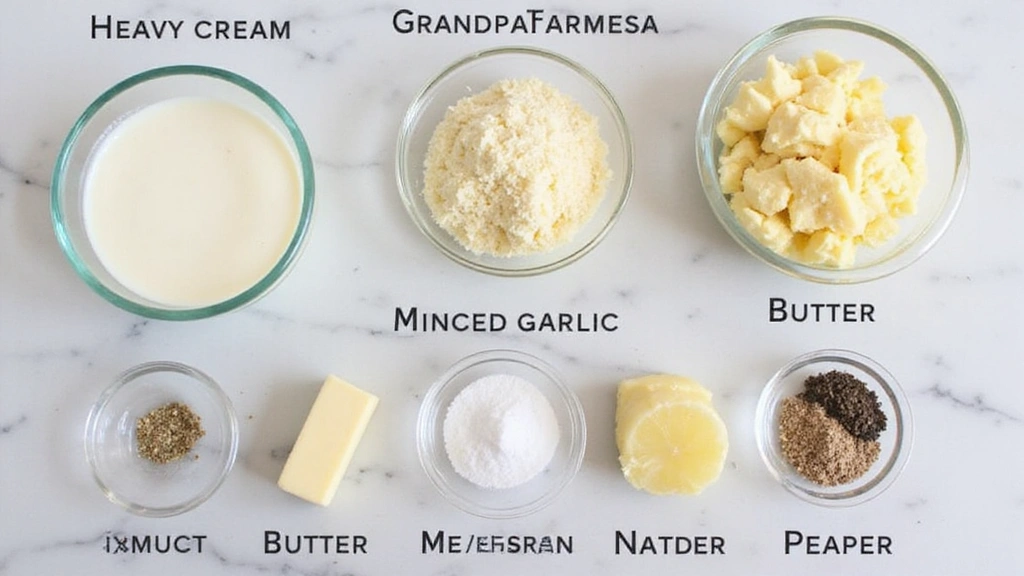
Gather all ingredients and measure them accurately.
Ensure the Parmesan cheese is freshly grated for a smooth sauce.
Mince the garlic finely to distribute its flavor evenly.
Set everything within reach for a seamless cooking process.
Step 2: Melt the Butter

Place a heavy-bottomed sauce pan over medium heat.
Add the unsalted butter and allow it to melt completely.
Stir gently to prevent the butter from browning.
Watch for a uniform, golden liquid without any foam.
Step 3: Add Garlic
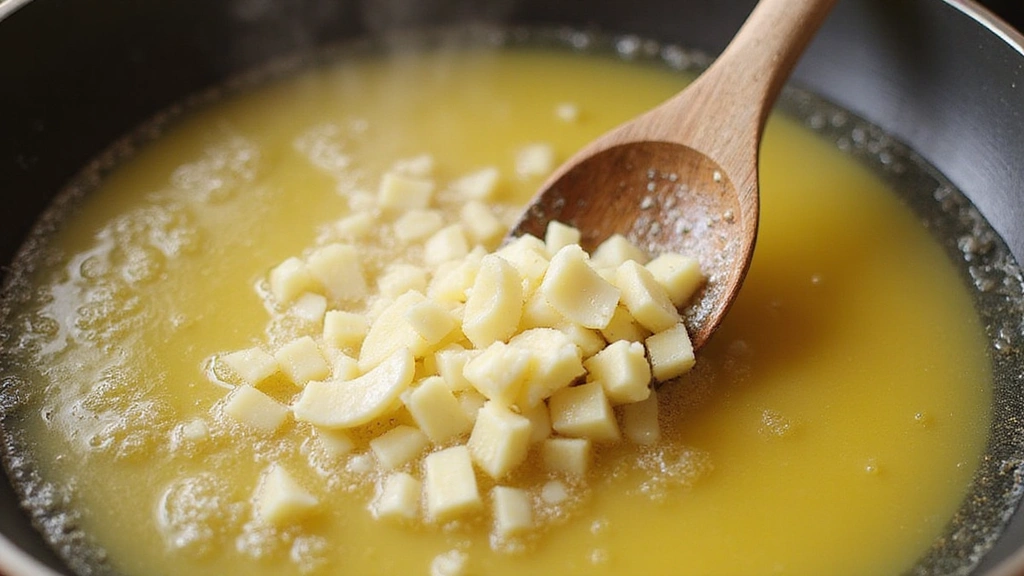
Add minced garlic to the melted butter.
Cook for about 1-2 minutes until fragrant.
Avoid browning the garlic to maintain a sweet flavor.
Stir continuously to evenly distribute the garlic.
Step 4: Temper the Cream
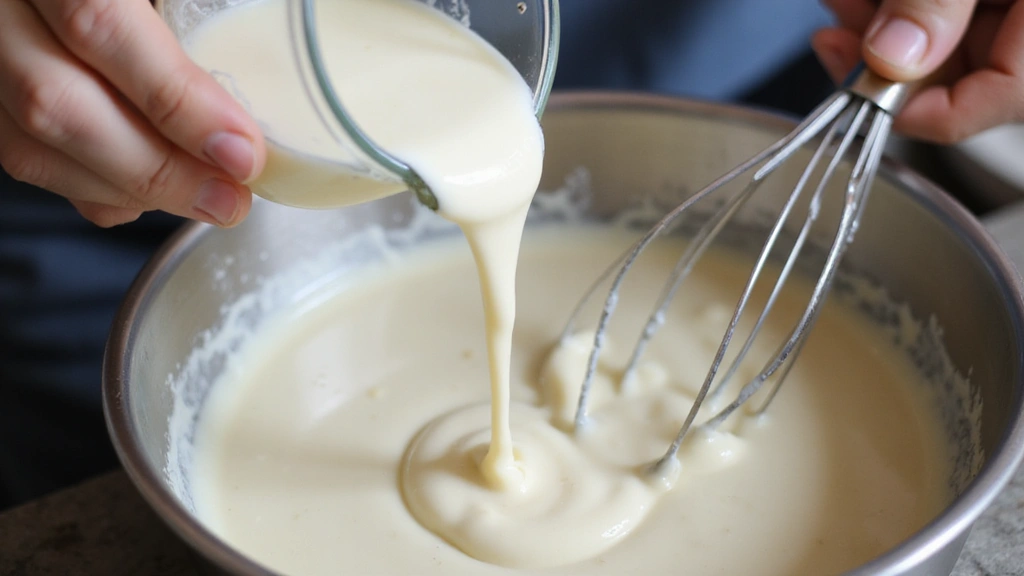
Slowly pour a small amount of heavy cream into the butter and garlic mixture.
Whisk constantly to blend.
Continue adding cream gradually while whisking.
Ensure the mixture remains smooth without separating.



Step 5: Simmer the Sauce
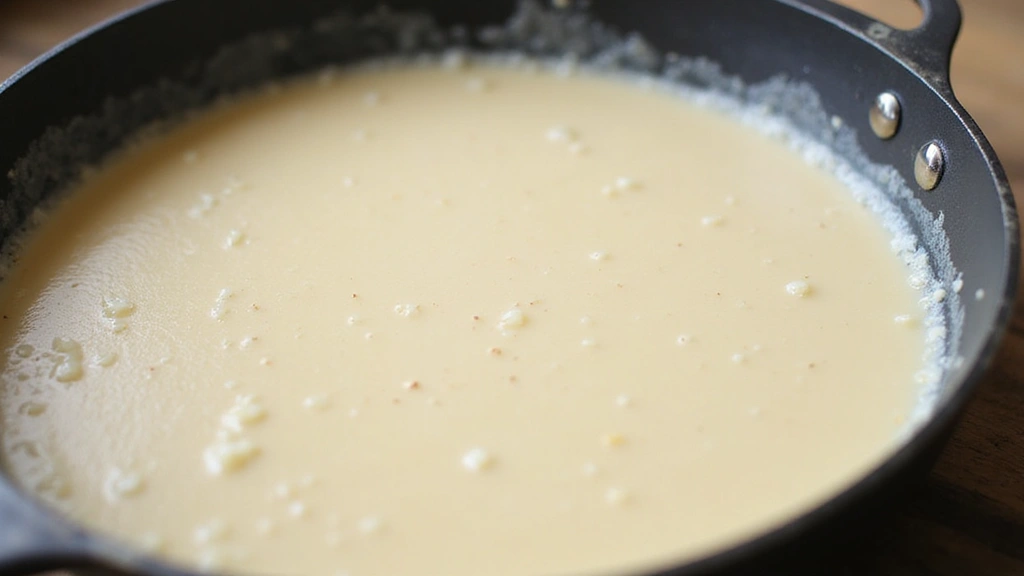
Increase the heat to medium-high to bring the mixture to a gentle simmer.
Allow it to simmer for about 5 minutes, stirring occasionally.
Look for a slightly thickened consistency.
Avoid boiling to prevent separation.



Step 6: Incorporate Cheese

Reduce heat to low and add Parmesan cheese gradually.
Stir constantly to melt the cheese into the sauce.
Add more cheese once the previous portion is fully melted.
Ensure a smooth, velvety sauce without clumps.
Step 7: Season the Sauce

Add salt and black pepper to the sauce.
Stir well to distribute the seasoning evenly.
Taste and adjust seasoning as desired.
The sauce should have a balanced, savory flavor.
Step 8: Serve Immediately
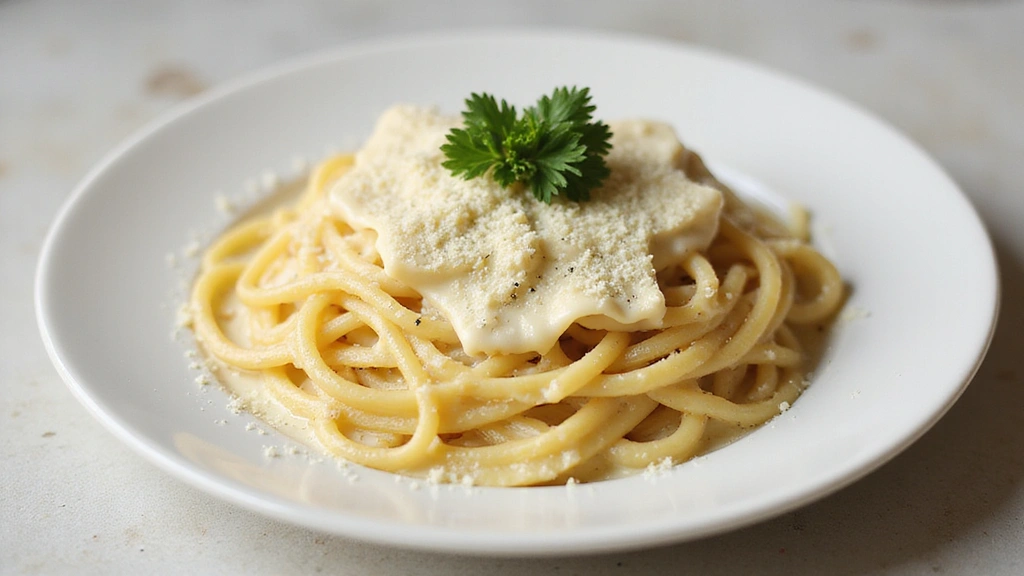
Once the sauce reaches your desired consistency, remove from heat.
Serve over freshly cooked pasta or as desired.
Garnish with extra Parmesan cheese and parsley if preferred.
Enjoy immediately for the best flavor and texture.




Critical Timing and Temperature Guide
Butter Melting: Medium heat, melt until fully liquid without browning. Avoid overheating to prevent a burnt taste.
Sauce Simmering: Medium-high heat, simmer for 5 minutes until slightly thickened. Watch for gentle bubbles, not a rolling boil.
Cheese Melting: Low heat, melt gradually to prevent clumping. Ensure cheese is fully incorporated before adding more.
Pro Tips for Olive Garden Alfredo
• Ingredient Selection: Use freshly grated Parmesan for superior flavor and texture. Pre-grated cheese can lead to a grainy sauce.
• Preparation Secret: Let butter and garlic infuse for a richer taste, but avoid browning the garlic.
• Temperature Management: Keep heat moderate to low during cheese incorporation to maintain a smooth sauce.
• Texture Enhancement: Whisk constantly to emulsify butter and cream, achieving a velvety finish.
• Flavor Layering: Sauté garlic until just fragrant to build a depth of flavor without overpowering.
• Make-Ahead Strategies: Prepare the sauce up to 2 days in advance; reheat gently over low heat, adding a splash of cream if needed.
• Restaurant-Quality Finishing Touches: Garnish with freshly cracked black pepper and a sprinkle of fresh parsley for color and freshness.
• Equipment Optimization: Use a whisk for smooth sauce, but a silicone spatula can also work for folding in cheese.


Troubleshooting Common Issues
• Too Thin Sauce: Caused by insufficient simmering. Simmer longer to reduce and thicken, or add more cheese gradually.
• Clumpy Cheese: Results from adding cheese too quickly or high heat. Melt cheese slowly on low heat, stirring constantly.
• Lack of Flavor: Often due to under-seasoning. Adjust salt and pepper gradually, allowing flavors to meld.
• Greasy Texture: Occurs when butter separates. Ensure constant whisking and proper emulsification of butter and cream.
• Garlic Overpowering: Caused by browning garlic. Cook garlic until just fragrant and adjust the amount to preference.
Variations and Regional Differences
• Roman Style: Uses only butter and Parmesan, omitting cream for a lighter sauce focused on cheese richness.
• American Style: Often includes additional milk or cream for a heavier, richer sauce.
• Vegan Variation: Substitutes dairy with plant-based alternatives like cashew cream and nutritional yeast for a similar creamy texture.
• Spicy Variation: Adds red pepper flakes or cayenne for a kick of heat, common in some American adaptations.
Food Science Behind the Recipe
• Emulsification: The process of combining fat and water-based ingredients to create a stable mixture, crucial for a smooth sauce.
• Maillard Reaction: Browning of garlic is part of this reaction, contributing to the depth of flavor, though minimal for this recipe.
• Protein Coagulation: Proper cheese melting prevents proteins from clumping, ensuring a smooth texture.


Frequently Asked Questions
What's the most common mistake people make when preparing Alfredo Sauce? Overheating the sauce, which can cause the cream to curdle and the cheese to clump.
Can I use pre-grated Parmesan cheese? It's not recommended as it can lead to a grainy texture due to anti-caking agents.
How can I make the sauce thicker? Simmer for longer to reduce or add more cheese gradually.
What if my sauce separates? Whisk vigorously over low heat to bring it back together, or add a splash of cream to help emulsify.
Can I make this sauce ahead of time? Yes, refrigerate for up to 2 days and reheat gently.
Is there a way to make this sauce lighter? Substitute half of the cream with milk for a lighter version.
What is the best pasta to pair with Alfredo Sauce? Fettuccine is traditional, but any pasta shape can work well.
Serving and Presentation Guide
• Traditional Presentation: Serve over fettuccine pasta, topped with extra Parmesan and a sprinkle of parsley.
• Family Style: Present in a large serving dish with a side of garlic bread and a fresh green salad for a complete meal.
• Elegant Dining: Plate individually with a garnish of black pepper and a sprig of basil for a touch of refinement.
• Casual Gathering: Serve in a warm bowl with crusty bread for dipping, ideal for a cozy meal with friends.


Conclusion
This Olive Garden Alfredo Sauce recipe brings restaurant-quality taste to your home kitchen.
Its creamy, indulgent flavor is sure to impress family and friends alike.
Give it a try, and enjoy the comforting taste of this classic dish any night of the week.