
Slow Cooker Recipes: Easy Meals, Less Effort!
Family-friendly dishes for busy people — quick prep, delicious results.
Grab yours for $4The beloved Raising Cane’s Sauce is a tangy and addictive condiment that has captured the hearts of many fast-food enthusiasts.
Its unique blend of creamy, spicy, and tangy flavors creates a perfect harmony that complements almost any dish.
Whether you’re dipping crispy chicken tenders or spreading it on a sandwich, this sauce adds a delightful zing to your meal.
I first encountered this sauce during a road trip through the southern United States, where it reigned supreme at every fast-food joint I visited.
Recreating this sauce at home allows for endless customization, making it a versatile addition to your culinary repertoire.
Get ready to dive into a recipe that’s simple to make yet impressively close to the original.
The History and Cultural Significance
• Raising Cane’s Sauce traces its origins to the southern United States, where it was originally created by the Raising Cane’s Chicken Fingers restaurant chain.
• The dish evolved over decades as the brand expanded, eventually becoming the beloved version we know today.
• In southern culture, this dish traditionally appears at casual gatherings and fast-food dining, symbolizing comfort and indulgence.
• While many variations exist across different regions, the authentic version maintains a creamy, tangy profile that sets it apart from imitations.



Recipe Overview
Nutritional Information (per serving)
Essential Equipment Guide
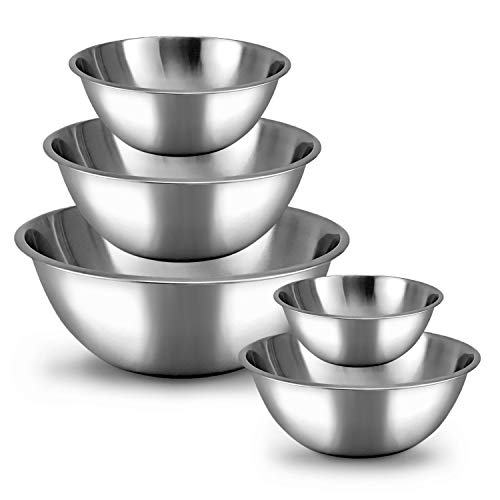
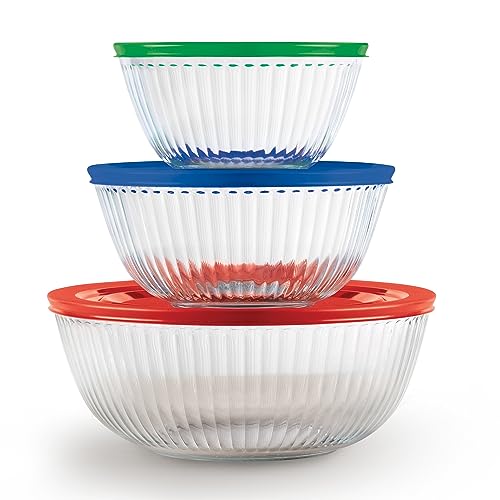
Mixing Bowl: A sturdy mixing bowl is essential for combining ingredients thoroughly. A medium-sized glass or stainless steel bowl works best, as it provides enough space for vigorous mixing.
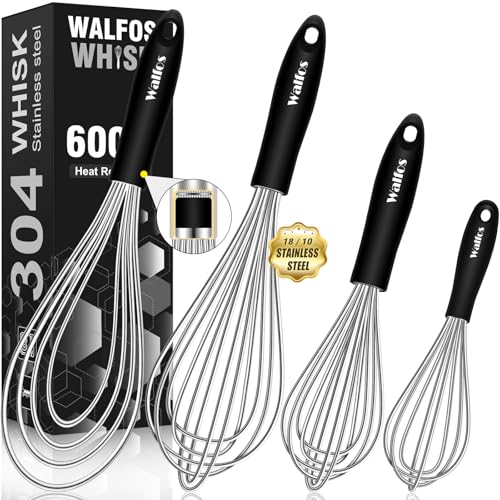
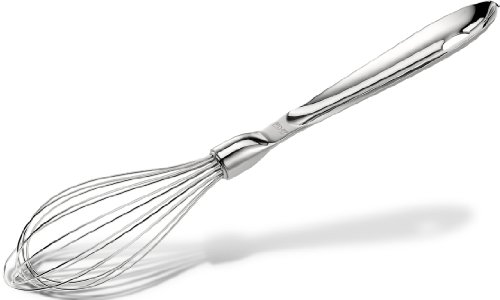
Whisk: A whisk is crucial for achieving a smooth, emulsified sauce. A small balloon whisk is ideal, though a fork can serve as an alternative if needed.
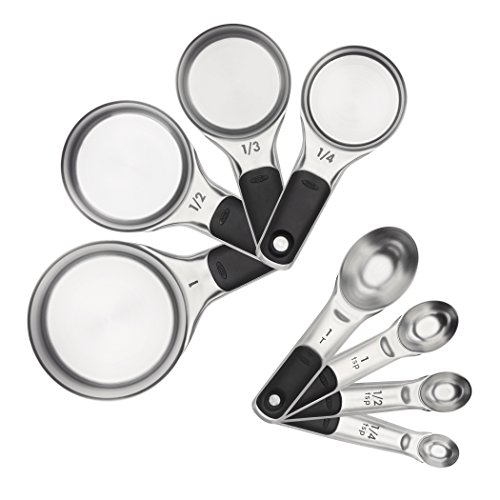
Measuring Spoons: Accurate measurement of ingredients is key to replicating the sauce’s signature flavor. Opt for a set of stainless steel measuring spoons for precision.




Ingredients
For the Sauce
|
|
| Amount | Ingredient | Notes |
|---|---|---|
| 1/2 cup | mayonnaise | adds creaminess |
| 1/4 cup | ketchup | provides tangy sweetness |
| 1 tablespoon | Worcestershire sauce | enhances umami |
| 1 teaspoon | garlic powder | adds depth of flavor |
| 1 teaspoon | black pepper | for subtle heat |
| 1/2 teaspoon | paprika | imparts mild smokiness |
Preparation Methods
Emulsifying: This technique involves combining ingredients to form a stable mixture. In this recipe, whisking the mayonnaise with other liquids helps achieve a creamy texture. Be sure to whisk vigorously to ensure the sauce doesn't separate.
Flavor Balancing: Adjusting the proportions of sweet, salty, and tangy elements is crucial. Taste the sauce midway and tweak the seasoning to suit your palate, ensuring a balanced flavor profile.
Resting: Allowing the sauce to rest in the refrigerator helps meld flavors together. This resting period is essential for achieving the depth of flavor characteristic of Raising Cane’s Sauce.



Step 1: Gather Ingredients
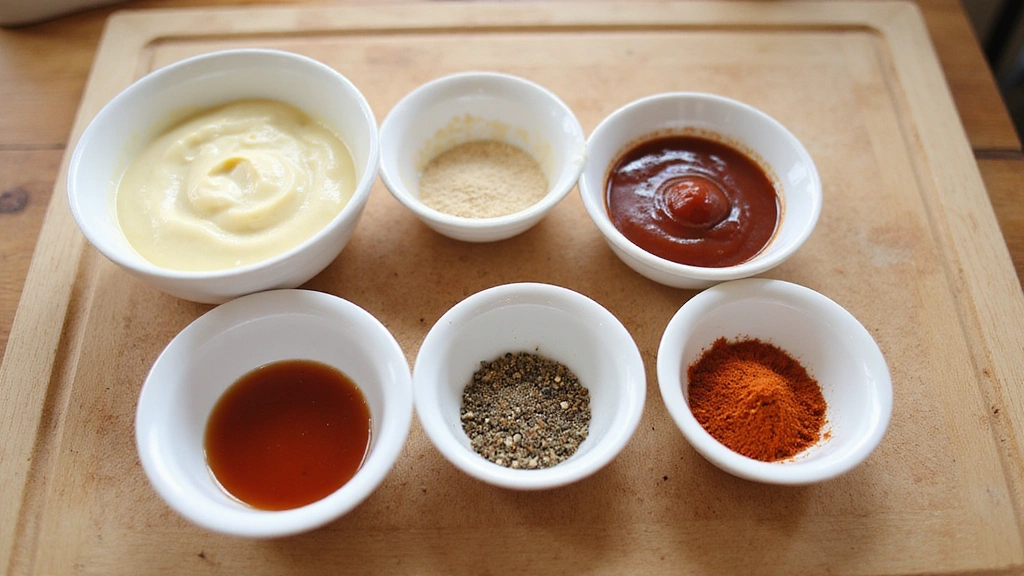
Start by collecting all the necessary ingredients for the sauce.
Ensure each ingredient is measured accurately to maintain the balance of flavors.
Having everything ready will streamline the preparation process.
This step is crucial to avoid missing any components and ensures a smooth cooking experience.
Step 2: Combine Base Ingredients

In a medium-sized mixing bowl, add the mayonnaise and ketchup.
Use a whisk to blend them together until fully combined.
The mixture should appear smooth and uniform in color.
This forms the creamy base of the sauce.
Step 3: Add Worcestershire Sauce

Measure out the Worcestershire sauce carefully and pour it into the bowl.
Whisk the mixture vigorously to incorporate the sauce evenly.
The color will darken slightly, indicating the addition of this savory element.
Ensure there are no streaks of Worcestershire sauce visible.






Step 4: Season with Spices

Sprinkle the garlic powder, black pepper, and paprika over the mixture.
Continue whisking to distribute the spices throughout the sauce.
These spices provide the characteristic heat and smokiness of the sauce.
The sauce should look evenly speckled with spices.



Step 5: Taste and Adjust

Taste the sauce to check for balance in flavors.
Adjust the seasoning if necessary, adding more pepper for heat or ketchup for sweetness.
This step ensures the sauce meets your flavor preference.
Remember, the flavors will develop further during resting.
Step 6: Refrigerate the Sauce

Transfer the sauce to an airtight container for storage.
Place it in the refrigerator to let the flavors meld together.
Resting for at least an hour enhances the sauce's depth and complexity.
This resting period is crucial for achieving the authentic taste.
Step 7: Stir Before Serving

Before serving, give the sauce a quick stir to ensure even consistency.
This step redistributes any settled ingredients, maintaining a smooth texture.
Check the sauce's flavor one last time, adjusting if needed.
Your sauce is now ready to complement any dish.
Step 8: Serve and Enjoy

Transfer the sauce to a serving dish or ramekin.
Pair it with your favorite dish, such as chicken tenders or fries.
The sauce's vibrant color and creamy texture make it visually appealing.
Enjoy the homemade version of this iconic sauce.


Critical Timing and Temperature Guide
Emulsifying: Whisk for approximately 2-3 minutes to achieve a smooth texture. Look for a uniform color with no separation. Avoid under-whisking, which can lead to a lumpy mixture.
Flavor Development: Refrigerate for at least 1 hour to allow flavors to meld. The sauce should have a deeper, more integrated flavor after resting. Do not skip this step, as it is crucial for authentic taste.
Serving Temperature: Serve chilled for optimal flavor and texture. The sauce should be thick and creamy straight from the refrigerator. Avoid serving at room temperature, which may cause it to thin.


Pro Tips for Raising Cane’s Sauce
• Ingredient Selection: Use high-quality mayonnaise and ketchup, as these form the base of the sauce. The richness of the mayonnaise and the tang of the ketchup are pivotal to the sauce's flavor profile.
• Preparation Secret: Let the sauce rest longer for a more pronounced flavor. An overnight rest can significantly enhance the taste.
• Temperature Management: Ensure all ingredients are at room temperature before mixing to facilitate emulsification.
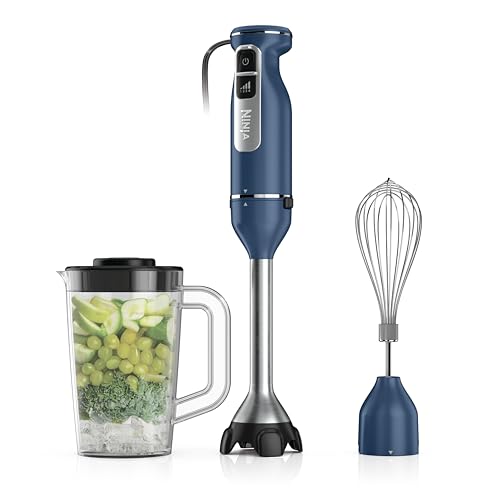
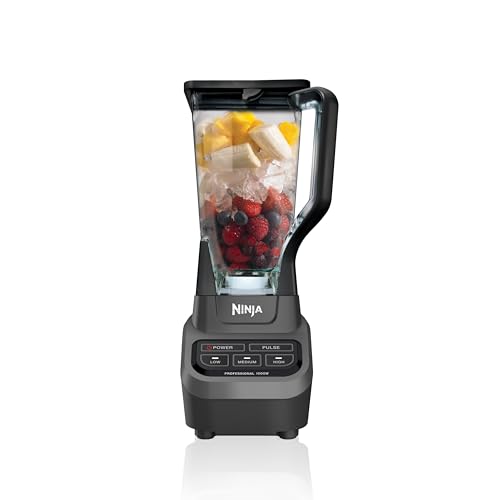
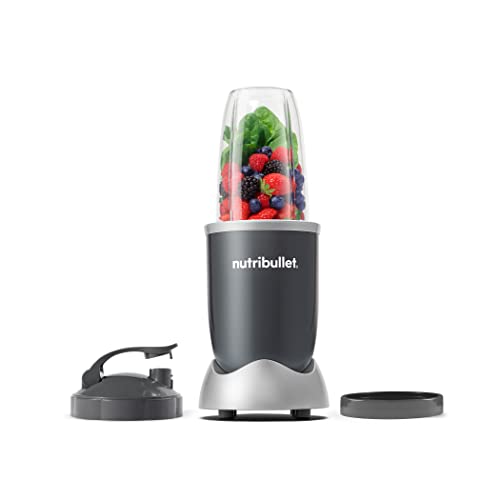
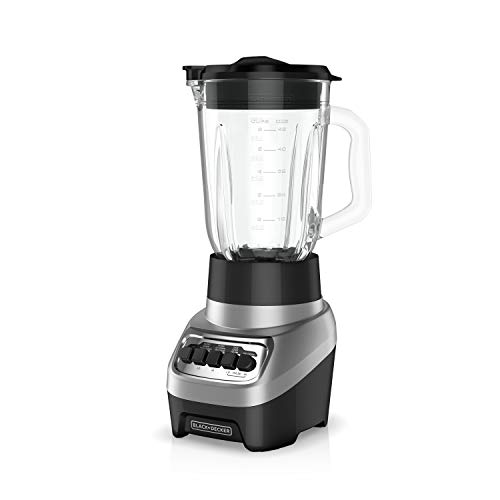
• Texture Enhancement: For an extra creamy texture, consider using an immersion blender instead of a whisk.
• Flavor Layering: Add a pinch of cayenne pepper for an extra kick, layering heat without overpowering the sauce.
• Make-Ahead Strategies: The sauce can be made a day in advance. Store in an airtight container in the refrigerator to maintain freshness.
• Restaurant-Quality Finishing Touches: Garnish with a sprinkle of paprika before serving for a visual and flavor boost.
• Equipment Optimization: If you don't have a whisk, a fork can be an effective alternative for mixing.



Troubleshooting Common Issues
• Separation: If the sauce appears separated, it may not have been whisked enough. Re-whisk vigorously until it becomes smooth.
• Flavors Unbalanced: If the sauce is too tangy, add a bit more mayonnaise to mellow it out. Conversely, add more ketchup if it's too bland.
• Texture Too Thin: If the sauce is runny, it may need more emulsification. Whisk again or add a bit more mayonnaise to thicken.
• Overpowering Garlic: If the garlic powder is too strong, balance it with additional ketchup or a pinch of sugar.
• Lack of Heat: For a spicier profile, increase the black pepper or add a dash of hot sauce. Be cautious to avoid overwhelming the sauce.
Variations and Regional Differences
• Southwestern Style: Incorporates lime juice and cilantro for a fresh, zesty twist. This version is popular in southwestern U.S. regions.
• Spicy Cajun Variation: Adds cayenne pepper and hot sauce for an extra spicy kick, reflecting the bold flavors of Cajun cuisine.
• Herb-Infused Version: Includes fresh herbs like dill and chives, offering a herbaceous take that's popular in gourmet settings.
• Asian Fusion: Combines soy sauce and ginger for an umami-rich, slightly spicy sauce, often served with Asian-inspired dishes.






Food Science Behind the Recipe
• Emulsification: The process of emulsifying the mayonnaise with other ingredients creates a stable mixture. Understanding this helps achieve a smooth, creamy texture.
• Flavor Synergy: Combining different flavor profiles (sweet, tangy, spicy) creates a more complex and satisfying taste. Recognizing this balance is key to mastering the recipe.
• Resting Period: Allowing the sauce to rest enables flavors to meld and develop. This scientific principle of flavor integration is crucial for achieving the intended taste.




Frequently Asked Questions
What's the most common mistake people make when preparing Raising Cane’s Sauce? Often, people don't whisk the ingredients thoroughly, leading to a separated or lumpy sauce. Ensure you whisk until the mixture is smooth and uniform.
Can I make the sauce spicier? Yes, you can increase the heat by adding more black pepper or a dash of cayenne pepper. Adjust to your taste preference.
How long does the sauce last in the refrigerator? Properly stored in an airtight container, the sauce can last up to a week.
Is it necessary to refrigerate the sauce before serving? Yes, refrigerating allows the flavors to meld and develop, resulting in a more authentic taste.
What can I serve with this sauce? It pairs excellently with chicken tenders, fries, burgers, and sandwiches.
Can I use low-fat mayonnaise? Yes, but be aware that it might alter the texture and richness of the sauce slightly.
How do I fix a sauce that's too tangy? Balance it out by adding more mayonnaise or a pinch of sugar to mellow the acidity.
Serving and Presentation Guide
• Traditional Presentation: Serve the sauce in a small ramekin alongside chicken tenders and fries for a classic look.
• Casual Buffet Style: Place the sauce in a squeeze bottle for easy serving at parties or gatherings.
• Gourmet Plating: Drizzle the sauce artistically over a plate for an elegant touch when serving with gourmet dishes.
• Family Style: Present the sauce in a large bowl with a ladle for easy sharing at family meals.


Conclusion
Recreating Raising Cane’s Sauce at home allows you to enjoy its irresistible flavors anytime.
With a few simple ingredients, you can achieve a taste that's remarkably close to the original.
Dive into this recipe and elevate your meals with this tangy, addictive sauce.