
Slow Cooker Recipes: Easy Meals, Less Effort!
Family-friendly dishes for busy people — quick prep, delicious results.
Grab yours for $4There’s something magical about fresh tomato salsa that captures the essence of summer in every bite.
The vibrant colors and zesty flavors make it an irresistible addition to any meal.
I first fell in love with this salsa during a backyard barbecue, where its refreshing taste perfectly complemented grilled dishes.
With just a few simple ingredients, you can create a salsa that’s as satisfying as it is easy to prepare.
Whether you’re serving it as a dip, topping, or side dish, fresh tomato salsa is sure to impress.
It’s a versatile recipe that can be adapted to suit your personal taste and spice preferences.
The History and Cultural Significance
• Fresh Tomato Salsa traces its origins to Central America, where it was originally created by the Aztecs.
• The dish evolved over decades as ingredients like onions and peppers were incorporated, eventually becoming the beloved version we know today.
• In Mexican culture, this dish traditionally appears at family gatherings and celebrations, symbolizing togetherness and hospitality.
• While many variations exist across different regions, the authentic version maintains a balance of freshness and spice that sets it apart from imitations.


Recipe Overview
Nutritional Information (per serving)
Essential Equipment Guide
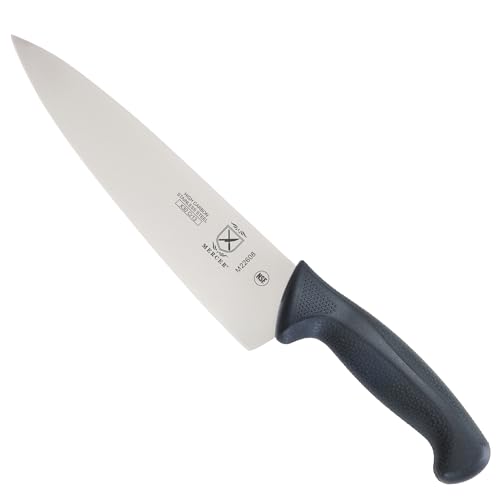
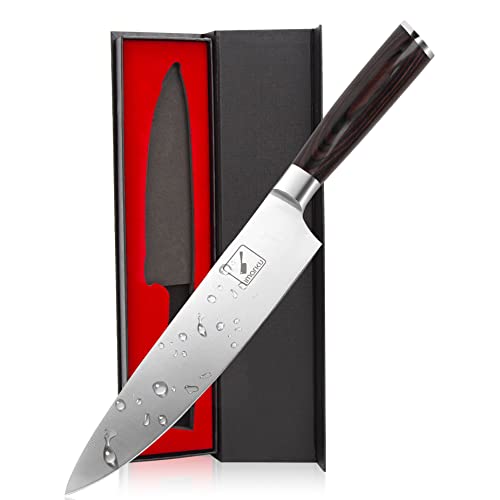
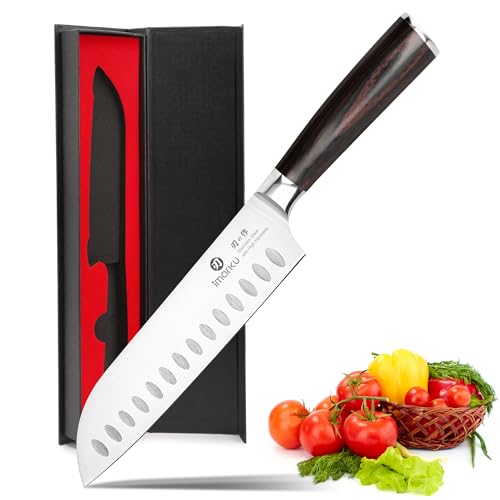
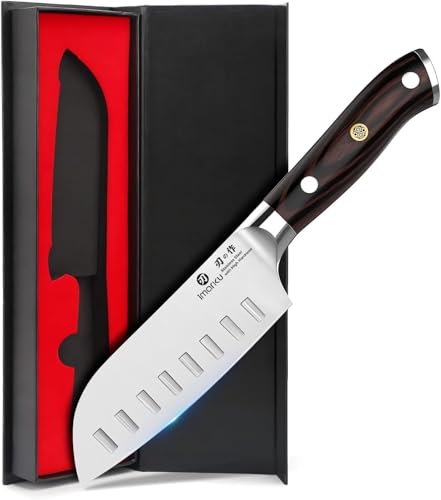
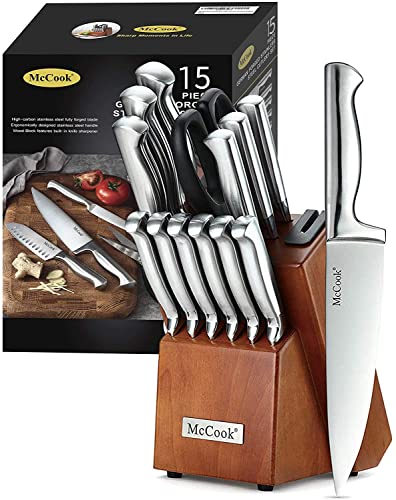
Chef’s Knife: A sharp chef’s knife is crucial for achieving the perfect dice on tomatoes and onions, ensuring even texture and flavor distribution. Alternatives include a serrated knife for tomatoes or a paring knife for smaller produce. Look for a knife with a comfortable grip and a well-balanced blade.
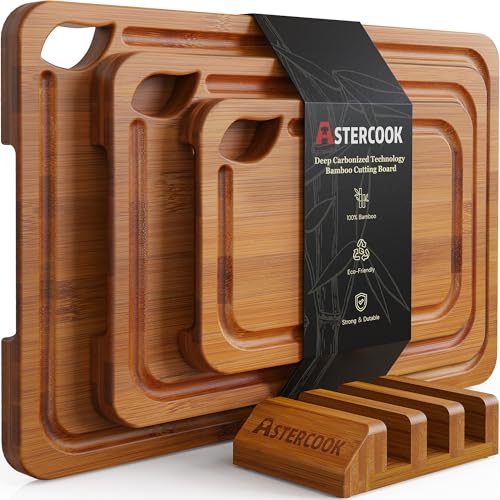
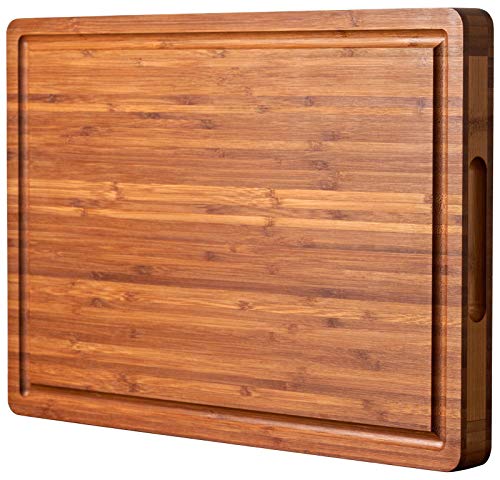
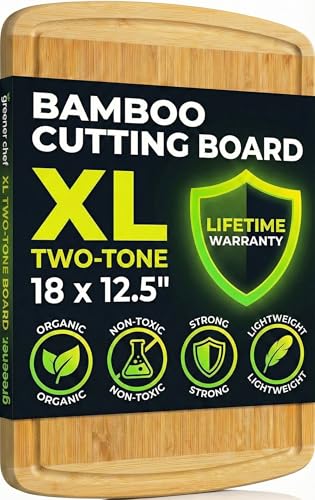
Cutting Board: A stable, non-slip cutting board provides a safe surface for chopping ingredients. Wooden or bamboo boards are gentle on knives, while plastic boards are dishwasher-safe for easy cleaning. Make sure it’s large enough to accommodate all ingredients without crowding.
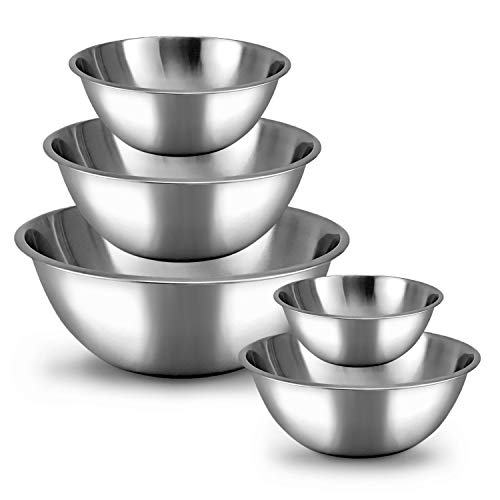
Mixing Bowl: A medium-sized mixing bowl allows you to combine ingredients thoroughly, ensuring even distribution of flavors. Stainless steel or glass bowls are ideal as they don’t absorb odors or flavors. Consider a bowl with a non-slip base for added stability.



Ingredients
Vegetables
|
|
| Amount | Ingredient | Notes |
|---|---|---|
| 4 medium | tomatoes | diced, seeds removed for less moisture |
| 1 medium | red onion | finely chopped for a mild, sweet flavor |
Seasonings
| Amount | Ingredient | Notes |
|---|---|---|
| 1 medium | jalapeño | deseeded and minced for controlled heat |
| 1 small | lime | juiced for acidity |
| 1/4 cup | fresh cilantro | chopped for herbal notes |
| 1/2 teaspoon | salt | to enhance flavors |
Preparation Methods
Dicing Tomatoes: Proper dicing is key to achieving a balanced texture in the salsa. Use a sharp knife to make clean cuts, removing seeds to prevent excess liquid. Practice consistent sizing for even mouthfeel.
Chopping Onions: Finely chopping onions ensures they blend seamlessly into the salsa, providing flavor without overpowering. Use a sharp knife and make horizontal and vertical cuts for uniform pieces.
Juicing Limes: Fresh lime juice adds necessary acidity and brightness. Roll the lime on the counter before cutting to maximize juice extraction. Use a citrus juicer for efficiency.



Step 1: Prepare Tomatoes

Begin by washing the tomatoes thoroughly.
Slice each tomato in half, remove the seeds, and discard them.
Dice the tomatoes into small, even pieces.
Ensure uniformity to achieve a balanced texture.


Step 2: Chop Red Onion

Peel the red onion and cut it in half.
Make horizontal and vertical cuts to finely chop the onion.
Ensure the pieces are small to blend well into the salsa.
Use a sharp knife to prevent bruising and bitterness.



Step 3: Mince Jalapeño
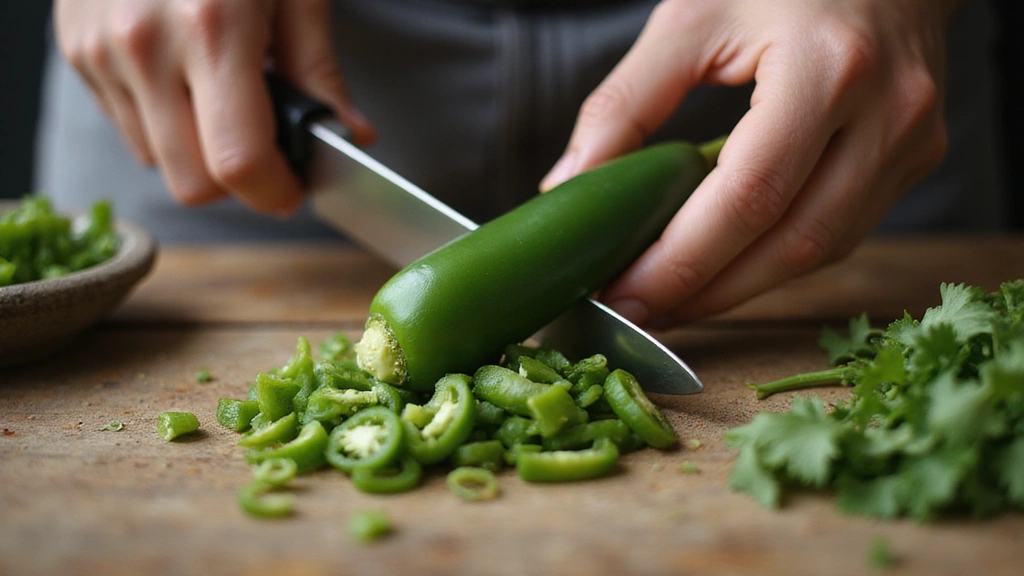
Slice the jalapeño in half and remove the seeds for less heat.
Mince the jalapeño finely for even spice distribution.
Add more or less depending on your spice preference.
Wear gloves if sensitive to pepper oils.
Step 4: Chop Cilantro

Rinse the cilantro under cold water to remove dirt.
Dry it thoroughly with a clean towel or salad spinner.
Chop the cilantro coarsely, stems included for added flavor.
Ensure even distribution in the salsa.




Step 5: Juice the Lime

Roll the lime on the counter to release juices.
Cut the lime in half crosswise.
Use a citrus juicer to extract the juice.
Ensure no seeds are included in the juice.
Step 6: Combine Ingredients

In a mixing bowl, combine diced tomatoes, chopped onion, minced jalapeño, and chopped cilantro.
Pour the lime juice over the mixture.
Add salt to taste.
Stir to combine all ingredients thoroughly.
Step 7: Adjust Seasoning

Taste the salsa to assess the balance of flavors.
Add more salt or lime juice if necessary.
Adjust jalapeño for desired spice level.
Mix again to incorporate any additional seasonings.




Step 8: Serve Fresh

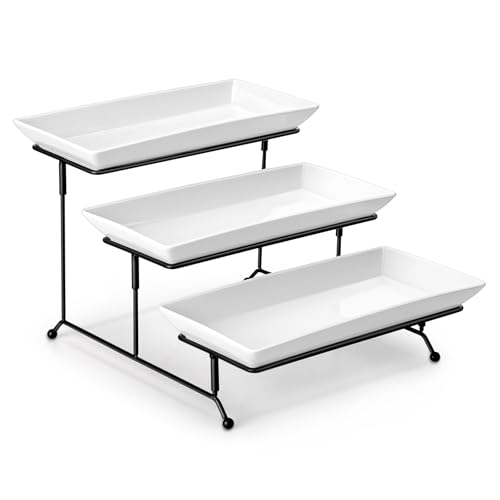
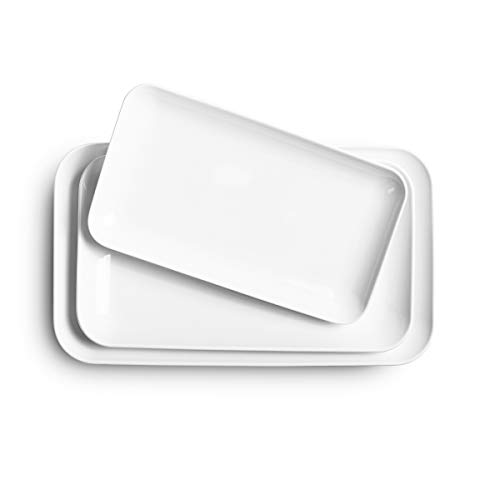
Transfer the salsa to a serving dish.
Garnish with a sprig of cilantro if desired.
Serve immediately or refrigerate to allow flavors to meld.
Enjoy as a dip, topping, or side dish.




Critical Timing and Temperature Guide
Tomato Preparation: Dice tomatoes just before combining to preserve their freshness. Look for a firm texture and vibrant color. Avoid letting them sit too long, as they can become soggy.
Mixing Ingredients: Mix ingredients gently to avoid mashing the tomatoes. Visual indicators of doneness include evenly coated vegetables. Common mistakes include overmixing, which can lead to a mushy salsa.
Serving Temperature: Serve salsa chilled or at room temperature. Refrigerate for at least 30 minutes if possible to allow flavors to meld. Avoid freezing, as it can alter texture and flavor.


Pro Tips for Fresh Tomato Salsa
• Ingredient Selection: Choose ripe, firm tomatoes and fresh cilantro for the best flavor and texture.
• Preparation Secret: Removing tomato seeds reduces excess moisture, preventing a watery salsa.
• Temperature Management: Serve chilled for a refreshing taste, but do not overchill as it can dull flavors.
• Texture Enhancement: Use a sharp knife to dice ingredients evenly for a consistent texture.
• Flavor Layering: Balance acidity and spice with lime juice and jalapeño for complex flavor.
• Make-Ahead Strategies: Prepare salsa up to a day in advance and store in an airtight container in the fridge.
• Restaurant-Quality Finishing Touches: Garnish with fresh cilantro and a lime wedge for an elegant presentation.
• Equipment Optimization: Use a serrated knife for tomatoes if a chef's knife isn't available.


Troubleshooting Common Issues
• Salsa Too Watery: Caused by not removing tomato seeds; strain excess liquid or add more chopped vegetables to balance.
• Flavors Unbalanced: If the salsa tastes too acidic, add a pinch of sugar; if too bland, add more salt or lime juice.
• Spice Level Too High: Dilute with additional tomatoes or onions; remove jalapeño seeds for less heat in future attempts.
• Salsa Lacks Freshness: Use fresher ingredients and avoid overmixing; prepare just before serving for maximum freshness.
• Texture Too Chunky: Chop ingredients more finely for a smoother salsa; ensure even dicing for consistency.

Variations and Regional Differences
• Mexican Style: Often includes roasted peppers or tomatillos for a smoky flavor, showcasing regional produce.
• Tex-Mex Variation: Incorporates corn or black beans for added texture and heartiness, popular in southwestern U.S.
• Pico de Gallo: A chunkier version with larger diced ingredients, often served as a side or topping in Mexican cuisine.
• Fruit-Infused Salsa: Adds diced mango or pineapple for a sweet, tropical twist, popular in Caribbean regions.



Food Science Behind the Recipe
• Acidity Balance: Lime juice provides acidity that balances sweetness from tomatoes, enhancing flavor perception.
• Enzymatic Browning Prevention: The acidity from lime juice also helps prevent the browning of produce, maintaining visual appeal.
• Flavor Extraction: Chopping ingredients releases essential oils and flavors, enhancing the overall taste profile of the salsa.




Frequently Asked Questions
What's the most common mistake people make when preparing Fresh Tomato Salsa? The most common mistake is not removing the seeds from the tomatoes, which can lead to a watery salsa.
Can I use canned tomatoes instead of fresh ones? While fresh tomatoes are recommended for the best flavor and texture, canned tomatoes can be used in a pinch, though they may alter the salsa's consistency.
How long can I store leftover salsa? Store leftover salsa in an airtight container in the refrigerator for up to three days.
Is it okay to freeze fresh tomato salsa? Freezing is not recommended as it can negatively impact the texture and flavor of the salsa.
How can I make my salsa less spicy? Remove the seeds and ribs from the jalapeño or use less of it to reduce the heat.
What other herbs can I use besides cilantro? Parsley or basil can be used as alternatives, but they will change the flavor profile of the salsa.
Can I add more vegetables to the salsa? Yes, adding vegetables like bell peppers or cucumbers can enhance the salsa's texture and flavor.
Serving and Presentation Guide
• Traditional Presentation: Serve in a rustic bowl with a sprig of cilantro as garnish, accompanied by tortilla chips.
• Modern Plating: Spoon salsa into individual ramekins for an elegant touch, ideal for dinner parties.
• Buffet Style: Offer salsa in a large, clear bowl to showcase its vibrant colors, alongside other dips and garnishes.
• Taco Topping: Serve as a topping for tacos, presented in a small dish with a spoon for easy self-service.


Conclusion
Fresh Tomato Salsa is a delightful dish that brings a splash of color and flavor to any table.
With its simple preparation and versatile use, it's a recipe you'll want to keep in your repertoire.
I encourage you to try this recipe and discover the joy of creating a fresh, homemade salsa.
Enjoy the vibrant taste of summer with every bite!