
Slow Cooker Recipes: Easy Meals, Less Effort!
Family-friendly dishes for busy people — quick prep, delicious results.
Grab yours for $4I discovered Yum Yum Sauce during my first visit to a hibachi grill, where its creamy, tangy allure instantly captivated my taste buds.
This versatile sauce, with its blend of savory and slightly sweet elements, complements a variety of dishes, from grilled meats to fresh vegetables.
Its delightful flavor profile has made it a staple in Japanese-American cuisine, often featured in restaurants and home kitchens alike.
Whether you’re a hibachi enthusiast or a curious home cook, this recipe is a must-try for elevating your culinary repertoire.
The History and Cultural Significance
• Yum Yum Sauce traces its origins to post-war America, where it was originally created by Japanese-American chefs.
• The dish evolved over decades as chefs experimented with proportions and ingredients, eventually becoming the beloved version we know today.
• In Japanese-American culture, this dish traditionally appears at hibachi grills, symbolizing fusion cuisine and culinary innovation.
• While many variations exist across different regions, the authentic version maintains a balance of creaminess and tang that sets it apart from imitations.


Recipe Overview
Nutritional Information (per serving)
Essential Equipment Guide
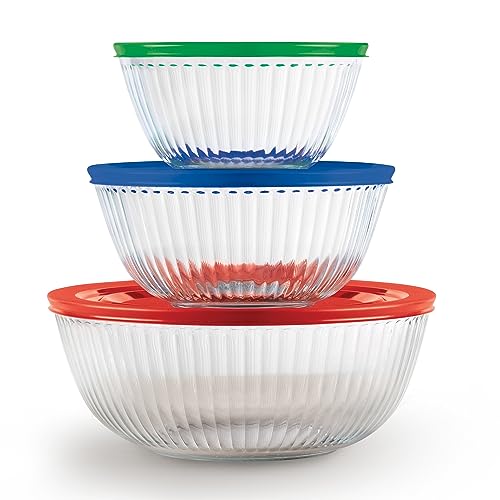
Mixing Bowl: Essential for combining ingredients evenly, allowing for proper flavor integration. Alternatives include a food processor for a smoother texture, but a simple bowl works best for maintaining the sauce’s traditional consistency.
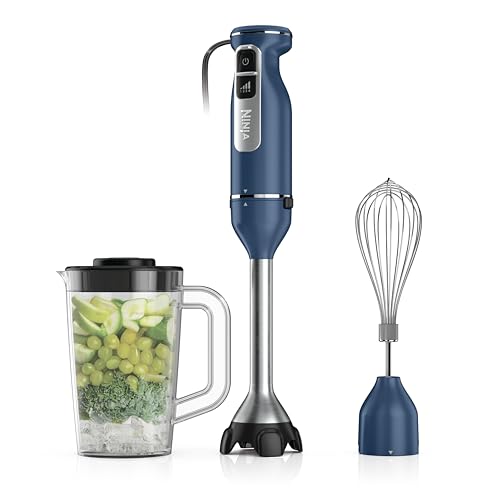
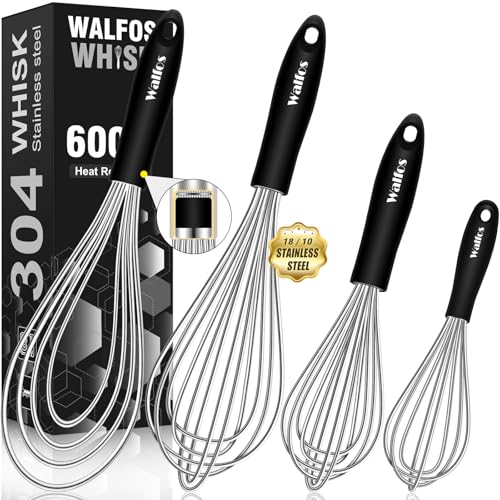
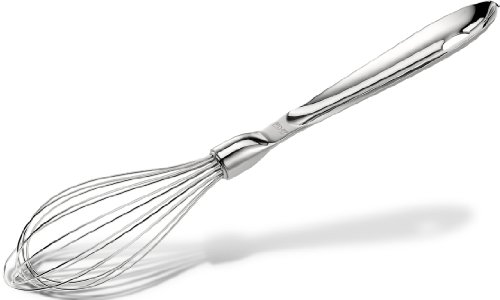
Whisk: This tool ensures the ingredients are thoroughly mixed, preventing the sauce from separating. A fork can work in a pinch, but a whisk provides superior aeration and texture.
Airtight Container: Important for storing the sauce to maintain freshness and prevent contamination. Look for containers with a secure lid to keep the sauce at its peak flavor.



Ingredients
For the Sauce
|
|
| Amount | Ingredient | Notes |
|---|---|---|
| 1 cup | mayonnaise | adds creaminess and body |
| 2 tablespoons | ketchup | provides sweetness and color |
| 1 tablespoon | rice vinegar | adds tanginess |
| 1 tablespoon | sugar | balances flavors |
| 1 tablespoon | melted butter | enhances richness |
| 1 teaspoon | garlic powder | adds depth |
| 1 teaspoon | paprika | provides subtle heat and color |
| 1/2 teaspoon | ground cayenne pepper | optional, for heat |
| 1 pinch | salt | enhances overall flavor |
Preparation Methods
Emulsification: This technique is crucial for combining the mayonnaise and melted butter, creating a uniform sauce. It matters because it prevents separation, ensuring smoothness. To master it, add the butter slowly while whisking vigorously.
Balancing Flavors: The key to this sauce is achieving the right balance between sweet, tangy, and savory. Taste as you mix, adjusting sugar and vinegar to suit personal preferences.
Resting the Sauce: Allowing the sauce to sit in the refrigerator for at least an hour helps meld the flavors, creating a more harmonious taste. Patience is key here, as the depth of flavor improves with time.



Step 1: Gather Your Ingredients
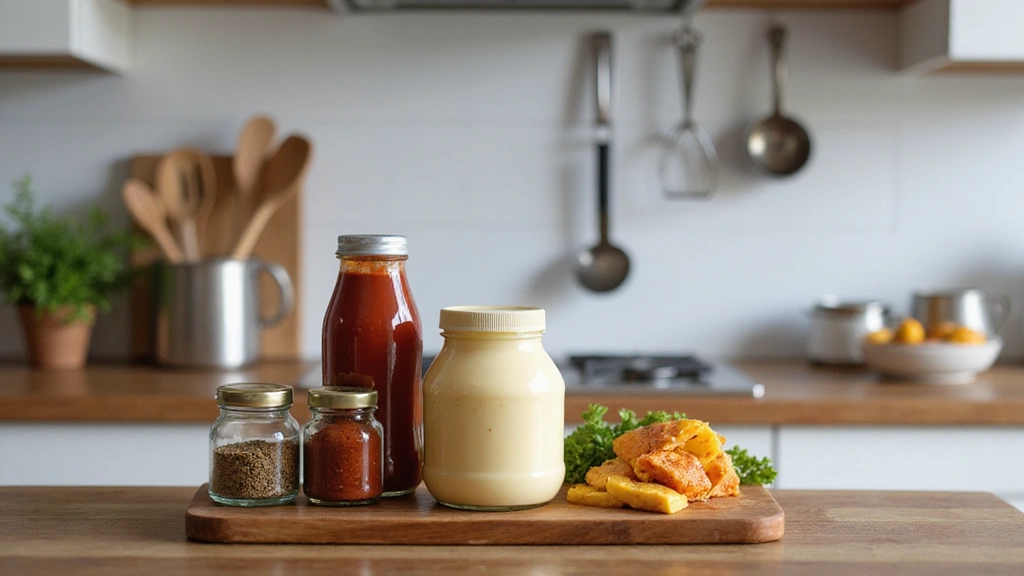
Lay out all the ingredients on your countertop.
Ensure the mayonnaise and butter are at room temperature for easier mixing.
Check that you have all the necessary spices and seasonings within reach.
Prepare your workspace for efficient assembly.
Step 2: Prepare the Mixing Bowl

Select a medium-sized mixing bowl for easy handling.
Ensure the bowl is clean and dry to prevent any unwanted moisture.
Place it on a stable surface to avoid spills.
This will be the base for combining your ingredients.


Step 3: Combine Mayonnaise and Ketchup

Add mayonnaise and ketchup to the mixing bowl.
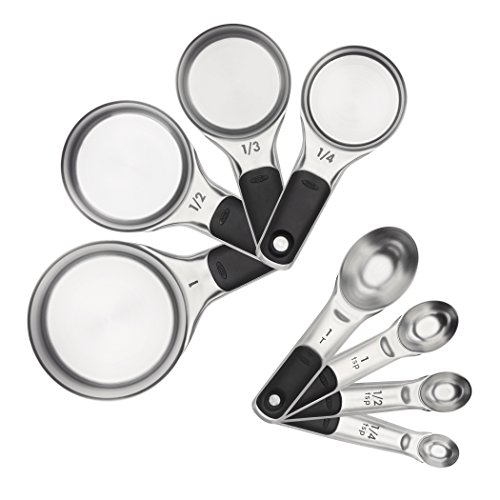
Use a spatula to scrape every last bit from the measuring cups.
Stir gently to begin blending the two components.
This forms the creamy, sweet base of your sauce.



Step 4: Add Sugar and Vinegar
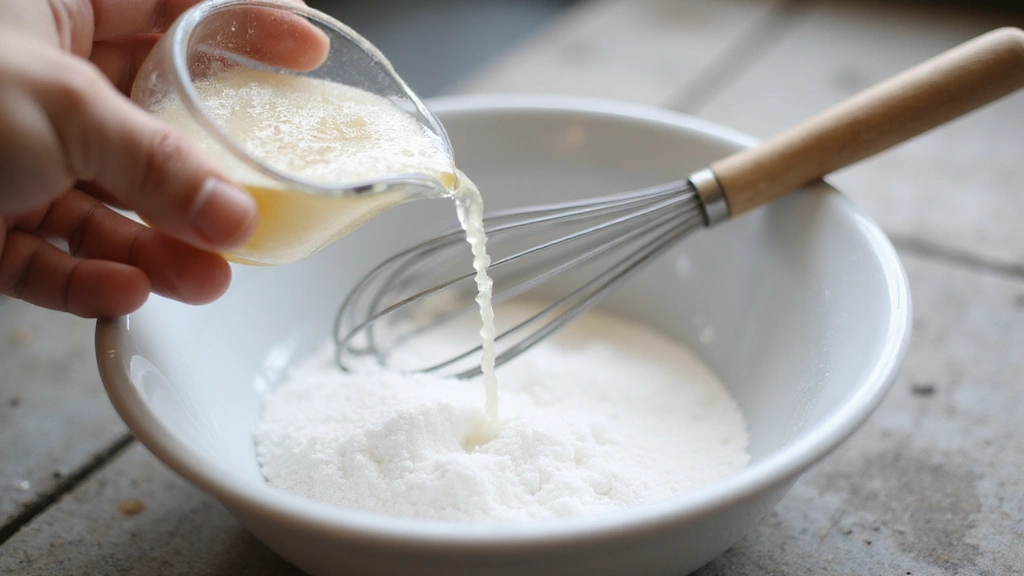
Measure and add sugar to the bowl.
Pour in the rice vinegar, carefully measuring to avoid over-acidity.
Mix thoroughly to dissolve the sugar.
This step balances the sweet and tangy elements of the sauce.




Step 5: Incorporate Melted Butter
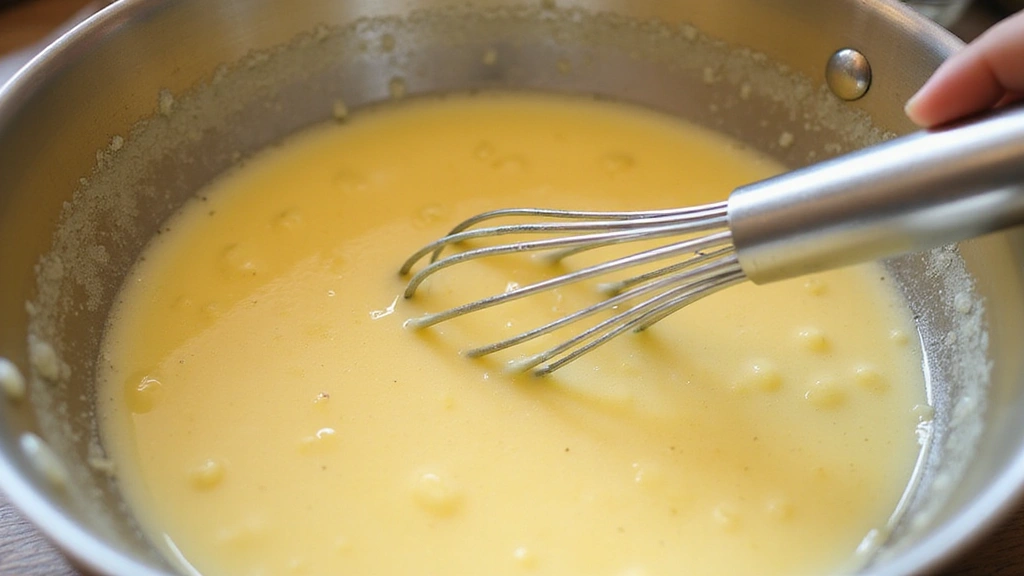
Slowly drizzle the melted butter into the mixture.
Whisk continuously to emulsify the fat with the mayonnaise.
Watch for a smooth, uniform consistency.
This adds a rich, buttery flavor to the sauce.



Step 6: Season with Spices

Add garlic powder, paprika, and optional cayenne to the bowl.
Sprinkle evenly across the top of the sauce.
Gently fold the spices into the mixture until evenly distributed.
This step enhances the sauce with depth and warmth.


Step 7: Adjust Seasoning
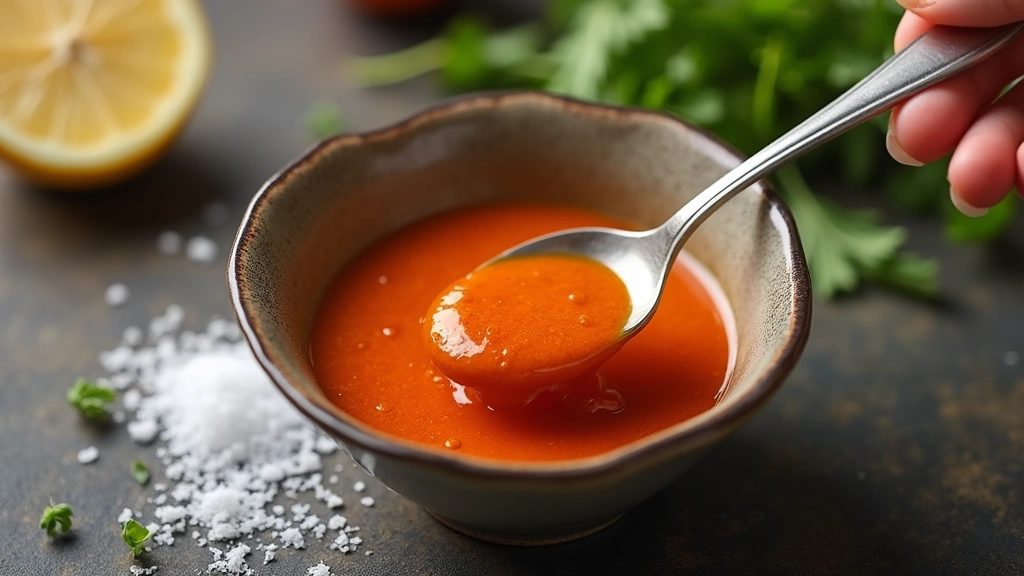
Taste the sauce to check the balance of flavors.
Add a pinch of salt if needed to enhance the overall taste.
Stir well after each addition to fully integrate.
This customizes the sauce to your personal preference.
Step 8: Refrigerate the Sauce
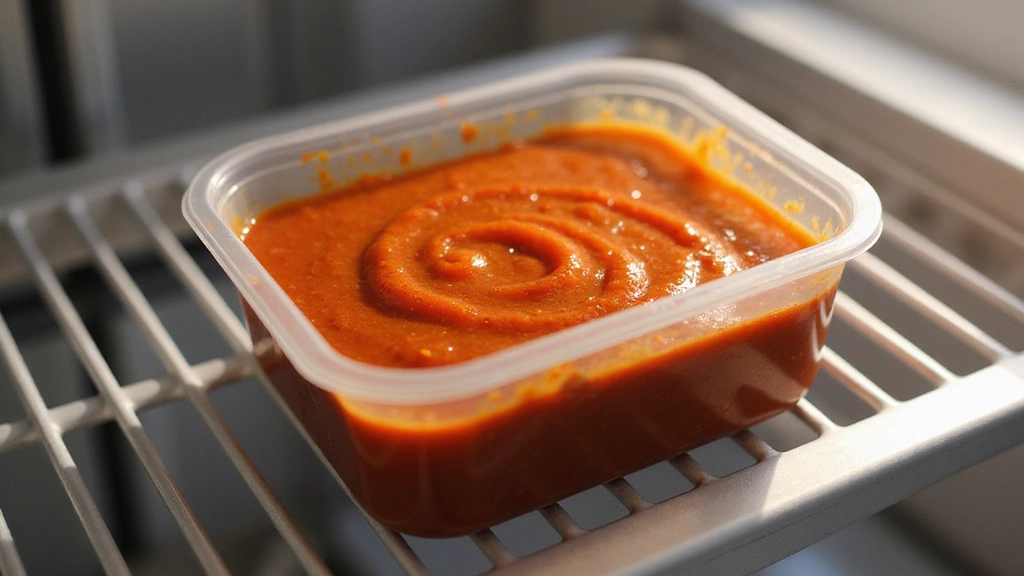
Transfer the sauce to an airtight container for storage.
Seal the container tightly to maintain freshness.
Refrigerate for at least one hour to meld the flavors.
This resting period is crucial for the sauce's development.
Critical Timing and Temperature Guide
Mixing Ingredients: Mix all ingredients immediately after preparation to prevent separation and ensure even flavor distribution. Avoid letting the sauce sit out at room temperature for too long, which can lead to spoilage.
Refrigeration: Chill the sauce for at least one hour to allow flavors to meld. If the sauce is too cold, let it sit at room temperature for 10 minutes before serving to enhance its flavors.
Serving Temperature: Serve the sauce slightly chilled to complement hot dishes. Avoid serving at room temperature, which can dull the flavors.

Pro Tips for Yum Yum Sauce
• Ingredient Selection: Choose high-quality mayonnaise, as it forms the base and significantly impacts the sauce's creaminess.
• Preparation Secret: Let the sauce rest longer than the recommended time for even deeper flavor integration.
• Temperature Management: Use room-temperature ingredients for easier mixing and better emulsification.
• Texture Enhancement: Whisk thoroughly to ensure a smooth, lump-free sauce.
• Flavor Layering: For a unique twist, add a few drops of sesame oil or soy sauce for depth and umami.
• Make-Ahead Strategies: Make the sauce a day in advance; it keeps well in the fridge for up to a week.
• Restaurant-Quality Finishing Touches: Garnish with a sprinkle of fresh chopped parsley for color and freshness.
• Equipment Optimization: A small, handheld whisk is ideal for achieving the perfect consistency without overmixing.



Troubleshooting Common Issues
• Separation: Occurs if the butter is added too quickly. Remedy by whisking vigorously to re-emulsify.
• Too Tangy: Caused by excess vinegar. Balance with a small amount of sugar and whisk thoroughly.
• Too Sweet: Often due to too much ketchup or sugar. Adjust by adding a touch more vinegar or salt.
• Spice Overload: If the cayenne is too strong, add more mayonnaise to dilute the heat.
• Lack of Flavor: Often from under-seasoning. Taste and add small amounts of salt, garlic powder, or paprika as needed.
Variations and Regional Differences
• Japanese Style: Incorporates a splash of soy sauce and mirin for additional umami and sweetness, reflecting traditional Japanese flavors.
• Southern Style: Uses a mix of hot sauce and Worcestershire sauce for a tangy, spicy kick, popular in Southern American cuisine.
• Vegan Variation: Substitutes mayonnaise with vegan mayo and butter with plant-based margarine, catering to vegan diets.
• Low-Calorie Version: Employs low-fat mayonnaise and reduces sugar content, maintaining flavor while cutting calories.
Food Science Behind the Recipe
• Emulsification: Understanding the process of emulsifying fat with liquid helps achieve a stable, creamy sauce without separation.
• Flavor Balance: The science of balancing acidic, sweet, and savory elements ensures a harmonious taste profile that satisfies the palate.
• Maillard Reaction: While not directly involved in the sauce, understanding this reaction enhances the pairing with grilled foods for deeper flavor.




Frequently Asked Questions
What's the most common mistake people make when preparing Yum Yum Sauce? Overmixing or using cold ingredients can lead to a separated sauce, so ensure everything is at room temperature and mixed gently.
Can I freeze Yum Yum Sauce? Freezing is not recommended, as it can alter the consistency and flavor profile drastically.
How long does Yum Yum Sauce last in the fridge? When stored properly in an airtight container, it can last up to one week.
Can I make this sauce less spicy? Yes, simply omit the cayenne pepper and adjust the paprika to your taste.
What dishes pair well with Yum Yum Sauce? It's perfect for grilled meats, seafood, vegetables, or as a dip for fries and chips.
Is there a non-dairy version of this sauce? Yes, substitute the mayonnaise with a non-dairy alternative, and use plant-based butter.
Can I use regular vinegar instead of rice vinegar? Rice vinegar is milder; if substituting, use less regular vinegar to avoid overpowering acidity.
Serving and Presentation Guide
• Traditional Presentation: Serve in a small dipping bowl alongside hibachi-style grilled meats and vegetables.
• Modern Twist: Drizzle over sushi rolls or poke bowls for a fusion of flavors.
• Casual Approach: Use as a spread in sandwiches or wraps for added creaminess and flavor.
• Buffet Style: Offer in a squeeze bottle for easy serving as part of a condiment bar.


Conclusion
With its rich, creamy texture and balanced flavor, Yum Yum Sauce is a delightful addition to any meal.
This versatile condiment elevates even the simplest dishes, making it a kitchen staple.
Try this recipe and discover how it transforms your favorite meals into something extraordinary.