
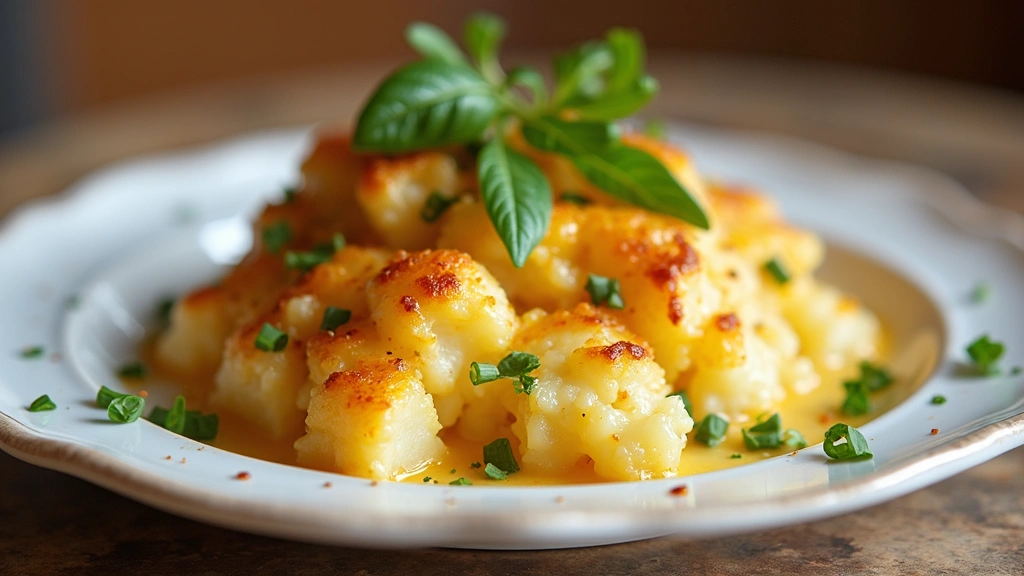
There’s something inherently comforting about a twice-baked potato casserole, especially when it’s creamy and cheesy.
The harmonious blend of creamy mashed potatoes, rich cheese, and savory bacon creates a dish that’s both indulgent and satisfying.
I first encountered this delightful recipe at a family gathering, where its warm, cheesy allure made it the star of the dinner table.
Whether you’re hosting a holiday feast or simply craving comfort food on a chilly evening, this twice-baked potato casserole is sure to impress.
Its simplicity in preparation belies the depth of flavor it delivers, making it a favorite for both novice and seasoned cooks alike.
The History and Cultural Significance
• Twice-Baked Potato Casserole traces its origins to Europe, where it was originally created by home cooks looking to make the most of simple ingredients.
• The dish evolved over decades as new cheese varieties and cooking techniques were introduced, eventually becoming the beloved version we know today.
• In American culture, this dish traditionally appears at Thanksgiving and Christmas dinners, symbolizing warmth and togetherness.
• While many variations exist across different regions, the authentic version maintains the use of rich, creamy mashed potatoes and sharp cheddar cheese that sets it apart from imitations.
Recommended Products

7x11 INCH: Includes (1) 7x11x2.75 inch glass baking dish with BPA-free plastic lid. This deep baking dish is essential to have in any kitchen as they are versatile in use from prepping to baking and storing.

FREEZER-TO-OVEN: Thermal shock-resistant borosilicate glass allows this baking dish to go from the freezer directly to the oven without cracking. Ideal for meal prep, potlucks, entertaining, and convenient for everyday cooking and storage needs.

Au Gratin Dishes: Buttery potatoes, sizzling with cheese, topped with crispy breadcrumbs... the secret to the perfect gratin is the perfect pan, and these dishes are designed to do just that

Recipe Overview
Recommended Products

Mashing Potatoes Made Easy - Don’t you wish you can create perfectly smooth and fluffy mash potato with less effort? With our PriorityChef ricer masher kitchen tool, you can achieve a creamy, heavenly dish quickly and conveniently. Simply squeeze on the long handle of our potato press for perfect mash

Effortlessly Mash Potatoes - Say goodbye to lumpy or uneven mashed potatoes with our Potato Ricer! Featuring a generous 15 oz capacity cup and 3mm press holes for smoother results and no clogging. The additional perforations enable quicker preparation of delicious mashed potatoes!

Unique twisting action makes ricing potato easier
Nutritional Information (per serving)
Recommended Products

Rich, tangy and buttery, Sargento Sharp Cheddar Shredded Natural Cheese, Fine Cut, plays beautifully in casseroles and breakfast sandwiches

One 8-ounce bag of Shredded Triple Cheddar Cheese

Straight off the Block^New Package Same Amount of Cheese!^ZIP-PAK Reclose able packaging^8 Servings per package
Essential Equipment Guide
Baking Dish: A sturdy baking dish is crucial for even cooking and achieving a golden-brown crust. A glass or ceramic dish is preferred for its heat distribution and presentation qualities.
Potato Masher: Essential for achieving a smooth, creamy texture in the mashed potatoes. A ricer or food mill can be used as alternatives for an even finer consistency.
Oven: An accurate oven is vital to ensure the casserole is baked evenly. Consider using an oven thermometer to verify the temperature, ensuring perfect results every time.
Recommended Products

Includes one 6 ounce package of HORMEL Real Bacon Bits

Includes twelve 4.3 ounce packages of HORMEL Real Crumbled Bacon Topping

REAL BACON FLAVOR: Imitation bacon bits offer the smoky flavor of bacon; artificially flavored and textured to resemble bacon pieces for meat-free dishes

Ingredients
Recommended Products

【MEET YOUR ALL NEEDS】MALACASA casserole dishes for oven measure 15.6"L x 9.2"W x 3.1"H (including handle size)-142 OZ, straight-sided design allowing it to hold a larger capacity. Perfect for cooking lasagna, casseroles, chicken, roast, bread, pasta, beef, and more. Whether you're preparing a family dinner or serving, this versatile casserole dish has got you covered.

10 PIECES: This 10-piece ceramic stoneware bakeware set includes 3 sizes dishes perfect for any casserole or serving need. Includes: (1) 2.5-qt Oval Baking Dish with Glass and Plastic Lids, (1) 1.5-qt Oval Baking Dish with Glass and Plastic Lids, (2) 15-oz Oval Baking Dishes, and (2) 4-oz Ramekins.

SET INCLUDES: 7.5- x 6-inch rectangular baking dish, 9-inch oval baking dish, 9- x 9-inch square baking dish with lid
For the Base
|
| Amount | Ingredient | Notes |
|---|---|---|
| 6 large | russet potatoes | peeled and cubed for even cooking |
| 1 cup | sour cream | adds creaminess and tang |
| 0.5 cup | butter | melted, for richness |
| 1 teaspoon | salt | enhances flavor |
| 0.5 teaspoon | black pepper | freshly ground, for seasoning |
For the Topping
| Amount | Ingredient | Notes |
|---|---|---|
| 2 cups | cheddar cheese | shredded, for gooey texture |
| 8 slices | bacon | cooked and crumbled, for savory crunch |
| 2 tablespoons | chives | chopped, for garnish |
Preparation Methods
Boiling Potatoes: Boiling potatoes until tender is key to achieving the creamy texture needed for this dish. Ensure to start with cold water and bring to a boil to cook evenly.
Mashing Technique: Proper mashing technique ensures a smooth, lump-free potato base. Use a ricer or masher, and incorporate butter and sour cream gradually for the perfect consistency.
Baking to Perfection: Baking the casserole in two stages is essential. The first bake ensures the potatoes are set, while the second develops a golden, cheesy crust.
Recommended Products

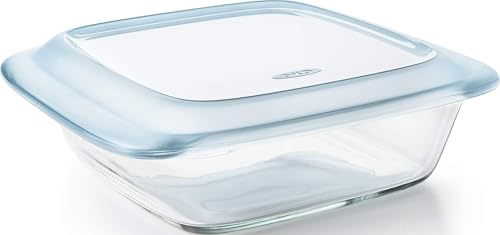
Strong, borosilicate glass construction for freezer to oven use Withstands extreme temperature changes without the risk of cracking or shattering
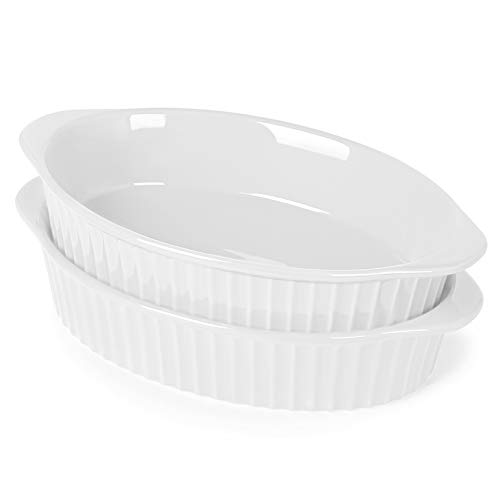
Oval design: The size is 8.7"Lx5.3"Wx1.8"H.Baking dish set for 1 or 2 person servings


Step 1: Prepare Ingredients
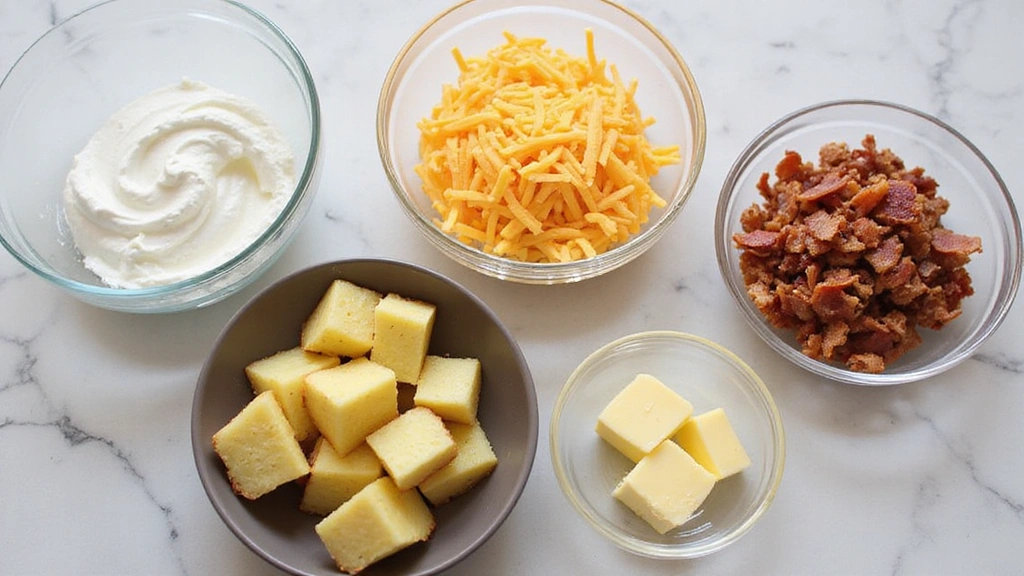
Gather all ingredients and equipment needed for the recipe.
Peel and cube the potatoes for even cooking.
Measure out the sour cream, butter, cheese, and seasonings.
Ensure bacon is cooked and crumbled before starting.
Recommended Products

Perfect for making smooth, fluffy mashed potatoes

Stainless Steel Potato Masher - Making light and fluffy mashed potatoes has never been easier. Crafted from sturdy, durable 18/8 stainless steel, this rust-resistant and deformation-proof masher will be your kitchen's lifelong companion.

【Efficiently Potato Masher】We have designed this potato ricer stainless steel with a soft, non-slip long grip that lets you squeeze effortlessly without straining your wrist. Helping you make fluffy mashed potatoes effortless and efficiently.
Step 2: Boil Potatoes
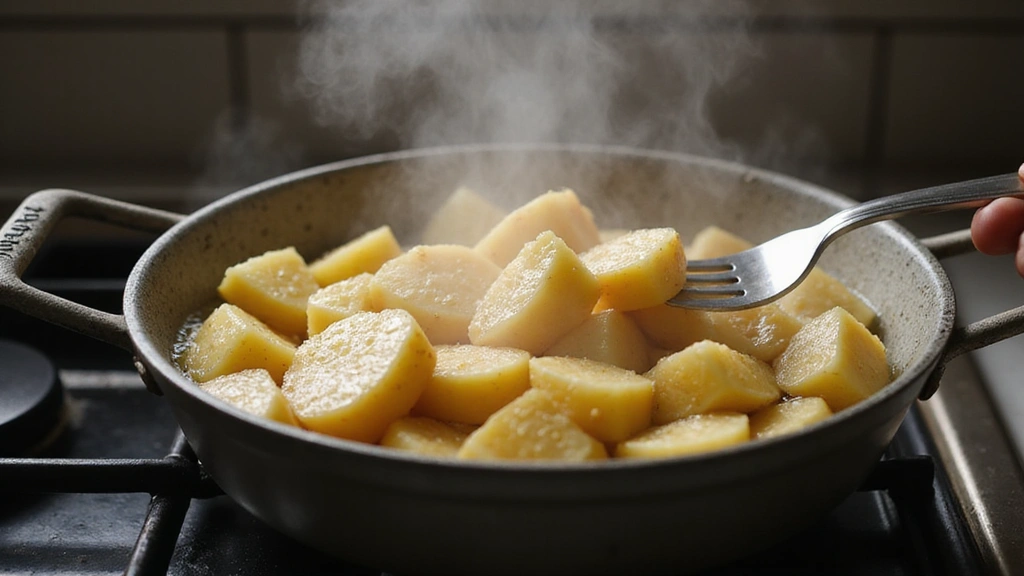
Place cubed potatoes in a large pot and cover with cold water.
Bring to a boil over medium-high heat, then reduce heat to simmer.
Cook until potatoes are fork-tender, about 15-20 minutes.
Drain potatoes thoroughly to remove excess water.
Recommended Products

365 by Whole Foods Market products give you that dance-down-the-aisles feeling, virtual aisles too! Our huge range of choices with premium ingredients at prices you can get down with makes grocery shopping so much more than tossing the basics in your cart.

One 8 oz bag of Kraft Natural Sharp Cheddar Shredded Cheese

One 16-ounce bag of Shredded Mild Cheddar Cheese Blend


Step 3: Mash Potatoes
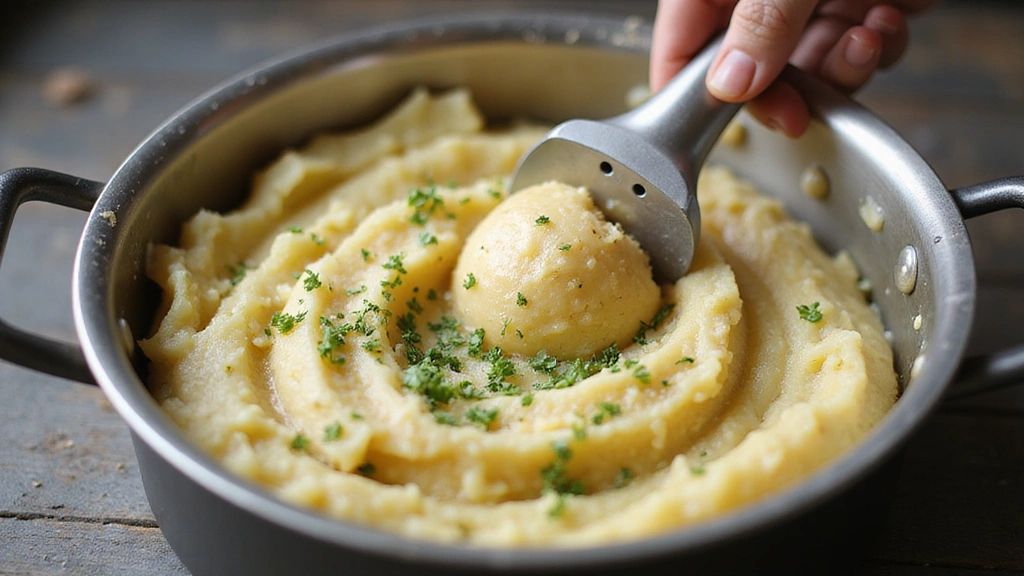
Return drained potatoes to the pot and mash using a potato masher.
Gradually add melted butter, incorporating fully.
Stir in sour cream, salt, and pepper until smooth and creamy.
Taste and adjust seasoning if necessary.
Recommended Products
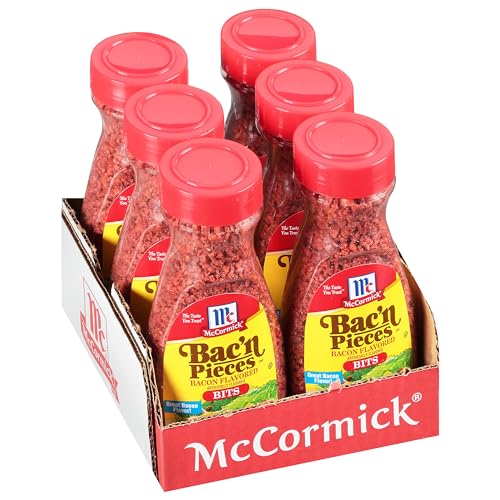
Delivers meaty bacon taste and crunchy texture
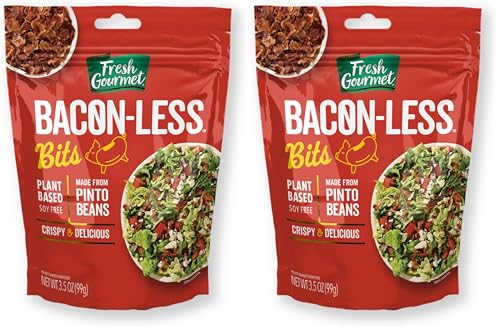

100% real bacon crumbles


Step 4: Assemble Casserole
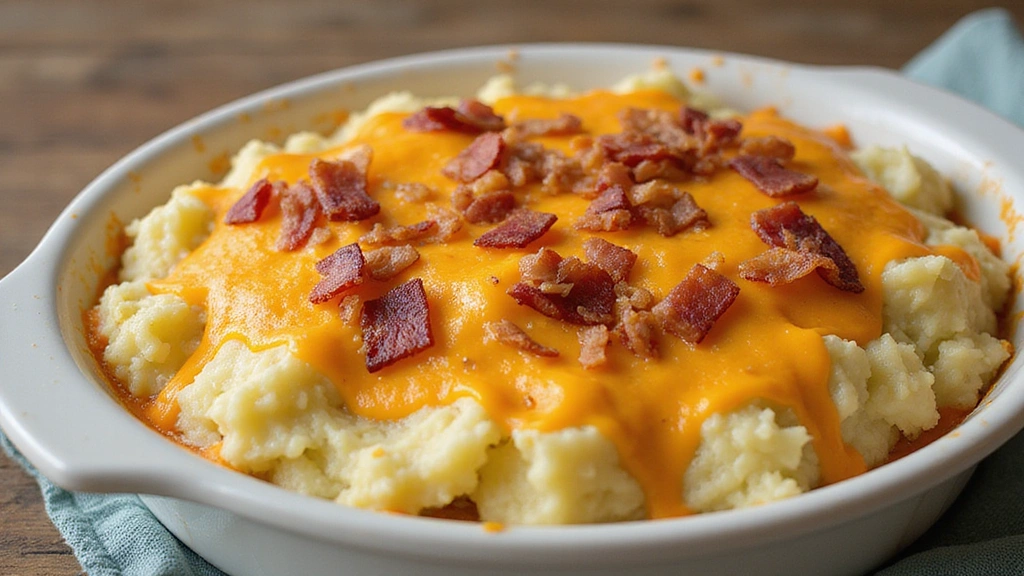
Preheat oven to 350°F (175°C).
Spread mashed potato mixture evenly in a greased baking dish.
Sprinkle shredded cheddar cheese over the top.
Distribute crumbled bacon evenly over the cheese layer.
Recommended Products

【3 SIZES TO MEET ALL NEEDS】(Including handles size) ①14.5"L x 8.5"W x 3.3"H, 4QT ②13"L x 7.5"W x 2.9"H, 2.8QT ③10.5"L x 6.5"W x 2.5"H, 1.5QT. This baking dish set is great for cooking casseroles, roast chicken, lasagna, pasta, mashed potatoes, bread, and cake. Meet all your needs in the kitchen, from individual servings to large family meals, you can effortlessly find the perfect size

𝐏𝐥𝐞𝐚𝐬𝐞 𝐧𝐨𝐭𝐞 𝐭𝐡𝐚𝐭 𝐭𝐡𝐢𝐬 𝐛𝐚𝐤𝐢𝐧𝐠 𝐝𝐢𝐬𝐡 𝐜𝐚𝐧𝐧𝐨𝐭 𝐛𝐞 𝐮𝐬𝐞𝐝 𝐨𝐧 𝐨𝐩𝐞𝐧 𝐟𝐥𝐚𝐦𝐞𝐬 𝐨𝐫 𝐢𝐧𝐝𝐮𝐜𝐭𝐢𝐨𝐧 𝐜𝐨𝐨𝐤𝐭𝐨𝐩𝐬, 𝐚𝐬 𝐮𝐧𝐞𝐯𝐞𝐧 𝐡𝐞𝐚𝐭𝐢𝐧𝐠 𝐚𝐧𝐝 𝐬𝐮𝐝𝐝𝐞𝐧 𝐭𝐞𝐦𝐩𝐞𝐫𝐚𝐭𝐮𝐫𝐞 𝐜𝐡𝐚𝐧𝐠𝐞𝐬 𝐜𝐚𝐧 𝐜𝐚𝐮𝐬𝐞 𝐭𝐡𝐞 𝐜𝐞𝐫𝐚𝐦𝐢𝐜 𝐭𝐨 𝐜𝐫𝐚𝐜𝐤.

【REVOLUTIONARY GLASS-CERAMIC MATERIAL】Unlike ordinary borosilicate glass, our bakeware is crafted from premium glass-ceramic, a highly heat-resistant space-age material. It withstands extreme temperatures up to 800°C and a thermal shock range of 550°C. You can safely transfer it directly from the freezing refrigerator to a preheated hot oven or open flame without any cracking risks.


Step 5: First Bake
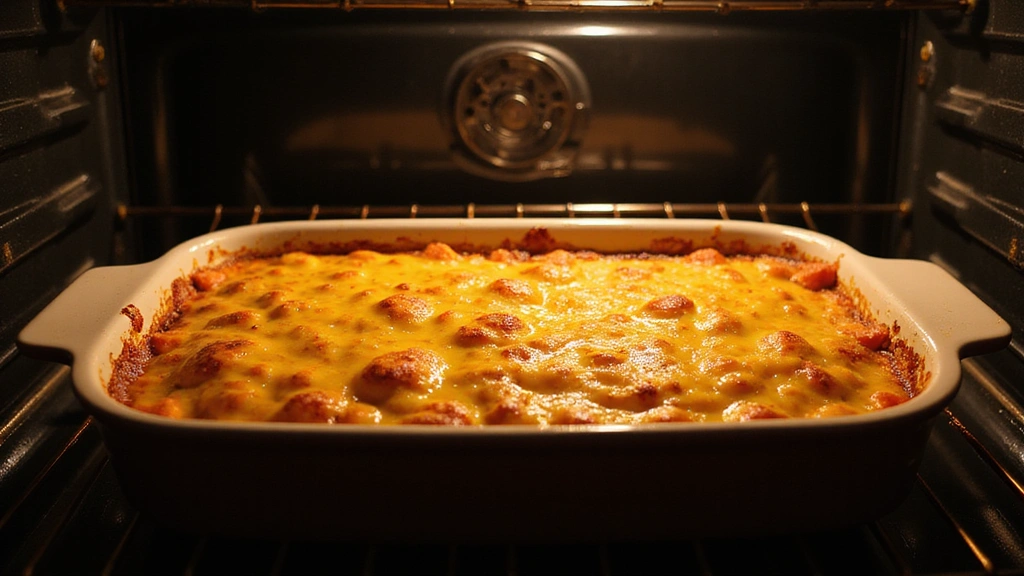
Place the assembled casserole in the preheated oven.
Bake for 25-30 minutes until the cheese is melted and bubbly.
Check to ensure the center is heated through.
Remove from oven for the next step.
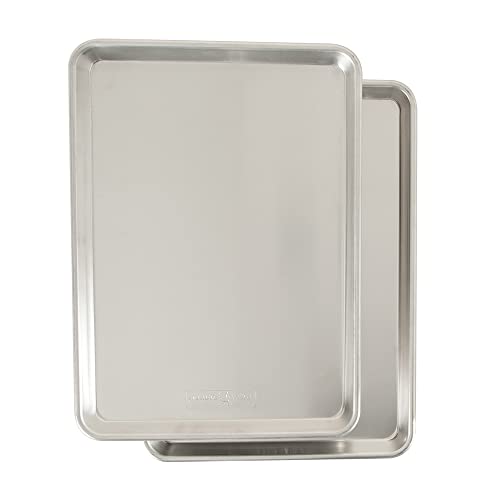


Step 6: Add Final Toppings
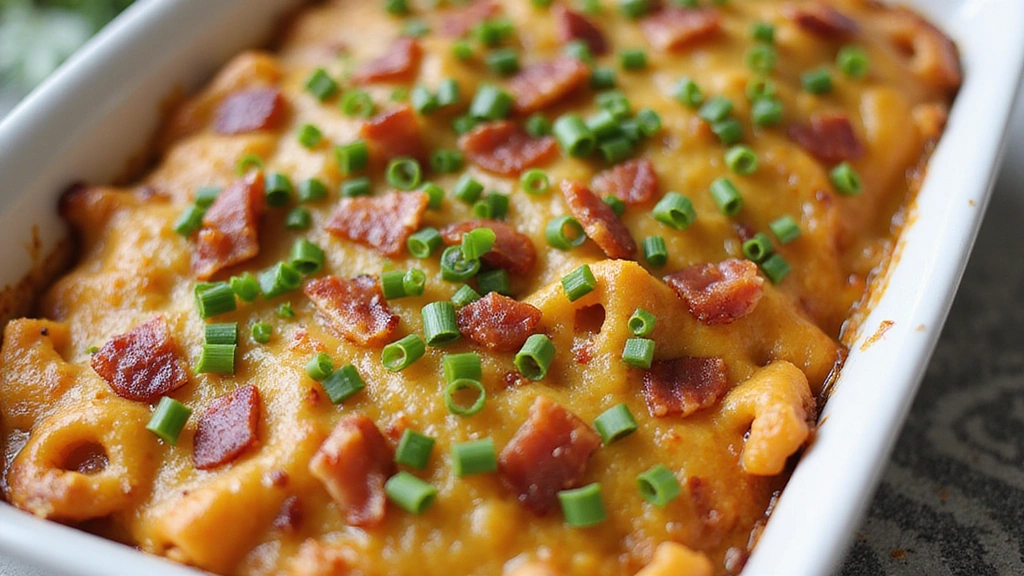
Sprinkle chopped chives over the baked casserole.
Add any additional cheese or bacon if desired.
Ensure the toppings are evenly distributed for a balanced flavor.
Prepare for the second bake.


Step 7: Second Bake
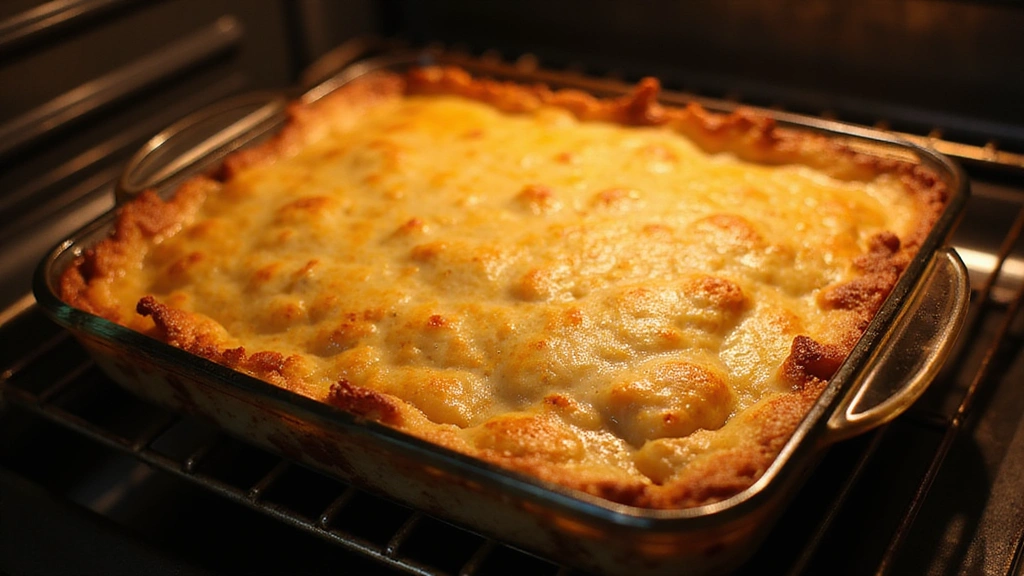
Return the casserole to the oven for an additional 10-15 minutes.
Bake until the top is golden brown and crispy.
Watch carefully to prevent burning.
Remove from oven when the desired crust is achieved.


Step 8: Serve and Enjoy
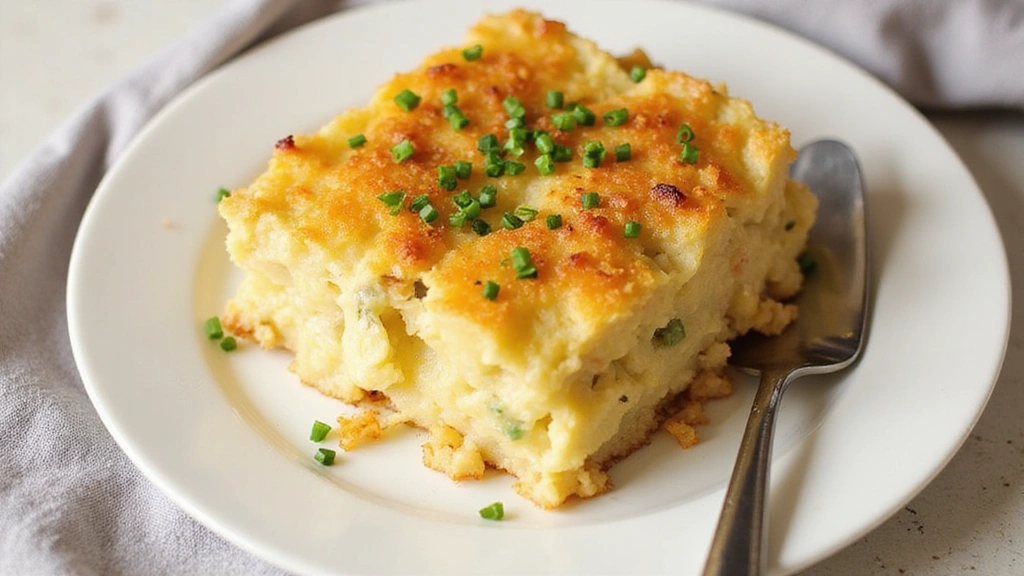
Let the casserole cool slightly before serving.
Cut into portions using a sharp knife or spatula.
Serve hot, garnished with extra chives if desired.
Enjoy the creamy, cheesy delight with your favorite sides.

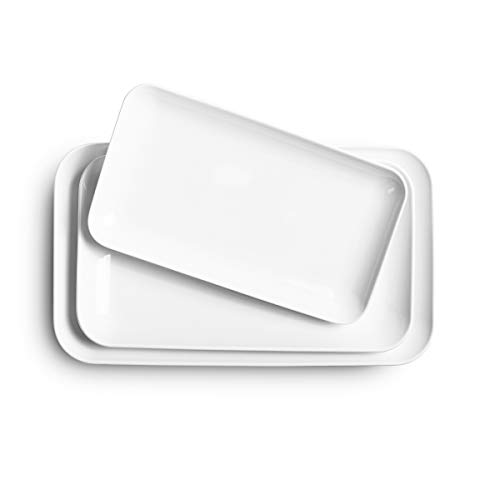

Critical Timing and Temperature Guide
Boiling Potatoes: Boil potatoes for 15-20 minutes until fork-tender; avoid overcooking as this can lead to watery mash.
First Bake: Bake at 350°F (175°C) for 25-30 minutes until cheese is melted; avoid opening the oven door frequently to maintain consistent temperature.
Second Bake: Bake at 350°F (175°C) for an additional 10-15 minutes until golden brown; watch carefully to prevent burning the top layer.


Pro Tips for Twice-Baked Potato Casserole
• Ingredient Selection: Choose russet potatoes for their starchy texture, which results in the creamiest mash.
• Preparation Secret: Add a pinch of baking soda to the boiling water to help potatoes break down more easily, enhancing creaminess.
• Temperature Management: Allow mashed potatoes to cool slightly before adding cheese to prevent it from melting prematurely.
• Texture Enhancement: For a fluffier texture, whip the potatoes with a hand mixer after mashing.
• Flavor Layering: Use smoked bacon and sharp cheddar to add depth and complexity to the flavor profile.
• Make-Ahead Strategies: Prepare the mashed potatoes a day in advance, storing in the refrigerator, then assemble and bake on the day of serving.
• Restaurant-Quality Finishing Touches: Garnish with freshly chopped herbs like parsley or chives for a pop of color and freshness.
• Equipment Optimization: Use a ricer for the smoothest mashed potatoes, minimizing lumps and enhancing texture.


Troubleshooting Common Issues
• Potatoes Too Watery: This often happens if potatoes are overboiled. Ensure to drain thoroughly and allow steam to escape before mashing.
• Cheese Not Melting: Ensure the cheese is at room temperature before adding to aid in even melting. Use freshly shredded cheese for best results.
• Texture Too Dense: Over-mixing can lead to a gluey texture. Mash gently and incorporate ingredients slowly.
• Flavors Unbalanced: Taste and adjust seasoning before baking to ensure a balanced flavor profile.
• Top Layer Burned: Cover with foil if the top browns too quickly, then remove foil for the last few minutes of baking.
• Casserole Dry: Ensure sufficient butter and sour cream are used for a moist and creamy texture.

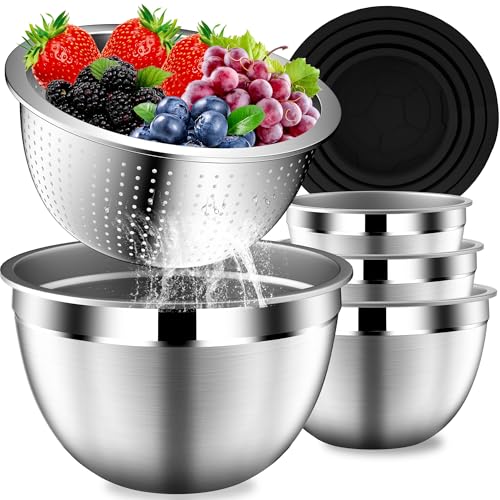

Variations and Regional Differences
• French Style: Known as 'Gratin Dauphinois', this version uses cream and garlic but omits bacon for a more delicate flavor.
• Southern Style: Incorporates additional spices like paprika and cayenne for a kick, and uses pepper jack cheese.
• Italian Twist: Features parmesan cheese and prosciutto, with the addition of rosemary for an aromatic finish.
• Vegetarian Option: Omits bacon, instead using sautéed mushrooms or roasted vegetables for a hearty, plant-based version.
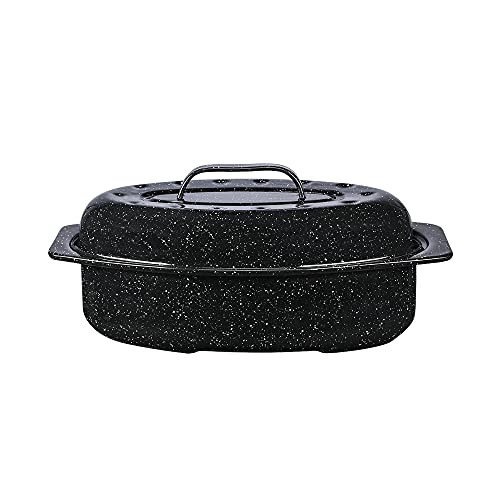


Food Science Behind the Recipe
• Starch Gelatinization: Understanding the role of starch in potatoes helps achieve the perfect creamy texture by choosing the right potato variety.
• Maillard Reaction: This creates the golden-brown crust on top when baking, enhancing flavor and visual appeal.
• Emulsification: The combination of butter and sour cream creates a stable emulsion, resulting in a smooth, creamy texture.


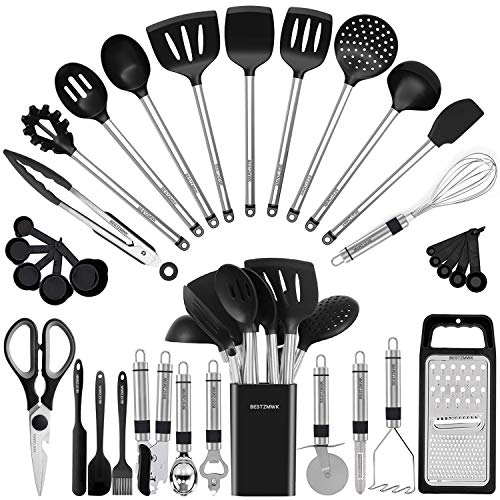
Frequently Asked Questions
What's the most common mistake people make when preparing Twice-Baked Potato Casserole? Overcooking the potatoes, which can lead to a watery, gluey texture.
Can this recipe be made in advance? Yes, you can prepare the mashed potatoes and store them in the refrigerator, assembling and baking the casserole on the day of serving.
What's the best type of cheese to use? Sharp cheddar is recommended for its strong flavor, but you can mix in other cheeses like Monterey Jack for variety.
How do I ensure the top layer doesn't burn? Cover the dish with foil if it browns too quickly, removing it in the last few minutes of baking to crisp up the top.
Can I add other ingredients to the casserole? Absolutely, ingredients like chives, green onions, or even cooked broccoli can add additional flavor and texture.
How do I avoid lumps in mashed potatoes? Using a ricer or food mill helps achieve a smooth, lump-free texture.
Why is my casserole dry? Ensure you're using enough butter and sour cream to keep the potatoes moist and creamy.
Serving and Presentation Guide
• Traditional Presentation: Serve in the baking dish, garnished with fresh chives, for a rustic and inviting presentation.
• Individual Portions: Use ramekins for individual servings, which makes for an elegant and personalized touch.
• Buffet Style: Serve in a large casserole dish with a decorative spoon, allowing guests to help themselves.
• Family Style: Present on a wooden board with a selection of toppings like chives, bacon bits, and extra cheese for guests to customize.


Conclusion
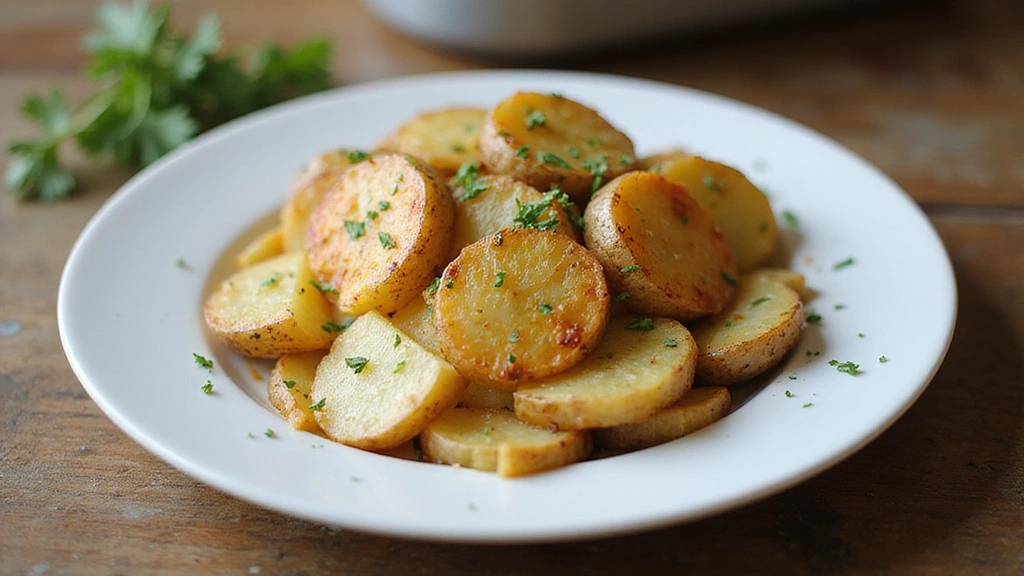
This Twice-Baked Potato Casserole is more than just a side dish; it's a comforting, indulgent experience.
With its creamy texture and cheesy goodness, it’s bound to become a favorite at any gathering.
I encourage you to try this recipe and share the joy of a homemade, hearty meal with your loved ones.