
Slow Cooker Recipes: Easy Meals, Less Effort!
Family-friendly dishes for busy people — quick prep, delicious results.
Grab yours for $4The allure of cold brew coffee lies in its silky smoothness and robust, yet mellow flavor.
Born from the simplicity of slow steeping, it offers a refreshing twist on the classic hot brew.
As the temperature rises, there’s nothing quite like a chilled glass of cold brew to invigorate and refresh.
I first fell in love with this drink during a summer trip to New Orleans, where its cool embrace was a welcome relief from the Southern heat.
Whether you’re a seasoned coffee aficionado or just exploring the world of coffee, this cold brew recipe is sure to become a staple in your repertoire.
Prepare to delight your senses and impress your friends with a perfectly brewed cup.
The History and Cultural Significance
• Cold Brew Coffee traces its origins to Japan in the 1600s, where it was originally created by Dutch traders using cold water to brew coffee concentrates.
• The drink evolved over decades as the brewing techniques refined, eventually becoming the beloved version we know today with its smooth, low-acid profile.
• In the United States, this drink traditionally appears during hot summer months, symbolizing refreshment and innovation in the coffee industry.
• While many variations exist across different regions, the authentic version maintains a long steeping process that sets it apart from imitations.
Recipe Overview
Nutritional Information (per serving)
Essential Equipment Guide
French Press: Essential for steeping coffee grounds and separating the brew from sediment. Alternatives include a dedicated cold brew maker or a large mason jar with a strainer. Look for a press with a fine mesh filter to ensure a clear brew.
Grinder: Crucial for achieving a coarse grind, which is ideal for cold brew. A burr grinder is recommended for consistency, but a standard blade grinder can work in a pinch. Consistent grind size is key to prevent over-extraction.
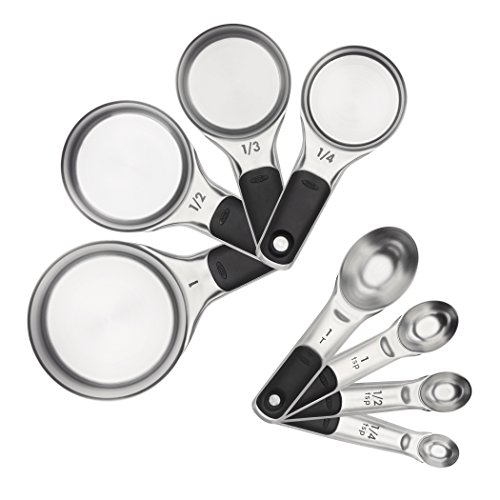
Measuring Cup: Important for accurately measuring coffee and water ratios. Alternatives include a kitchen scale for precise measurements. Ensure measurements are exact to maintain flavor balance.




Ingredients
For the Brew
|
|
| Amount | Ingredient | Notes |
|---|---|---|
| 1 cup | coarse coffee grounds | preferably a medium to dark roast for richness |
| 4 cups | cold water | filtered, to enhance purity and flavor |
Preparation Methods
Coarse Grinding: A coarse grind is crucial for cold brew as it prevents over-extraction and bitterness. Use a burr grinder for the best results. Aim for a consistency resembling sea salt.
Slow Steeping: This technique involves immersing coffee grounds in cold water for an extended period, typically 12-24 hours. It allows for a smoother, less acidic brew. Be patient and avoid stirring during steeping.
Filtering: After steeping, the coffee must be filtered to remove grounds. A French press is ideal for this, but a fine-mesh sieve or cheesecloth can work. Ensure the filter is fine enough to catch all sediment.


Step 1: Prepare Coffee Grounds
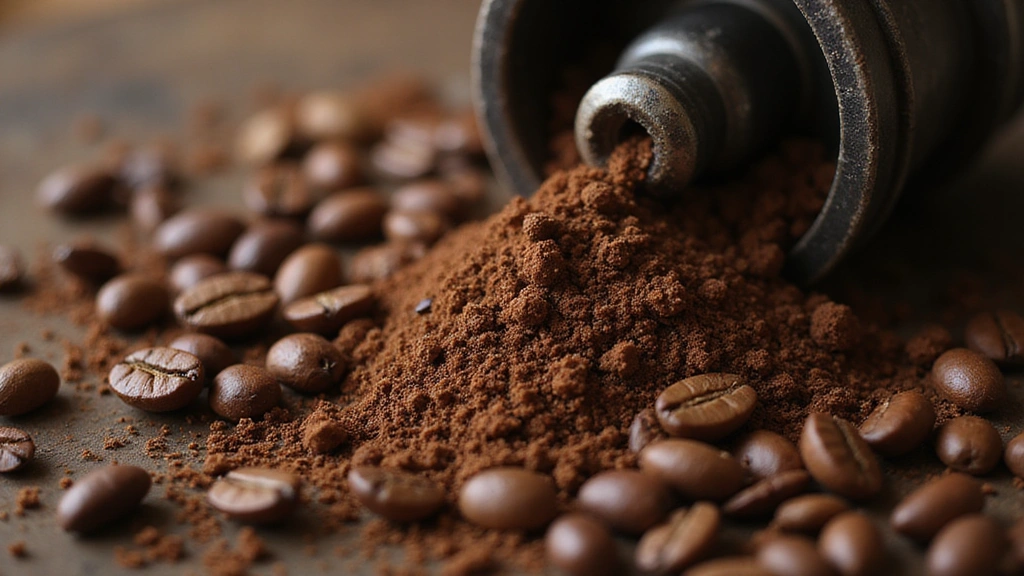
Measure one cup of coffee beans.
Use a burr grinder to achieve a coarse grind.
The consistency should resemble sea salt.
Avoid grinding too fine to prevent bitterness.


Step 2: Mix Coffee and Water
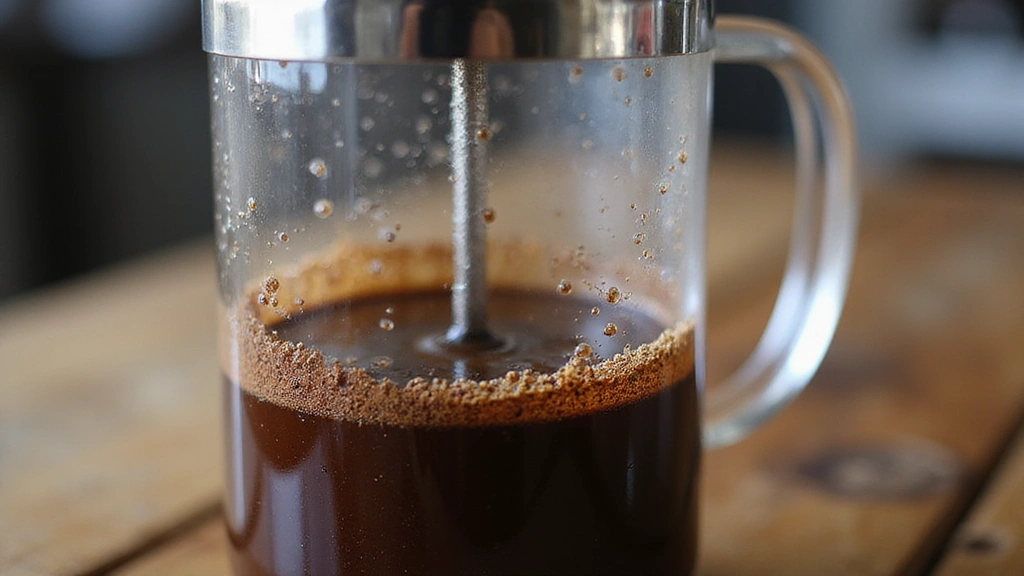
Add the coarse coffee grounds to your French press.
Pour four cups of cold, filtered water over the grounds.
Ensure all grounds are fully immersed.
Gently stir to combine, but do not overmix.




Step 3: Steep the Coffee
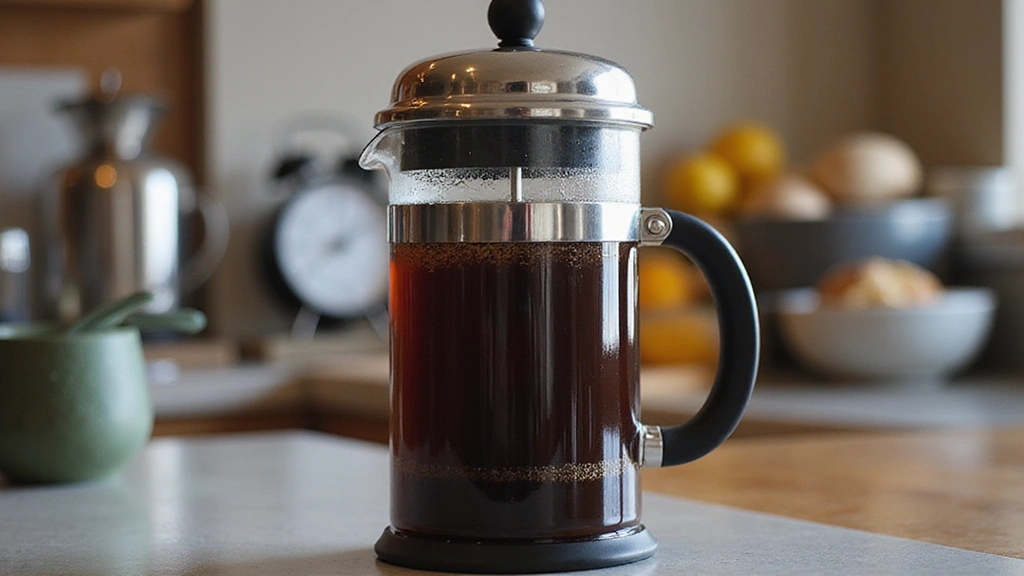
Place the lid on your French press without plunging.
Leave the mixture to steep at room temperature or in the fridge.
Steep for at least 12 hours for optimal flavor.
Avoid disturbing the mixture during this time.


Step 4: Press and Filter
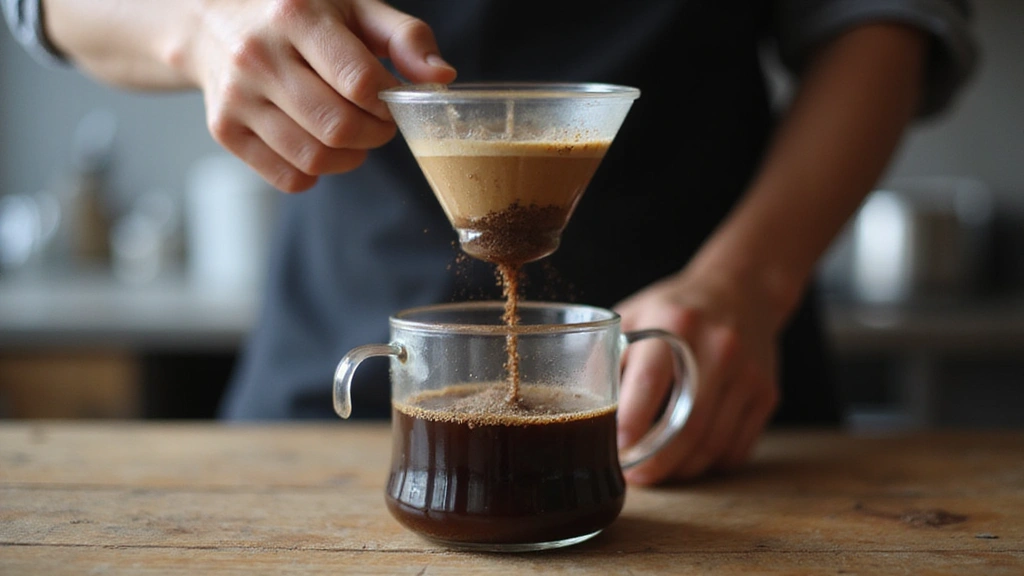
After steeping, slowly press the plunger down.
Ensure a steady, even pressure to avoid stirring the grounds.
Pour the brewed coffee into a separate container.
Use a fine mesh sieve for any remaining sediment.
Step 5: Serve the Cold Brew
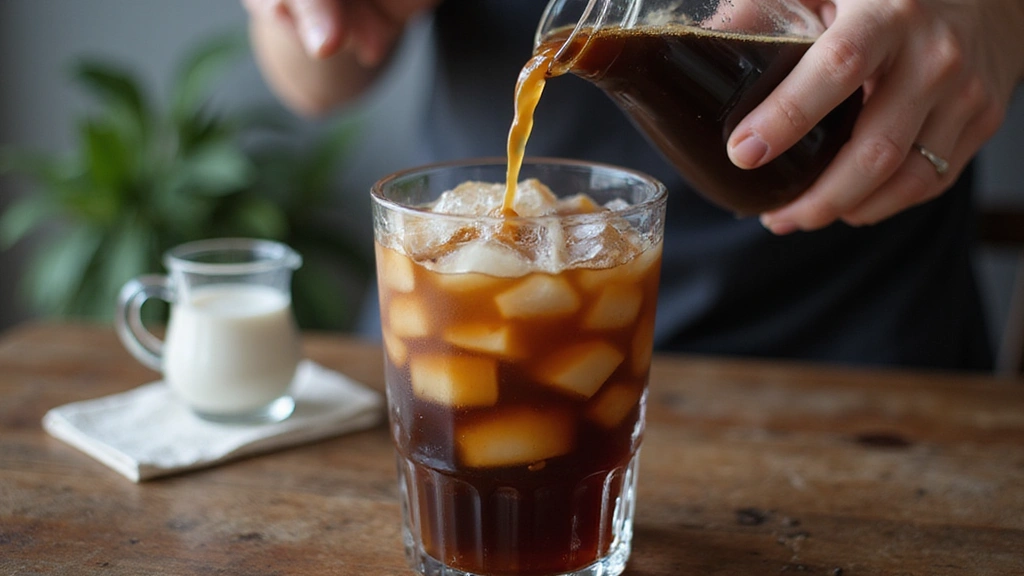
Fill a glass with ice cubes.
Pour the cold brew over the ice.
Add milk or sweetener if desired.
Stir gently to combine.



Step 6: Store the Cold Brew
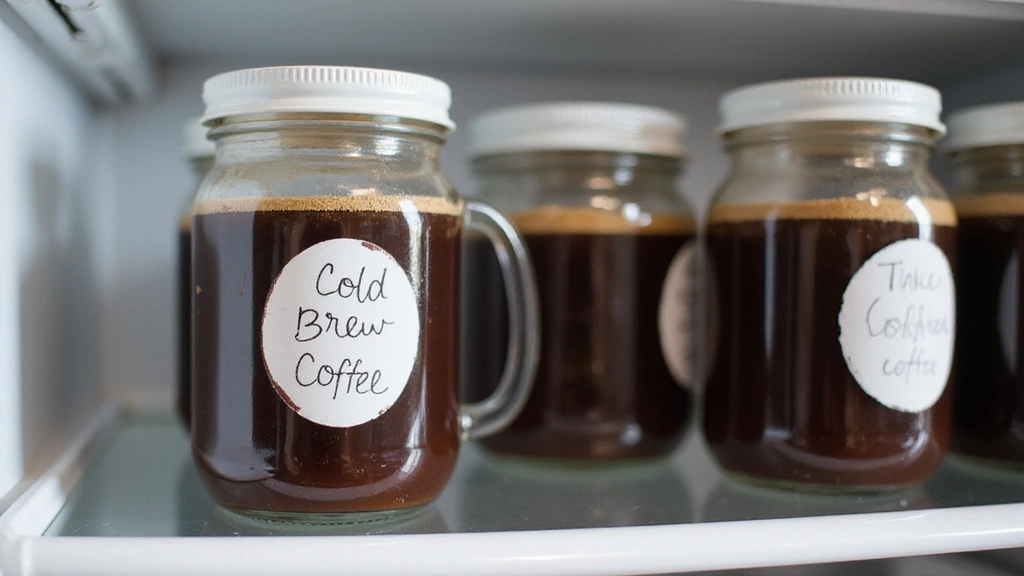
Transfer any remaining cold brew to an airtight container.
Refrigerate for up to one week.
Label with the date for freshness.
Keep away from strong odors in the fridge.
Critical Timing and Temperature Guide
Steeping Time: Steep for a minimum of 12 hours. Longer steeping enhances flavor but avoid exceeding 24 hours to prevent over-extraction. Watch for a rich, dark color to indicate readiness.
Grinding and Filtering Temperature: Room temperature is ideal for grinding and filtering. Cold environments can slow extraction. Ensure tools are dry to prevent clumping.
Serving Temperature: Serve cold with ice. Avoid serving at room temperature for best refreshing experience.
Pro Tips for Cold Brew Coffee
• Ingredient Selection: Choose high-quality, freshly roasted coffee beans; medium to dark roasts offer the richest flavor.
• Preparation Secret: Double-filter the brew for maximum clarity and smoothness by using both a French press and a fine mesh sieve.
• Temperature Management: Consistently keep the brew cold post-steeping to maintain freshness and prevent sourness.
• Texture Enhancement: Use a French press for the smoothest texture, avoiding any gritty residue.
• Flavor Layering: Add a pinch of salt to the grounds before steeping to enhance underlying flavors without adding saltiness.
• Make-Ahead Strategies: Prepare large batches and store in airtight containers in the fridge to enjoy a week's worth of cold brew.
• Restaurant-Quality Finishing Touches: Add a splash of vanilla extract or a cinnamon stick during steeping for a unique twist.
• Equipment Optimization: Clean your French press thoroughly after each use to prevent flavor transfer from stale oils.



Troubleshooting Common Issues
• Bitterness: Caused by over-extraction or too fine a grind. Use coarser grounds and reduce steeping time.
• Weak Flavor: Often due to insufficient steeping time or too little coffee. Increase coffee-to-water ratio or steep longer.
• Cloudy Brew: Results from insufficient filtering. Use a double-filter method with a French press and fine mesh.
• Sour Notes: Typically from under-extraction or poor-quality beans. Ensure full steeping time and use fresh beans.
• Sediment in Cup: Caused by improper filtering. Ensure your French press has a fine mesh, or use a secondary filter.
• Short Shelf Life: Results from improper storage. Store in airtight containers and keep refrigerated.
Variations and Regional Differences
• New Orleans Style: Features chicory mixed with coffee grounds for a unique, slightly nutty flavor.
• Japanese Kyoto Style: Made using a slow drip system for a lighter, more delicate brew.
• Vietnamese Cold Brew: Often sweetened with condensed milk and served over ice for a rich, creamy texture.
• Mexican Cold Brew: Infused with cinnamon and vanilla during steeping, offering a spiced, aromatic experience.
Food Science Behind the Recipe
• Extraction Rates: Cold water extracts fewer acids, resulting in a smoother, less bitter brew compared to hot coffee.
• Saturation and Solubility: Coarse grounds increase water flow and reduce over-saturation, preventing bitterness.
• Oxidation Prevention: Cold temperatures slow oxidation, preserving the fresh taste and aromas of the coffee.




Frequently Asked Questions
What's the most common mistake people make when preparing cold brew coffee? Using too fine a grind, which can lead to over-extraction and bitterness.
How long can I store cold brew coffee? Properly stored in an airtight container in the fridge, it can last up to a week.
Can I heat cold brew coffee? Yes, you can heat it by diluting it with hot water for a warm beverage.
Do I have to use a French press? While recommended, alternatives like a mason jar and fine sieve can also work.
Why is my cold brew weak? Likely due to too little coffee or insufficient steeping time; adjust ratios accordingly.
Can I use flavored coffee beans? Yes, but ensure flavors complement the cold brew profile.
Is cold brew stronger than regular coffee? It can be, depending on the coffee-to-water ratio used during preparation.
Serving and Presentation Guide
• Traditional Presentation: Serve in a tall glass over ice, with a splash of milk or cream and a straw.
• Modern Twist: Garnish with a lemon peel or mint sprig for a sophisticated touch.
• Party Style: Offer in a large pitcher with various syrups and spices for guests to customize.
• Espresso Influence: Serve in a small espresso cup for a concentrated, intense experience.
Conclusion
With its smooth, rich flavor and refreshing chill, cold brew coffee is a delightful addition to any coffee lover's routine.
The simple preparation and versatility make it accessible and enjoyable for all.
Give this recipe a try and elevate your coffee experience to new, refreshing heights.