
Slow Cooker Recipes: Easy Meals, Less Effort!
Family-friendly dishes for busy people — quick prep, delicious results.
Grab yours for $4The Lemon Meringue Pie is a timeless dessert that combines the tangy brightness of lemons with the fluffy sweetness of meringue.
Its tart, citrusy filling is balanced by a light, airy topping, making it a favorite for those who love contrasting flavors.
I first encountered this pie at a summer picnic, where its vibrant taste perfectly complemented the sunny weather.
The appeal of Lemon Meringue Pie lies in its simplicity and elegance, making it a perfect choice for both casual and formal gatherings.
Whether you’re an experienced baker or a novice in the kitchen, this pie promises to be a rewarding endeavor.
Its picture-perfect appearance will make it the star of any dessert table.
The History and Cultural Significance
• Lemon Meringue Pie traces its origins to 19th-century Europe, where it was originally created by Swiss baker Alexander Frehse.
• The dish evolved over decades as bakers experimented with different types of crusts and meringue techniques, eventually becoming the beloved version we know today.
• In American culture, this dish traditionally appears at summertime gatherings and picnics, symbolizing leisure and celebration.
• While many variations exist across different regions, the authentic version maintains a balance of tart lemon filling and sweet meringue that sets it apart from imitations.




Recipe Overview
Nutritional Information
Essential Equipment Guide
Pie Pan: A good quality pie pan is crucial for achieving the perfect crust. Look for a pan with even heat distribution. Glass or ceramic pans are often preferred for their ability to evenly bake the crust.
Stand Mixer: This tool is essential for whipping up a stable meringue. If unavailable, a hand mixer can also work, though it may require more effort. Look for mixers with variable speeds for better control.
Zester: A zester is important for extracting just the right amount of lemon zest without the bitter pith. A microplane zester is highly recommended for its precision and ease of use.




Ingredients
For the Crust
|
|
| Amount | Ingredient | Notes |
|---|---|---|
| 1 1/2 cups | all-purpose flour | sifted for a light texture |
| 1/2 cup | unsalted butter | cold and cubed |
| 1/4 teaspoon | salt | enhances flavor |
| 2 tablespoons | sugar | adds sweetness |
| 3 tablespoons | ice water | for binding dough |
For the Filling
| Amount | Ingredient | Notes |
|---|---|---|
| 1 cup | sugar | adds sweetness |
| 1/2 cup | cornstarch | thickens the filling |
| 1 1/2 cups | water | for dissolving cornstarch |
| 3 large | egg yolks | adds richness |
| 1/4 cup | lemon juice | for tartness |
| 1 tablespoon | lemon zest | enhances citrus flavor |
For the Meringue
| Amount | Ingredient | Notes |
|---|---|---|
| 3 large | egg whites | creates fluffiness |
| 1/4 teaspoon | cream of tartar | stabilizes meringue |
| 1/2 cup | sugar | adds sweetness |
Preparation Methods
Blind Baking: Blind baking is the process of pre-baking a pie crust before adding the filling. This technique ensures that the crust stays crisp and doesn't become soggy once the filling is added. To blind bake, place parchment paper over the rolled-out crust in the pan and fill it with pie weights or dried beans. Bake until the edges are just starting to brown.
Tempering: Tempering is a technique used to gradually combine hot and cold ingredients without curdling. When adding egg yolks to the hot lemon mixture, slowly drizzle in a bit of the hot mixture into the yolks while whisking constantly. This gently raises the temperature of the yolks and prevents them from cooking too quickly.
Stiff Peaks: Achieving stiff peaks in meringue is crucial for a stable topping. This is done by beating egg whites until they form peaks that stand upright without collapsing. Use a clean, dry bowl and beaters to ensure no fat interferes with the meringue formation.



Step 1: Prepare the Crust
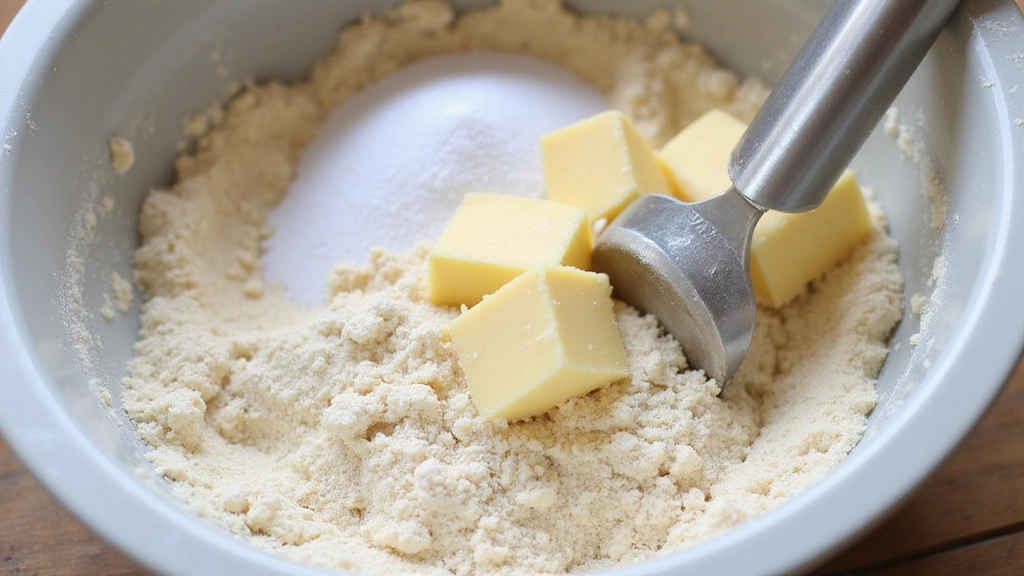
Combine flour, sugar, and salt in a large bowl.
Cut in the cold butter using a pastry cutter or fingertips until the mixture resembles coarse crumbs.
Add ice water gradually, mixing with a fork until dough holds together.
Form the dough into a disk, wrap in plastic, and refrigerate for at least 30 minutes.


Step 2: Roll Out the Dough

Remove dough from the refrigerator and let it sit for 5 minutes.
On a floured surface, roll dough into a circle about 12 inches in diameter.
Transfer dough to a 9-inch pie pan, pressing gently to fit.
Trim excess dough, leaving a 1-inch overhang, and crimp edges.
Step 3: Blind Bake the Crust

Preheat oven to 375°F (190°C).
Line the pie crust with parchment paper and fill with pie weights.
Bake for 15 minutes, then remove weights and parchment.
Bake for an additional 5 minutes until lightly golden.


Step 4: Prepare the Lemon Filling

In a saucepan, combine sugar and cornstarch.
Gradually whisk in water until smooth.
Bring to a boil over medium heat, stirring constantly, until thickened.
Remove from heat and whisk in egg yolks, lemon juice, and zest.




Step 5: Temper the Egg Yolks
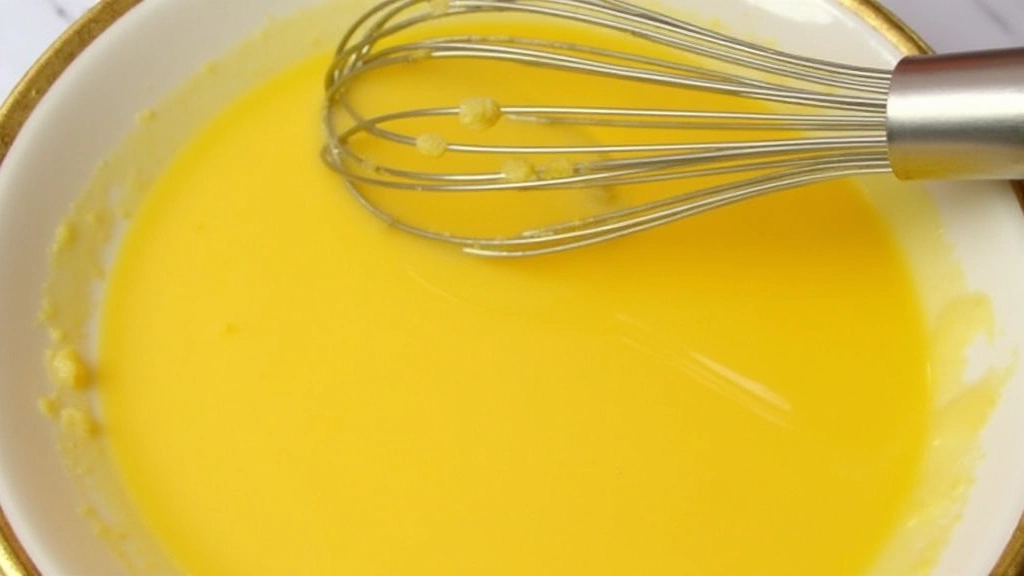
Slowly drizzle a small amount of the hot lemon mixture into the egg yolks while whisking.
Continue adding until half of the lemon mixture is incorporated.
Return the tempered yolk mixture to the saucepan.
Cook over medium heat, stirring, until thickened and bubbling.



Step 6: Pour Filling into Crust

Pour the hot lemon filling into the prepared pie crust.
Smooth the top with a spatula.
Let the pie sit at room temperature while preparing the meringue.
Ensure the filling is evenly spread and the crust edges are clean.



Step 7: Make the Meringue

In a clean bowl, beat egg whites and cream of tartar until foamy.
Gradually add sugar, beating on high speed until stiff peaks form.
The meringue should be glossy and hold its shape.
Ensure no egg yolk is in the whites for best results.
Step 8: Top Pie with Meringue
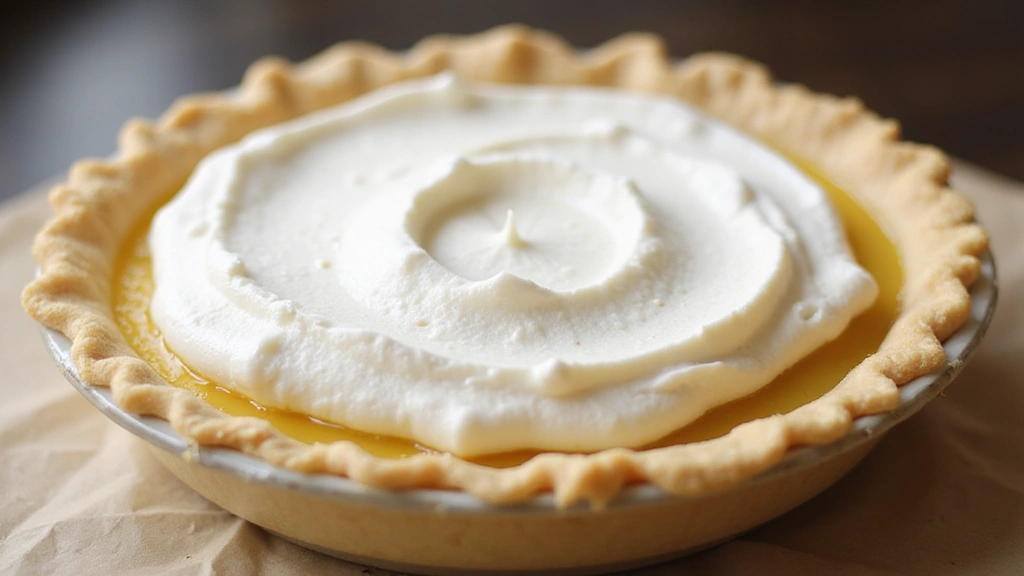
Preheat oven to 350°F (175°C).
Spoon meringue over the lemon filling, spreading to seal the edges.
Create peaks and swirls using the back of a spoon.
Bake until meringue is lightly browned, about 10-12 minutes.


Critical Timing and Temperature Guide
Blind Baking: Bake the crust at 375°F (190°C) for 15 minutes with weights, then 5 minutes without, until edges are lightly golden. Avoid over-baking to prevent a tough crust.
Lemon Filling: Cook over medium heat until thickened and bubbling. Ensure filling reaches a full boil to activate the thickening power of cornstarch.
Meringue Topping: Bake meringue-topped pie at 350°F (175°C) for 10-12 minutes until lightly browned. Avoid opening the oven door frequently to prevent deflation.





Pro Tips for Lemon Meringue Pie
• Ingredient Selection: Use fresh lemons for juice and zest to ensure the best flavor and fragrance.
• Preparation Secret: Let the filled pie cool briefly before adding meringue to prevent it from slipping.
• Temperature Management: Ensure egg whites are at room temperature before beating to achieve maximum volume.
• Texture Enhancement: Be sure to seal the meringue to the crust to prevent weeping.
• Flavor Layering: Add a pinch of salt to the lemon filling to enhance the overall flavor.
• Make-Ahead Strategies: Prepare the crust a day in advance and store it in the fridge to save time.
• Restaurant-Quality Finishing Touches: Use a kitchen torch to lightly brown the meringue for an even finish.
• Equipment Optimization: Use a silicone spatula for spreading meringue to achieve smooth, even coverage.
Troubleshooting Common Issues
• Meringue Weeping: Caused by undercooked meringue or not sealing to the crust. Ensure meringue is spread to the edges and bake until firm.
• Soggy Crust: Often results from not blind baking the crust long enough. Ensure crust is lightly golden before adding filling.
• Runny Filling: Occurs if cornstarch isn't fully cooked. Ensure the filling reaches a full boil and thickens before removing from heat.
• Meringue Deflation: Caused by over-beating or adding sugar too quickly. Add sugar gradually and stop beating once stiff peaks form.
• Uneven Browning: Caused by uneven oven temperature. Rotate the pie during baking or use an oven thermometer to ensure accuracy.
Variations and Regional Differences
• French Style: Known as Tarte au Citron Meringuée, this version uses a pâte sucrée crust and may include almond flour for added texture.
• American Southern Style: Features a graham cracker crust and sometimes a touch of vanilla in the filling for a sweeter profile.
• Australian Lemon Meringue: Often includes a touch of passion fruit in the filling, adding a tropical twist to the classic recipe.
• Vegan Variation: Uses aquafaba for the meringue and coconut cream for the filling, offering a plant-based alternative.




Food Science Behind the Recipe
• Thickening with Cornstarch: Cornstarch gelatinizes when heated, thickening the filling by trapping water molecules and providing a smooth texture.
• Egg White Foaming: Beating egg whites incorporates air, creating a foam stabilized by proteins, which is essential for meringue structure.
• Lemon Juice Acidity: The acid in lemon juice helps set the protein structure in the meringue, contributing to stability and preventing weeping.





Frequently Asked Questions
What's the most common mistake people make when preparing Lemon Meringue Pie? The most common mistake is not achieving the right consistency in the meringue, leading to weeping or deflation.
Can I use bottled lemon juice instead of fresh? Fresh lemon juice is recommended for its superior flavor and acidity, which are crucial for the pie's taste.
Why does my meringue deflate? Deflation can occur if the meringue is over-beaten or if the sugar is added too quickly, preventing stable peaks.
How do I prevent my crust from getting soggy? Blind bake the crust adequately and ensure the filling is not too watery before adding.
Can I make the pie ahead of time? Yes, but it's best to add the meringue and bake just before serving to maintain its texture.
What can I use instead of cream of tartar? A small amount of lemon juice or white vinegar can be used as a substitute to stabilize meringue.
Why is my filling runny? Runny filling is often due to undercooked cornstarch. Ensure it thickens properly by simmering fully.
How should I store leftovers? Store in the refrigerator for up to 3 days, but note that the meringue may become less stable over time.
Serving and Presentation Guide
• Traditional Presentation: Serve the pie in the pie pan, allowing the meringue peaks to be the centerpiece of the presentation.
• Individual Desserts: Prepare mini pies in ramekins for an elegant, single-serving option.
• Garnished with Lemon Slices: Decorate the top with thin lemon slices or zest for a fresh, vibrant touch.
• Rustic Style: Present with a dusting of powdered sugar over the meringue for a rustic, homemade look.




Conclusion
Lemon Meringue Pie offers a delightful balance of tart and sweet that is sure to impress any dessert lover.
With its rich history and straightforward preparation, it's a dish that brings joy to both the maker and the eater.
Don't hesitate to try making this classic at home and enjoy the satisfaction of a picture-perfect pie.
Share it with friends and family, and watch as it becomes a favorite in your recipe collection.