
Slow Cooker Recipes: Easy Meals, Less Effort!
Family-friendly dishes for busy people — quick prep, delicious results.
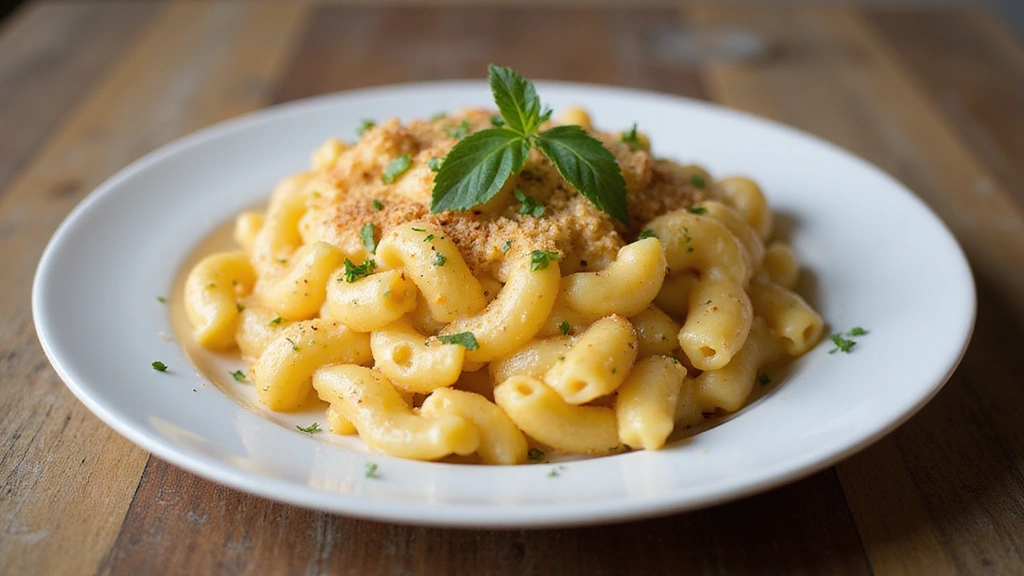
Grab yours for $4Mac and cheese is the ultimate comfort food, blending creamy textures with rich, cheesy flavors.
Its appeal lies in its simplicity and the sheer satisfaction it brings with every bite.
I first fell in love with this dish during cold winter nights when nothing else could warm the soul like a bowl of homemade mac and cheese.
This recipe promises a creamy, cheesy, and irresistible experience that you’ll want to recreate time and time again.
Perfect for family gatherings or a cozy night in, this dish will surely impress everyone at the table.
The History and Cultural Significance
• Mac and Cheese traces its origins to Europe, specifically during the Medieval period, where it was originally created by chefs using a simple pasta and cheese combination.
• The dish evolved over decades as new cheese varieties and pasta shapes were introduced, eventually becoming the beloved version we know today.
• In the United States, this dish traditionally appears at Thanksgiving and other family gatherings, symbolizing comfort and togetherness.
• While many variations exist across different regions, the authentic version maintains a creamy texture and rich cheese flavor that sets it apart from imitations.




Recipe Overview
Nutritional Information (per serving)
Essential Equipment Guide
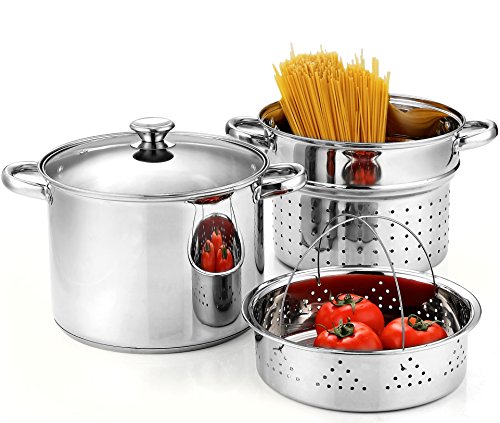
Saucepan: A heavy-bottomed saucepan is crucial for creating the béchamel sauce without burning or sticking. Alternatives include a non-stick pan, but ensure it distributes heat evenly.
Whisk: A sturdy whisk is essential for blending the sauce smoothly, preventing lumps in the béchamel. A silicone-coated whisk is ideal to avoid scratching the pan.
Baking Dish: A ceramic or glass baking dish helps achieve an even bake and a beautiful presentation. Look for one that conducts heat well and has an attractive finish for serving.



Ingredients
For the Base
|
|
| Amount | Ingredient | Notes |
|---|---|---|
| 2 cups | elbow macaroni | cooked al dente |
For the Sauce
| Amount | Ingredient | Notes |
|---|---|---|
| 4 tablespoons | butter | unsalted, for richness |
| 1/4 cup | all-purpose flour | for thickening |
| 3 cups | milk | whole, for creaminess |
| 2 cups | sharp cheddar cheese | grated, main cheese flavor |
| 1 cup | gruyere cheese | grated, adds depth |
Seasonings
| Amount | Ingredient | Notes |
|---|---|---|
| 1 teaspoon | salt | enhances flavors |
| 1/2 teaspoon | black pepper | freshly ground, for spice |
| 1/4 teaspoon | nutmeg | freshly grated, for warmth |
Preparation Methods
Béchamel Sauce Preparation: This technique involves gently heating butter and flour to create a roux, which is then used to thicken milk into a creamy sauce. Mastering this ensures the base of your mac and cheese is smooth and rich.
Cheese Melting: Gradually incorporating cheese into the béchamel sauce prevents clumping and ensures a velvety texture. Melting cheese at low heat is key to maintaining smoothness.
Baking for Crust: Baking the mac and cheese creates a delicious golden crust. Broiling at the end can enhance this effect, but watch closely to prevent burning.



Step-by-Step Cooking Instructions
Step 2: Cook Pasta
First sentence of detailed instruction.
Second sentence with more details.
Third sentence explaining what to look for.
Fourth sentence about proper technique.
Critical Timing and Temperature Guide
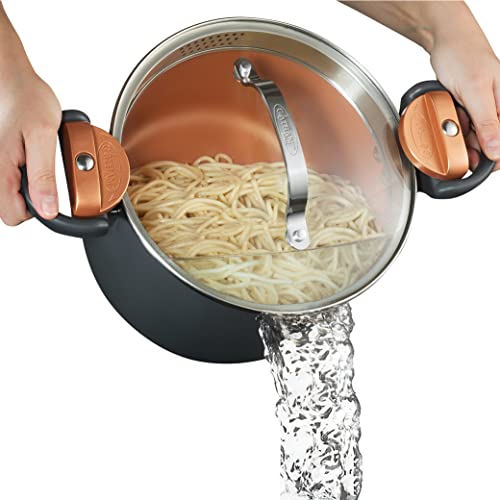
Cooking Pasta: Boil for exactly 7-8 minutes until al dente; look for firmness without being hard.
Baking: Bake at 350°F for 20-25 minutes, until the top is golden and bubbling.
Broiling: Broil for 3-5 minutes for a crisp crust, watching closely to avoid burning.


Pro Tips for Mac and Cheese
• Ingredient Selection: Choose high-quality, aged sharp cheddar for the best flavor.
• Preparation Secret: Let the béchamel cool slightly before adding cheese to prevent separation.
• Temperature Management: Use room temperature cheese for smoother melting.
• Texture Enhancement: Stir pasta gently to avoid breaking and ensure even sauce distribution.
• Flavor Layering: Add a touch of mustard powder for depth without overpowering the cheese.
• Make-Ahead Strategies: Prepare the sauce a day in advance and store in the fridge to save time.
• Restaurant-Quality Finishing Touches: Sprinkle with breadcrumbs and herbs for a gourmet touch.
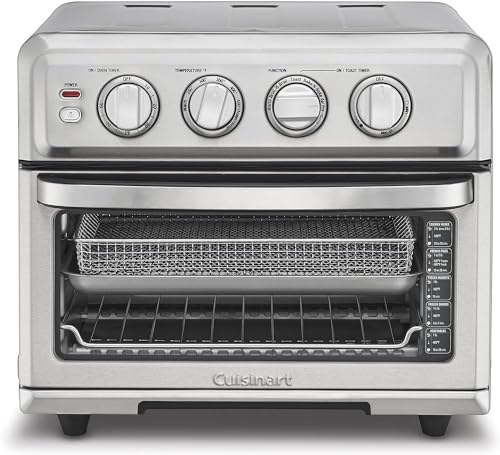
• Equipment Optimization: Preheat the oven thoroughly to ensure even baking.



Troubleshooting Common Issues
• Texture Too Dense: Caused by overcooking pasta; ensure it's cooked al dente.
• Sauce Separated: Occurs when cheese is added at too high a temperature; let the béchamel cool first.
• Flavors Unbalanced: Result of insufficient seasoning; taste and adjust salt and pepper accordingly.
• Crust Not Golden: Bake longer or broil briefly for a crispy finish.
• Cheese Not Melting: Use freshly grated cheese instead of pre-shredded for better melting.
• Too Watery: Often due to insufficient sauce thickening; ensure roux is cooked properly.




Variations and Regional Differences
• Southern Style: Uses evaporated milk and eggs for a custard-like texture, often topped with crushed crackers.
• Truffle Mac and Cheese: Incorporates truffle oil or truffle cheese for a luxurious twist.
• Italian-Inspired: Incorporates pancetta and parmesan, adding a distinct savory element.
• Spicy Variation: Includes jalapeños and pepper jack cheese for a kick of heat.


Food Science Behind the Recipe
• Emulsification: The process of combining fat and liquid in the béchamel creates a stable sauce that coats pasta evenly.
• Gelatinization: Starch in the flour thickens the sauce, giving it body and texture.
• Maillard Reaction: Responsible for the golden crust during baking, enhancing flavor and visual appeal.



Frequently Asked Questions
What's the most common mistake people make when preparing mac and cheese? The most common mistake is overcooking the pasta, leading to a mushy texture.
Can I use different types of cheese? Yes, experiment with various cheeses for different flavors, but ensure they melt well.
How do I store leftovers? Store in an airtight container in the fridge for up to 3 days; reheat gently to maintain texture.
What's the best way to reheat mac and cheese? Reheat in the oven at a low temperature to avoid drying out, or gently on the stovetop with a splash of milk.
Can I make this dish ahead of time? Yes, prepare the sauce and pasta separately, then combine and bake just before serving.
Is it possible to make a gluten-free version? Use gluten-free pasta and flour to accommodate dietary restrictions.
What's a good way to add protein to this dish? Incorporate cooked chicken, bacon, or even lobster for added protein and flavor.
Serving and Presentation Guide
• Traditional Presentation: Serve in a rustic baking dish straight from the oven.
• Individual Servings: Use ramekins for portioned servings that look elegant.
• Casual Family Style: Present in a large casserole dish for easy sharing.
• Gourmet Touch: Garnish with fresh herbs and a drizzle of truffle oil for sophistication.


Conclusion
Now that you've mastered the art of making creamy and delicious mac and cheese, it's time to share this comforting dish with your loved ones.
Its rich flavors and velvety texture are sure to win over even the most discerning palates.
Whether for a cozy night in or a festive gathering, this mac and cheese recipe is bound to become a household favorite.