
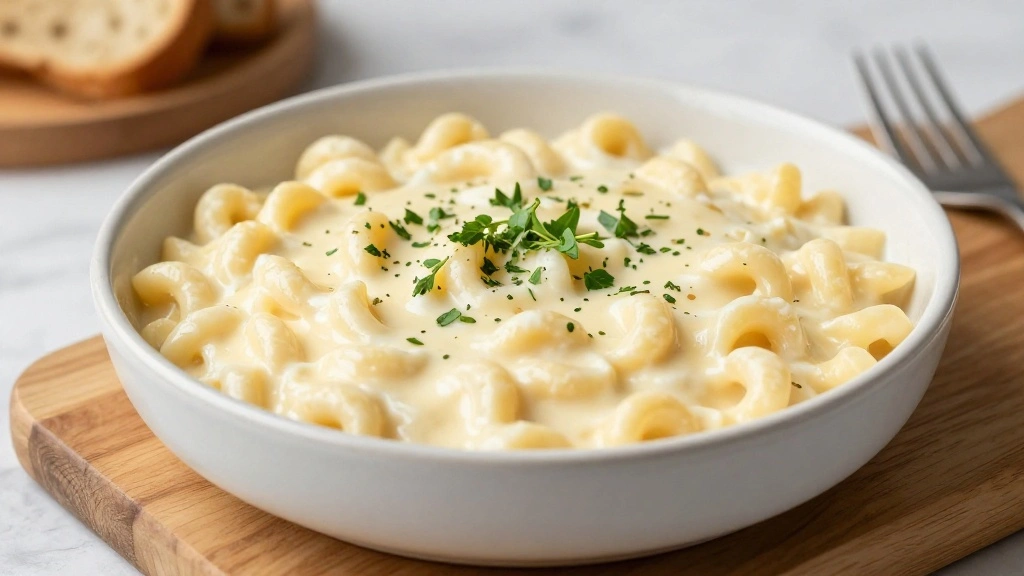
The allure of creamy, cheesy mac and cheese is universal, evoking nostalgic memories of home-cooked meals and family gatherings.
Its rich, velvety texture combined with the savory tang of perfectly melted cheese creates a comfort food that’s hard to resist.
I first encountered this version during a chilly autumn evening, where the warmth and flavors felt like a comforting hug.
Whether it’s a holiday feast or a simple weeknight dinner, this dish never fails to impress with its decadent simplicity.
Prepare to embark on a culinary journey that promises satisfaction with each bite.
This recipe ensures you achieve the perfect balance of creamy sauce and tender pasta, making it a standout in any meal setting.
The History and Cultural Significance
• Mac and Cheese traces its origins to 14th century Italy, where it was originally created by combining pasta with a cheese sauce.
• The dish evolved over decades as it traveled through Europe, eventually becoming a staple in American cuisine with the introduction of Cheddar cheese.
• In the United States, this dish traditionally appears at Thanksgiving and other family gatherings, symbolizing comfort and abundance.
• While many variations exist across different regions, the authentic version maintains a creamy texture and cheesy flavor that sets it apart from imitations.
Recommended Products

【MEET YOUR ALL NEEDS】MALACASA casserole dishes for oven measure 15.6"L x 9.2"W x 3.1"H (including handle size)-142 OZ, straight-sided design allowing it to hold a larger capacity. Perfect for cooking lasagna, casseroles, chicken, roast, bread, pasta, beef, and more. Whether you're preparing a family dinner or serving, this versatile casserole dish has got you covered.

Meet Your Daily Needs: DOWAN larger and deeper ceramic baking dish measures 15.6"L x 9.3"W x 3.1" H (including handle size)-135 OZ, sized perfectly for cooking lasagna, casseroles, chicken, roast, bread, pasta, beef, and more. Whether you're cooking a family dinner or serving food, this versatile casserole dish has got you covered.

Recipe Overview
Recommended Products
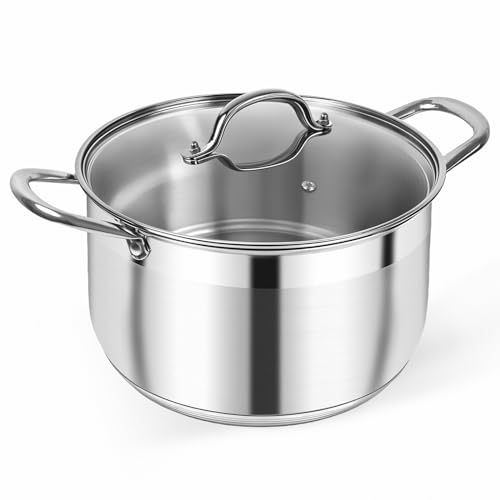
Stainless steel and 5 layers bottom: Kirecoo 8-Quart Stainless Steel Stockpot with Lid is an essential kitchen cookware, boasting an advanced stainless steel construction with a 5-layer thickened base. This cooking pot features high temperature and corrosion resistance, promising a long service life without easy deformation. Composed of aluminum, iron, aluminum, and a magnetic base, the 5-layer bottom of stockpot has good sturdiness and performance. It heats quickly and distributes heat evenly.
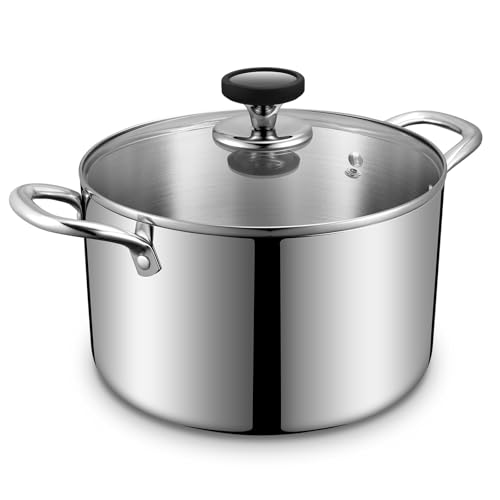
Tri-Ply Stainless Steel Pot: Stainless steel stock pot which made of premium material is non-toxic and food-grade, No harmful material releasing to your food whether at high temperature or not, Tri-ply pot consists of 18/8 stainless steel interior (ensure food-grade quality), aluminum core (for an even heating) and magnetic 18/0 stainless steel exterior.

5 QUART PASTA POT WITH STRAINER LID — This nonstick ceramic stock pot cooks and drains spaghetti, penne, soup, rice, and vegetables in one pot, no colander needed. The built-in strainer lid, twist and lock handles, and dishwasher safe design make it the easiest way to cook pasta without the mess.
Nutritional Information (per serving)
Recommended Products

Two essential whisks in one

VERSATILE: great for whipping meringue, blending batters or removing clumps from your sauces and gravies.

Mrs. Anderson's Baking Nonstick Ball Whisk: weighted silicone ball tips fan out to cover more surface area for faster, more thorough whisking; follows curved bowls and pan bottoms for smoother mixing, reduced splashing, and consistent results in both small and large bowls for everyday and holiday cooking for single recipes and batch cooking
Essential Equipment Guide
Large Pot: Essential for boiling the pasta evenly without overcrowding, ensuring each piece cooks to al dente perfection. A heavy-bottomed pot helps maintain a steady temperature, preventing boil-overs.
Whisk: Crucial for making a smooth cheese sauce by preventing lumps in the béchamel. A silicone whisk offers gentleness on nonstick surfaces, while a balloon whisk incorporates air effectively.
Baking Dish: A ceramic or glass dish allows even baking, providing a beautifully crisp top layer. Look for a dish with handles for easy transport from oven to table.
Recommended Products

SAUCE RETENTION: Enjoy every bite with Mueller's Elbow Macaroni, crafted to hold sauce and enhance flavor, ensuring a delightful meal experience.

Versatile because of their short cooking time and familiar shape

Traditional Italian-Style Large Elbow Macaroni – Smooth, wide pasta designed to hold thicker sauces, cheese blends, and seasonings for flavorful meals

Ingredients
Recommended Products

Nutty and smooth, our Gruyere cheese is ideal for using to top salads, add to sandwiches, or pair with your favorite meats and crackers.

One (1) 14.5 oz jar of Prego Creamy Cheddar Cheese Sauce

One (1) 10.5 oz Can of Pace Mild Nacho Cheese Sauce
For the Pasta
|
| Amount | Ingredient | Notes |
|---|---|---|
| 12 ounces | elbow macaroni | classic choice for mac and cheese |
For the Sauce
| Amount | Ingredient | Notes |
|---|---|---|
| 3 tablespoons | unsalted butter | adds richness |
| 3 tablespoons | all-purpose flour | thickens the sauce |
| 2 cups | milk | creates a creamy base |
| 1 cup | heavy cream | enhances creaminess |
| 2 cups | sharp Cheddar cheese | grated for easier melting |
| 1 cup | Gruyère cheese | adds nutty depth |
Seasonings
| Amount | Ingredient | Notes |
|---|---|---|
| 1 teaspoon | salt | enhances overall flavor |
| 1/2 teaspoon | black pepper | for subtle heat |
| 1/4 teaspoon | cayenne pepper | optional, for a spicy kick |
Preparation Methods
Béchamel Sauce: This technique involves cooking butter and flour together before gradually adding milk. It thickens as it cooks, forming the base for a creamy sauce. Stir constantly to avoid lumps, and cook over medium heat for velvety smoothness.
Cheese Integration: Add cheese gradually off the heat to prevent it from becoming grainy. Stir continuously until fully melted, ensuring a smooth, uniform texture.
Pasta Cooking: Cook pasta until just al dente, as it will continue to cook when baked. Rinse with cold water to halt the cooking process and prevent it from becoming mushy.
Recommended Products

10 PIECES: This 10-piece ceramic stoneware bakeware set includes 3 sizes dishes perfect for any casserole or serving need. Includes: (1) 2.5-qt Oval Baking Dish with Glass and Plastic Lids, (1) 1.5-qt Oval Baking Dish with Glass and Plastic Lids, (2) 15-oz Oval Baking Dishes, and (2) 4-oz Ramekins.

SET INCLUDES: 7.5- x 6-inch rectangular baking dish, 9-inch oval baking dish, 9- x 9-inch square baking dish with lid

7x11 INCH: Includes (1) 7x11x2.75 inch glass baking dish with BPA-free plastic lid. This deep baking dish is essential to have in any kitchen as they are versatile in use from prepping to baking and storing.

Step 1: Prepare Ingredients
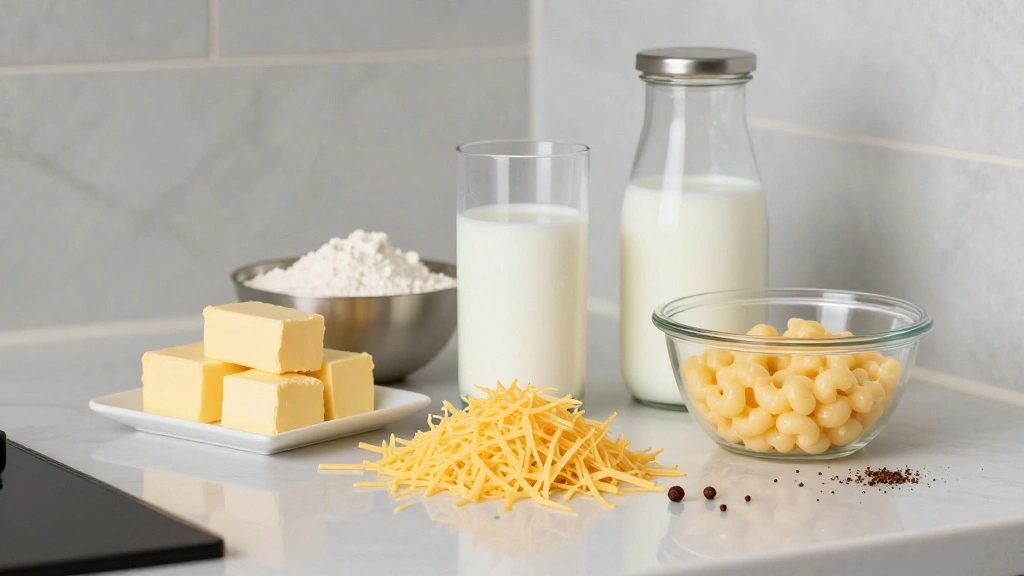
Gather all ingredients and measure them accurately.
Grate the cheeses for easier melting and set them aside.
Ensure the butter is at room temperature for easy incorporation.
Have your spices pre-measured and ready for use.
Recommended Products

Large capacity: holds up to 8 quarts--great for large batches of soups, stews, and more
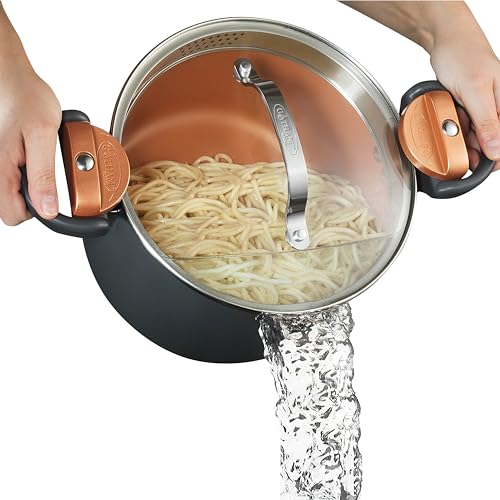
5 QUART PASTA POT WITH STRAINER LID — This nonstick ceramic stock pot cooks and drains spaghetti, penne, soup, rice, and vegetables in one pot, no colander needed. The built-in strainer lid, twist and lock handles, and dishwasher safe design make it the easiest way to cook pasta without the mess.

LARGE CAPACITY: This large cooking pot offers sixteen quart capacity in stainless steel construction, providing ample space for batch cooking soups, stews, pasta dishes, and family meals during gatherings, events, and weekly meal prepping sessions
Step 2: Cook the Pasta
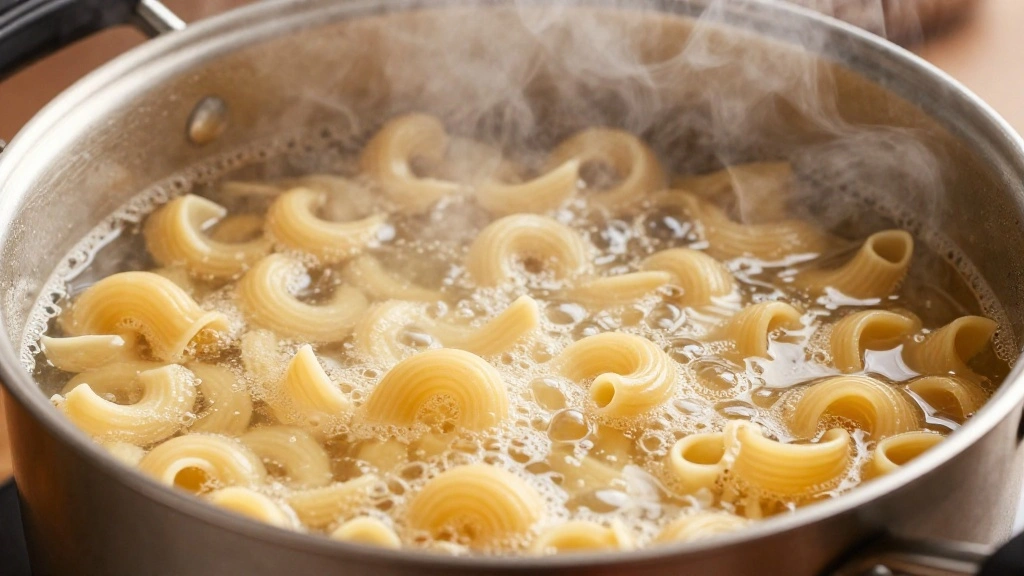
Fill a large pot with water and bring it to a boil.
Add a generous amount of salt, then add the elbow macaroni.
Cook the pasta until al dente, about 7-8 minutes.
Drain and rinse with cold water to stop the cooking process.
Recommended Products

Two essential whisks in one
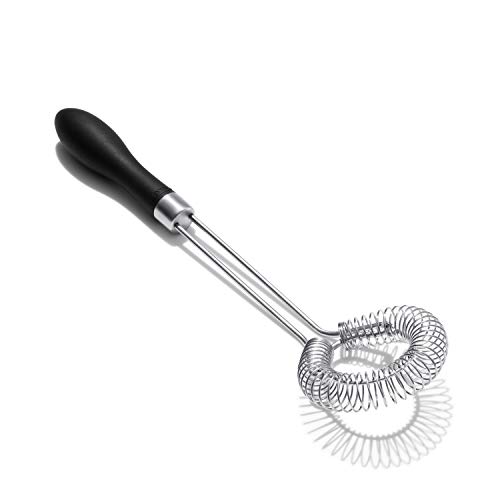
Specially designed to efficiently whisk gravy, roux, and sauces

Soft, Scrape-Safe Whisking: Heat-resistant silicone head protects nonstick cookware while efficiently mixing sauces, eggs and batters.


Step 3: Make the Béchamel
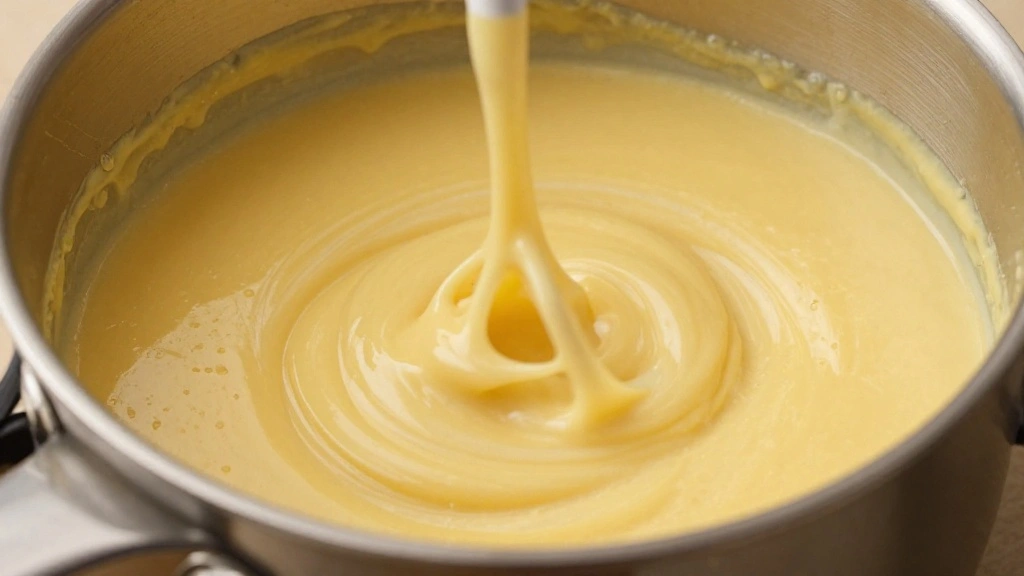
In a separate saucepan, melt the butter over medium heat.
Whisk in the flour and cook for 1-2 minutes until lightly golden.
Slowly add the milk, whisking constantly to prevent lumps.
Continue to whisk until the sauce thickens and coats the back of a spoon.
Recommended Products

Bulk Value Pack: Includes twenty (20) 7 oz bags, ideal for families, schools, and pantry stocking.

32 TOTAL Ounces - 2 Boxes - 16 Ounces Each


Step 4: Integrate the Cheese
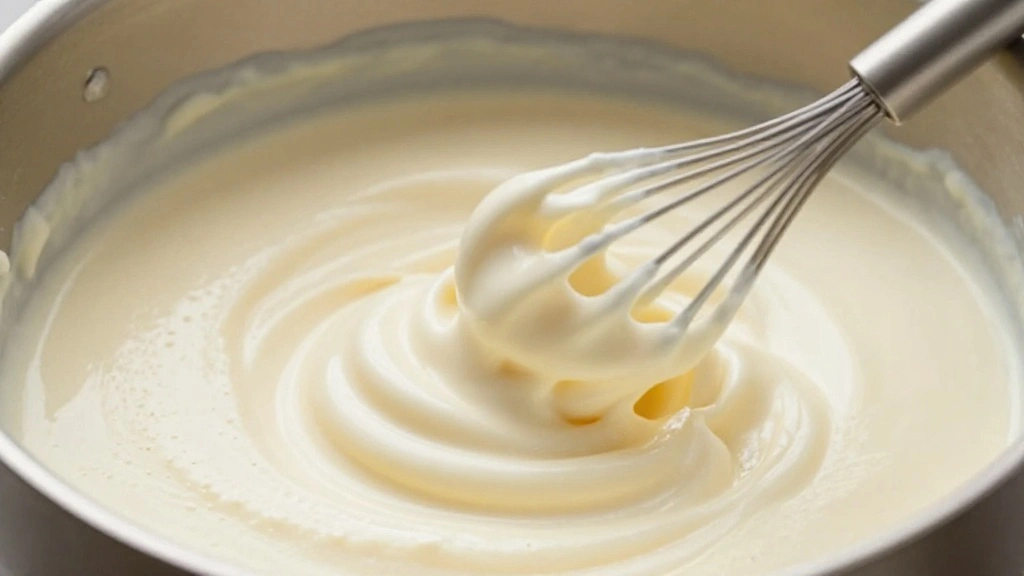
Remove the saucepan from the heat.
Gradually add the grated Cheddar and Gruyère cheeses.
Stir continuously until all the cheese is melted and the sauce is smooth.
Season with salt, black pepper, and cayenne pepper to taste.
Recommended Products



Step 5: Combine Pasta and Sauce
Preheat your oven to 350°F (175°C).
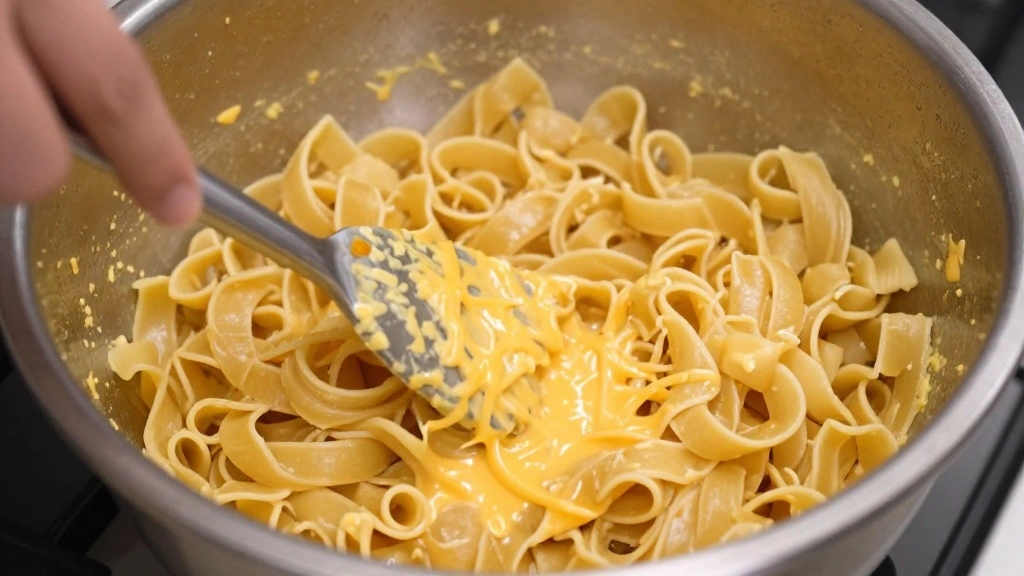
In a large mixing bowl, combine the cooked pasta and cheese sauce.
Stir until the pasta is evenly coated with the sauce.
Transfer the mixture to a baking dish, spreading it out evenly.


Step 6: Prepare for Baking
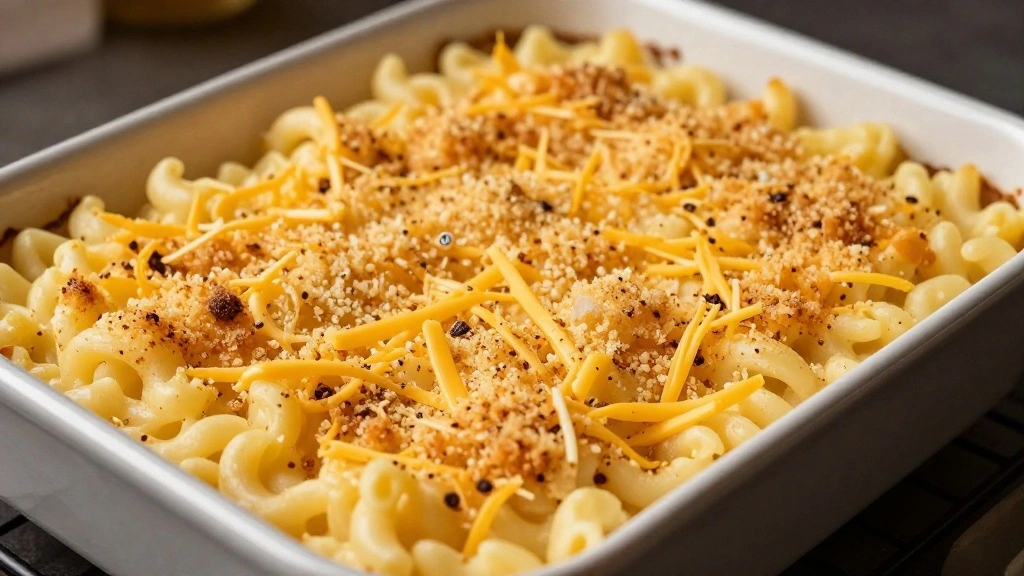
Top the mac and cheese with extra grated cheese, if desired.
Add breadcrumbs for a crunchy topping, if using.
Ensure the toppings are spread evenly across the surface.
Place the baking dish on a middle oven rack.


Step 7: Bake the Mac and Cheese
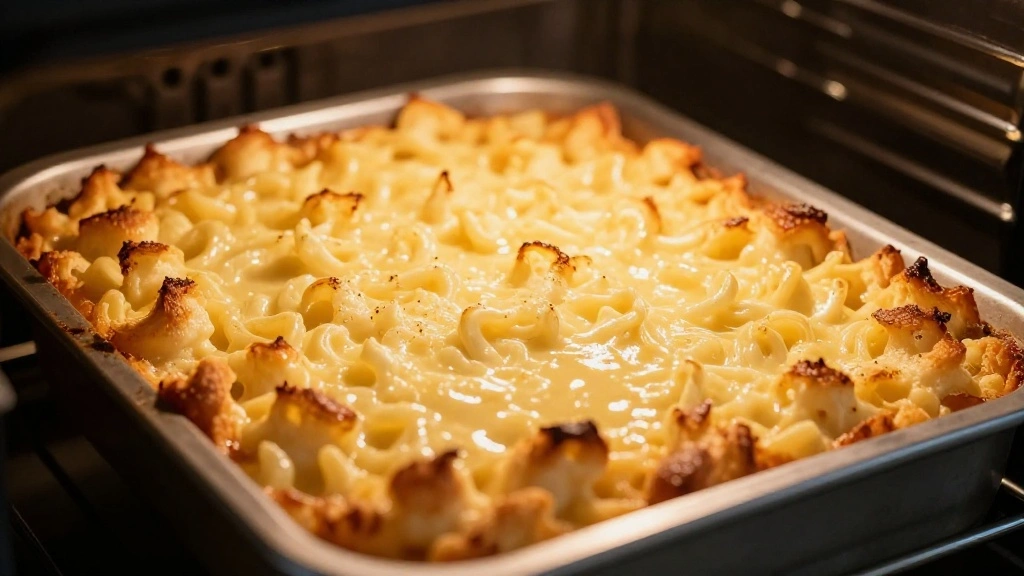
Bake in the preheated oven for 20-25 minutes.
Look for a bubbly sauce and a golden-brown top.
If the top isn't browning, switch to broil for 1-2 minutes.
Remove from the oven and let it cool slightly before serving.


Step 8: Serve and Enjoy
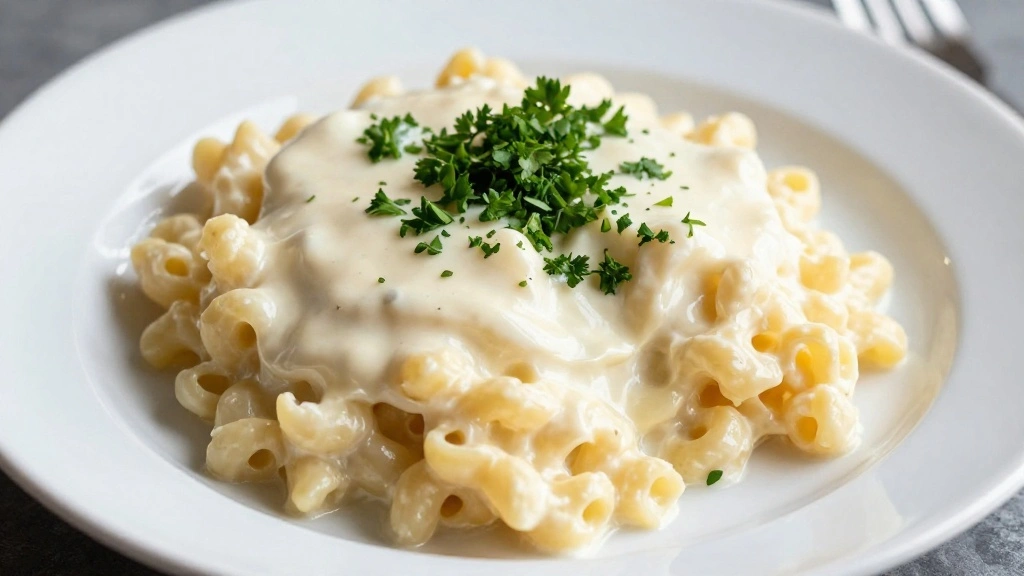
Allow the mac and cheese to set for 5 minutes.
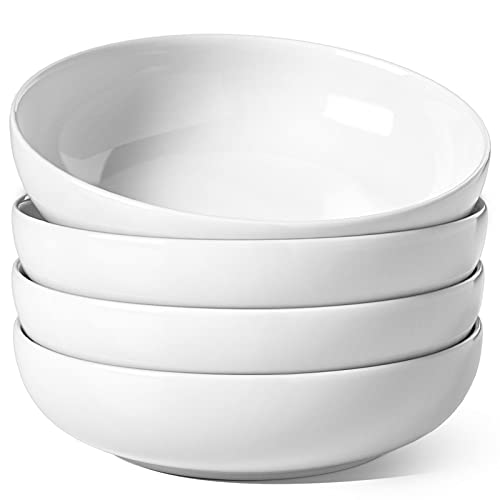
Scoop portions onto plates or bowls, ensuring a balance of pasta and sauce.
Garnish with fresh herbs like parsley, if desired.
Serve hot and enjoy the creamy, cheesy goodness.


Critical Timing and Temperature Guide
Pasta Cooking: Boil the pasta for precisely 7-8 minutes until al dente. Avoid overcooking, as it will continue to cook in the oven.
Béchamel Preparation: Cook the flour and butter until lightly golden, about 1-2 minutes, to avoid a raw flour taste. Maintain medium heat to prevent scorching.
Baking: Bake at 350°F (175°C) for 20-25 minutes until bubbly and golden brown. Overbaking can cause dryness and a hard crust.

Pro Tips for Mac and Cheese
• Ingredient Selection: Choose high-quality cheeses like sharp Cheddar and Gruyère for the best flavor. Avoid pre-shredded cheese, as it contains anti-caking agents that prevent smooth melting.
• Preparation Secret: Adding a pinch of cayenne pepper enhances the cheese flavors without making the dish spicy.
• Temperature Management: Use room temperature ingredients for a smoother sauce. Cold milk can cause the béchamel to seize.
• Texture Enhancement: For a creamier texture, use a combination of milk and heavy cream in the sauce.
• Flavor Layering: Enhance flavors by toasting the flour and butter until golden before adding milk, adding a subtle nutty taste.
• Make-Ahead Strategies: Prepare the béchamel sauce a day in advance and store it covered in the refrigerator. Reheat gently before using.
• Restaurant-Quality Finishing Touches: Top with a mixture of grated Parmesan and breadcrumbs for a crispy, flavorful crust.
• Equipment Optimization: Use a heavy-bottomed saucepan for the béchamel to ensure even heating and prevent scorching.


Troubleshooting Common Issues
• Texture Too Grainy: This issue often arises from adding cheese to a too-hot béchamel. Allow the sauce to cool slightly before incorporating cheese and stir constantly for smoothness.
• Sauce Too Thick: If the cheese sauce is too thick, gradually whisk in more warm milk until the desired consistency is achieved.
• Pasta Overcooked: Al dente is crucial. If pasta is overcooked, it turns mushy when baked. Rinse cooked pasta with cold water to stop cooking immediately.
• Flavors Unbalanced: If the dish tastes too bland, adjust seasoning with salt and a hint of cayenne for depth and warmth.
• Top Not Browning: For the perfect golden top, switch to broil for the last 1-2 minutes of baking, keeping a close eye to prevent burning.

Variations and Regional Differences
• Southern Style: Incorporates evaporated milk and eggs for a custard-like consistency and often includes a mixture of cheeses like Monterey Jack and Velveeta for creaminess.
• Italian Style: Uses béchamel as the base, enriched with Parmesan and mozzarella, and sometimes includes pancetta or prosciutto for added flavor.
• French Gratin: Features a Mornay sauce, a béchamel with Gruyère cheese, and is often topped with breadcrumbs for a crispy finish.
• Vegan Version: Substitutes dairy with plant-based milk and cheese, using nutritional yeast for a cheesy flavor and cashew cream for richness.


Food Science Behind the Recipe
• Emulsification: The process of blending butter, flour, and milk into a smooth sauce is crucial for achieving a creamy texture. Understanding emulsification helps prevent separation.
• Starch Gelatinization: As flour heats in the béchamel, starch granules swell and form a gel, thickening the sauce. Properly cooked flour ensures thickening without a raw taste.
• Maillard Reaction: The browning of the top layer during baking enhances flavor through the Maillard reaction, where sugars and proteins create complex flavor compounds.


Frequently Asked Questions
What's the most common mistake people make when preparing mac and cheese? The most common mistake is overheating the cheese sauce, which can lead to a grainy texture. Always melt cheese off the heat.
Can I make mac and cheese ahead of time? Yes, you can prepare the sauce in advance and store it in the fridge. Combine with cooked pasta before baking.
How can I make a gluten-free version? Substitute all-purpose flour with a gluten-free blend and use gluten-free pasta.
What cheeses work best for mac and cheese? A combination of sharp Cheddar and Gruyère is ideal for balance between flavor and melting quality.
How do I prevent the top from burning? Cover with foil if the top browns too quickly, and remove for the last few minutes to achieve desired color.
Can I freeze leftovers? Yes, mac and cheese can be frozen. Cool completely, portion, and store in airtight containers for up to 3 months.
What can I add for extra flavor? Bacon bits, caramelized onions, or roasted garlic can enhance the flavor profile of mac and cheese.
Is it possible to make this dish lactose-free? Use lactose-free milk and cheese alternatives to accommodate dietary restrictions.
Serving and Presentation Guide
• Traditional Presentation: Serve in a large, family-style baking dish directly on the table, allowing guests to help themselves.
• Individual Portions: Serve in small ramekins for individual servings, providing a personalized touch and helping with portion control.
• Garnished Elegance: Add a sprinkle of fresh chives or parsley before serving for a pop of color and freshness.
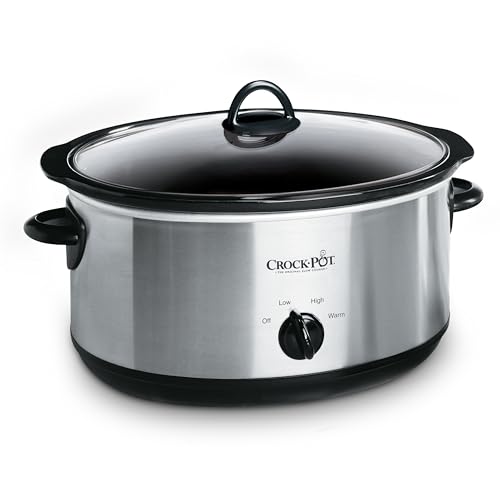
• Party Style: For gatherings, present in a slow cooker to keep it warm and creamy throughout the event.


Conclusion
This mac and cheese recipe is a testament to the power of simple ingredients coming together to create something extraordinary.
With its creamy texture and rich flavor, it's sure to become a family favorite.
Don't hesitate to try this recipe and experience the joy of homemade comfort food at its finest.
You'll find yourself returning to this classic dish time and time again.