
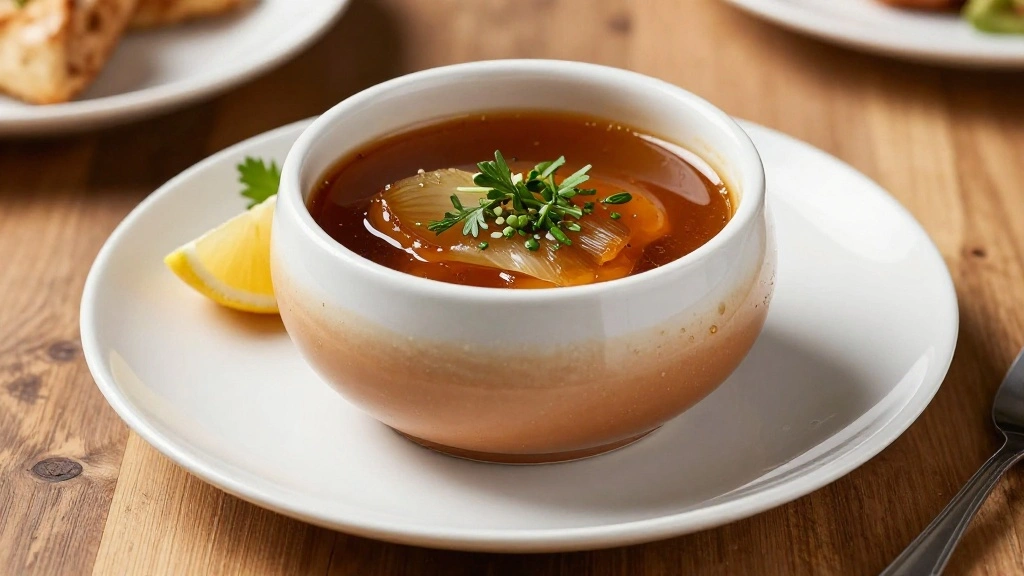
French Onion Soup is the epitome of comfort food, with its rich, savory broth and deeply caramelized onions.
The combination of flavors creates a heartwarming dish perfect for chilly evenings or whenever you need a touch of coziness.
I first fell in love with this dish during a visit to a quaint bistro in Paris, where the aroma of simmering onions filled the air.
Whether you’re a seasoned chef or a home cook, this recipe is a must-try for its simplicity and depth of flavor.
The History and Cultural Significance
• French Onion Soup traces its origins to 18th century France, where it was originally created by peasants as a way to make use of stale bread and onions.
• The dish evolved over decades as chefs began to refine the techniques of caramelizing onions and using beef stock, eventually becoming the beloved version we know today.
• In French culture, this dish traditionally appears at celebratory gatherings and as a comforting meal during cold winter months, symbolizing warmth and togetherness.
• While many variations exist across different regions, the authentic version maintains the use of Gruyère cheese and a broiled cheese-topped bread that sets it apart from imitations.
Recommended Products
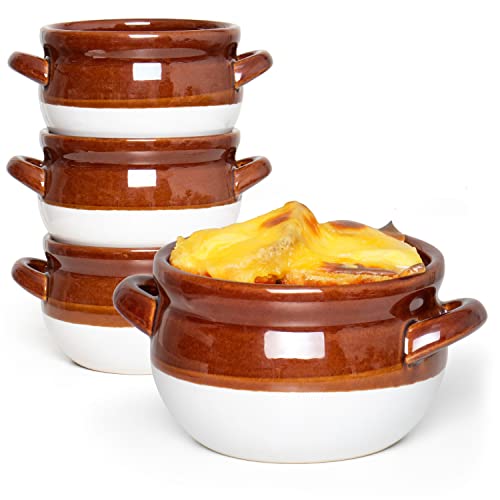
★FOOD-GRADE MATERIAL: The French onion soup bowls are made of high-quality ceramic, which can withstand higher temperatures. No peculiar smell and safe to use. The excellent coated glaze does not fade and protect it not easy todirty.

★FOOD-GRADE MATERIAL: The oven safe soup bowls are made of high-quality ceramic, which can withstand higher temperatures. Durable and chip-resistant for long use. The excellent coated glaze does not fade and protects it not easily dirty.

Recipe Overview
Recommended Products

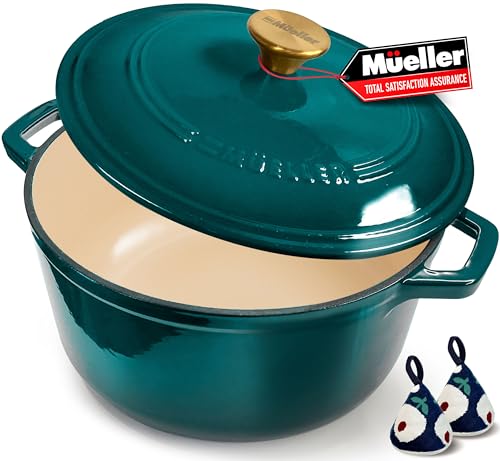
IDEAL FOR FAMILY MEALS - Perfectly sized for families of 3–5 people, this 5.5QT Dutch oven handles everything from hearty soups and stews to one-pot dinners, pasta dishes, and Sunday pot roasts. Spacious enough for a whole chicken yet practical for everyday cooking, it delivers the ideal balance between daily family meals and weekend entertaining. Also well-sized for artisan bread bakers who want one pot for both family dinners and sourdough baking.

Even Heat Distribution Retention: This Umite Chef Dutch oven Made with heavy-duty enameled cast iron, ensures even heat distribution for perfect searing and slow cooking, locking in flavors. thickened walls lock in heat for slow braising, searing, and baking. Unlike thin pots that scorch food, this professional-grade Enameled cast iron potSuperior heat retention after preheating (allow 5-7 mins for even distribution). CRITICAL: Always cool naturally for 45+ mins before cleaning. Thermal shock (hot-to-cold contact) cracks enamel. USE TIP: Preheat 2-3 mins on medium-low only

Quality Enameled Dutch Oven: The Lodge Essential Enamel Cast Iron Dutch Oven gives you all the benefits of cast iron cooking, great heat retention and durability, without fear of rust; it's also PFAS free
Nutritional Information (per serving)
Recommended Products

MULTI-PURPOSE 26 OZ SOUP BOWL: 26 oz ideal capacity for French onion soup, stew, bisque, chowder, shepherd’s pie, and more. Perfect for daily meals and versatile cooking needs.

From Oven to Tableware: The french onion soup crocks perfectly sized for French onion soup (with room for cheese and bread), they’re also oven-safe for baking, broiling, and serving chili, beef stew, pasta bakes, and fruit crumbles. The sturdy handles provide a secure, heat-resistant grip straight from the oven to your table, assemble ingredients, bake directly in the oven, and serve immediately in the same elegant, embossed bowl

GOOD DESIGN FOR DAILY USE: This Porcelain onion soup bowl comes with a side handle for safety, comfort and using convenience. 26 Ounce capacity is also perfect for one person to enjoy hot and cold soup, oatmeal, cereal, chowders, stew, Chili, dessert etc.
Essential Equipment Guide
Heavy-bottomed Pot: This is important for achieving even caramelization of onions without burning. Alternatives include a Dutch oven or a large non-stick pan. Look for a pot with a thick base that distributes heat evenly.
Cheese Grater: Essential for grating cheese to the perfect consistency for melting. Box graters or rotary graters work well. Choose one with a sturdy handle and sharp blades.
Broiler-safe Bowls: These allow you to melt the cheese directly on the soup. Ceramic or stoneware bowls are ideal. Ensure they are broiler-safe to withstand high temperatures.
Recommended Products

Large barrel and sharp stainless steel blades for efficient grating

Efficient Cheese Grater: This crank cheese grater requires little pressure and folds for compact storage, so your meal prep is a breeze when you are making dinner.

Makes Everything Simple : Just forget your bagged cheese! Only turn the handle for several times and get fresh shredded cheese, cutting the food twelve time faster and saving more time. Go ahead for your favourite recipes with this cheese grater

Ingredients
Recommended Products
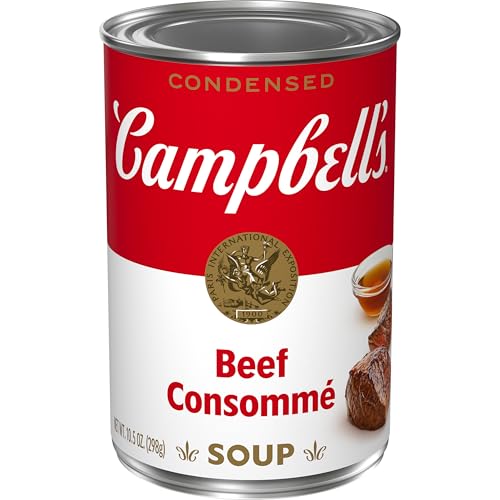
HIGH-QUALITY INGREDIENTS: Beef Consommé is a rich and flavorful soup made from beef stock for an authentic flavor

Slow-simmered blend of vegetables, herbs, and spices delivers a rich, full-bodied flavor to enhance your meals
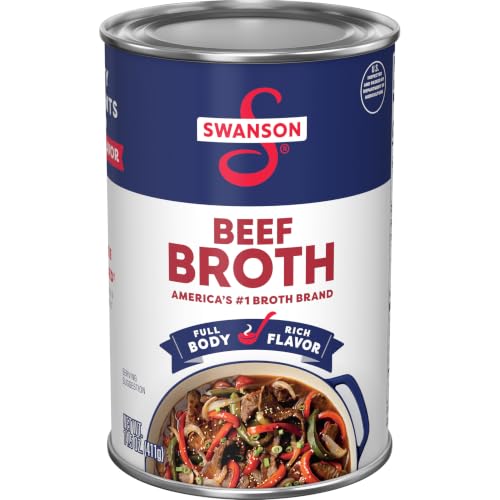
One 14.5 ounce recyclable can of Swanson 100% Natural Beef Broth
For the Soup Base
|
| Amount | Ingredient | Notes |
|---|---|---|
| 4 large | yellow onions | thinly sliced for maximum caramelization |
| 2 tablespoons | olive oil | for sautéing |
| 1 tablespoon | butter | adds richness |
| 4 cups | beef stock | base of the soup, adds depth |
| 1 cup | dry white wine | deglazes the pan, adding complexity |
| 2 teaspoons | salt | enhances flavor |
| 1 teaspoon | black pepper | adds warmth |
For the Topping
| Amount | Ingredient | Notes |
|---|---|---|
| 1 baguette | sliced | for croutons |
| 2 cups | Gruyère cheese | grated, for melting |
Preparation Methods
Caramelizing Onions: Slowly cooking onions over low heat until they are golden brown and sweet. This process is crucial for developing the soup's signature flavor. Use patience and stir often to prevent burning.
Deglazing: Adding liquid to a hot pan to lift browned bits and enhance flavor. In this recipe, wine is added after onions are caramelized. Ensure the wine is thoroughly reduced to avoid a raw alcohol taste.
Broiling Cheese: Melting cheese over the soup until bubbly and golden. Use a broiler-safe bowl and watch closely to prevent burning. Rotate the bowls if needed for even browning.
Recommended Products

Large Size - Full-fill capacity up to 18 ounces, includes 4 pieces, ceramic soup bowls perfect for french onion soup, also suit for cereal, cooking stew, chili, crab lobster bisque, pork or beef stew, crowder, broth, pottage, pudding, or baking food

Soups, Stews & More: Perfect for cooking up pot pies, chili, stews, casseroles, or our personal favorite; gooey, cheesy French Onion

Medium Size, Ideal Choice in Your Kitchen: The 22 oz is the perfect size for you to make your three meals; Whether the French onion soup, chili, beef stew, broth, seafood chowder, individual pie, it is the ideal choice for you; Besides, the deep design can avoid your soup spilling

Step 1: Prepare Ingredients
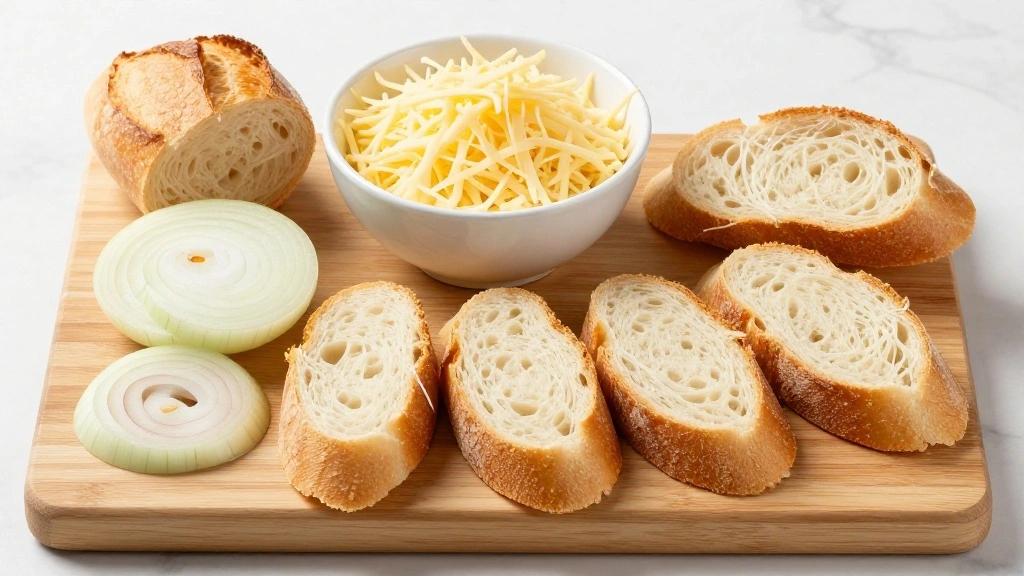
Slice the onions thinly and evenly.
Grate the Gruyère cheese and set aside.
Slice the baguette into 1-inch thick rounds.
Gather all ingredients to ensure a smooth cooking process.
Recommended Products

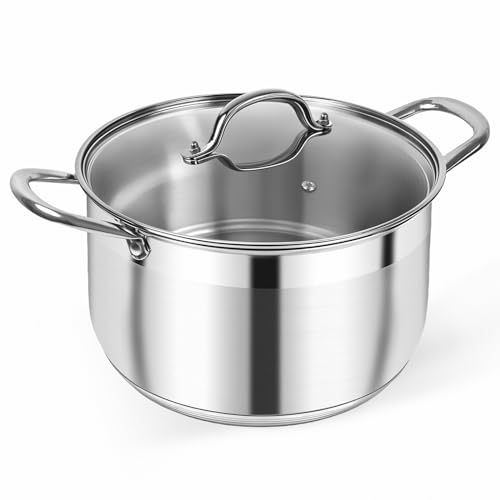
IDEAL FOR FAMILY MEALS - Perfectly sized for families of 3–5 people, this 5.5QT Dutch oven handles everything from hearty soups and stews to one-pot dinners, pasta dishes, and Sunday pot roasts. Spacious enough for a whole chicken yet practical for everyday cooking, it delivers the ideal balance between daily family meals and weekend entertaining. Also well-sized for artisan bread bakers who want one pot for both family dinners and sourdough baking.

IDEAL FOR FAMILY MEALS - Perfectly sized for families of 3–5 people, this 5.5QT Dutch oven handles everything from hearty soups and stews to one-pot dinners, pasta dishes, and Sunday pot roasts. Spacious enough for a whole chicken yet practical for everyday cooking, it delivers the ideal balance between daily family meals and weekend entertaining. Also well-sized for artisan bread bakers who want one pot for both family dinners and sourdough baking.

Crock Pot Artisan Round Enameled Cast Iron Dutch Oven, 7-Quart, Slate Grey w/Lid
Step 2: Caramelize the Onions
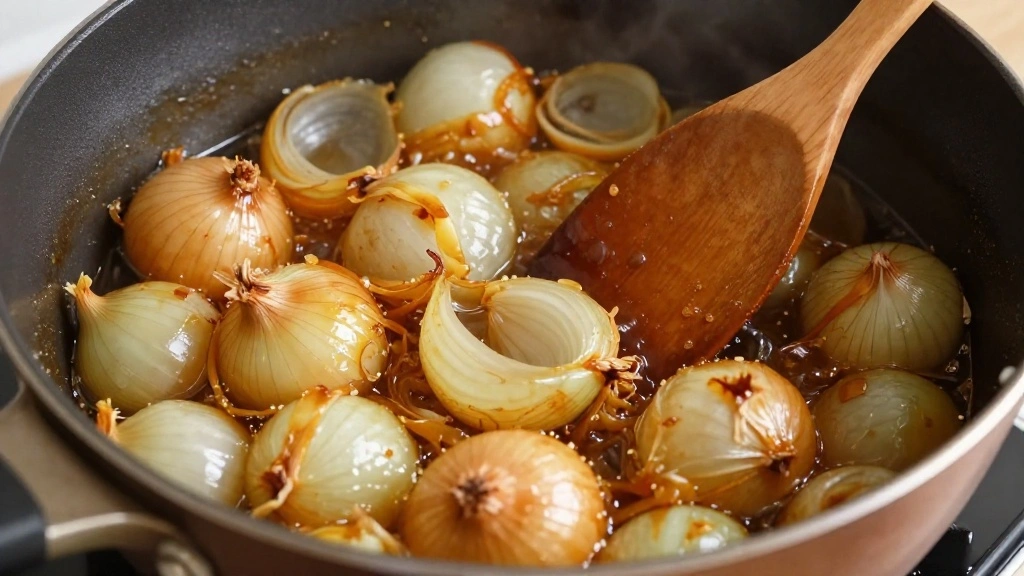
Heat olive oil and butter in a heavy-bottomed pot over medium heat.
Add the sliced onions and a pinch of salt.
Cook the onions slowly, stirring frequently, until they are deeply browned and caramelized, about 25 minutes.
Adjust heat as necessary to avoid burning.
Recommended Products

Multi-Functional Soup Bowl: With a capacity of 20 oz, our soup bowls are perfect for different types of food, ranging from french onion soup, beef stew, bouillon, seafood bisque, chowder, lobster bisque, shepherd pie, cheese soup and more. Get creative and explore various culinary possibilities with our versatile bowl set!

Multi-Purpose 20oz Soup Bowls Set of 4: Designed for everyday dining and entertaining, these 20 oz ceramic soup bowls are perfect for French onion soup, ramen, pasta, cereal, chili, beef stew, noodles, rice, salad, and more. The deep bowl design helps reduce spills while providing the ideal size for breakfast, lunch, dinner, and family meals.

【Two Holes Design】The substantial weight of ceramic makes solid handles susceptible to cracking during kiln firing. Introducing two holes not only prevents thermal stress fractures at high temperatures, but also allows water infiltrating the handle to drain efficiently during cleaning processes.


Step 3: Deglaze with Wine
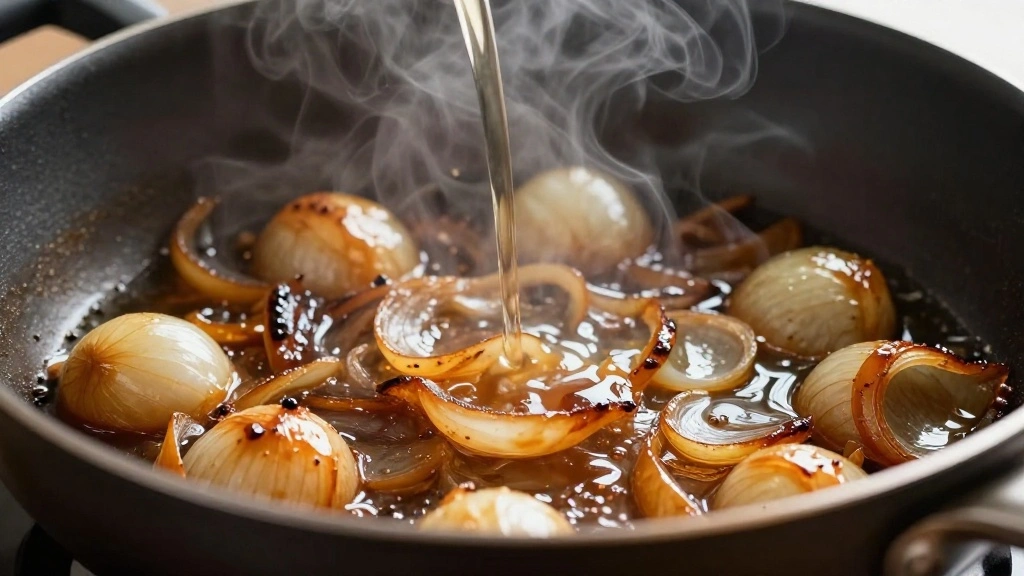
Once onions are caramelized, increase heat to medium-high.
Pour in the white wine and stir to deglaze the pan.
Scrape the bottom of the pot to lift any browned bits.
Allow the wine to reduce by half, enhancing the flavor.
Recommended Products

Three Blades: Coarse shredding blade, fine shredding blade with different diameter ; One slicing blades; A pound of cheese is only 30 seconds, avoid contact between fingers and blades

3-IN-1 MULTIFUNCTIONAL CHEESE SHREDDER VEGETABLE SLICER: Three interchangeable high-quality stainless steel blades for slicing, shredding, and fine grinding. Perfect for cheese, vegetables, nuts, chocolate, carrots, potatoes — this kitchen vegetable slicer and food processor can replace multiple kitchen gadgets

PREP DINNER IN MINUTES, NOT HOURS — Our oversized drum and wide output chute shred cheese, potatoes, and zucchini up to 12x faster than box graters. Load larger pieces without pre-cutting, and watch ingredients fall through smoothly with zero clogging. Turn taco night, pasta prep, or holiday cooking from a chore into a 5-minute task

Step 4: Add Beef Stock
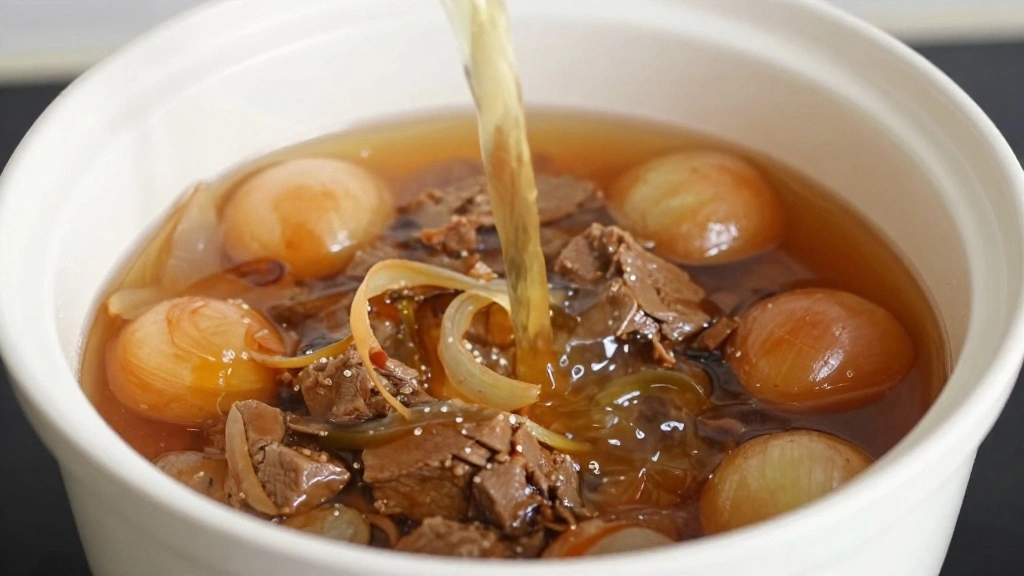
Pour the beef stock into the pot with the onions.
Stir to combine and bring the mixture to a simmer.
Reduce heat to low and let it cook for another 20 minutes.
Taste and adjust seasoning with salt and pepper.
Recommended Products

Great for use as a beef broth bursting with savory flavors

Great for a creating our Classic Onion Dip that can be used as a French onion soup or in many family favorite recipes

Better Than Bouillon Premium Sauteed Onion Base is made from real sauteed onions & is Certified Vegan


Step 5: Toast Baguette Slices
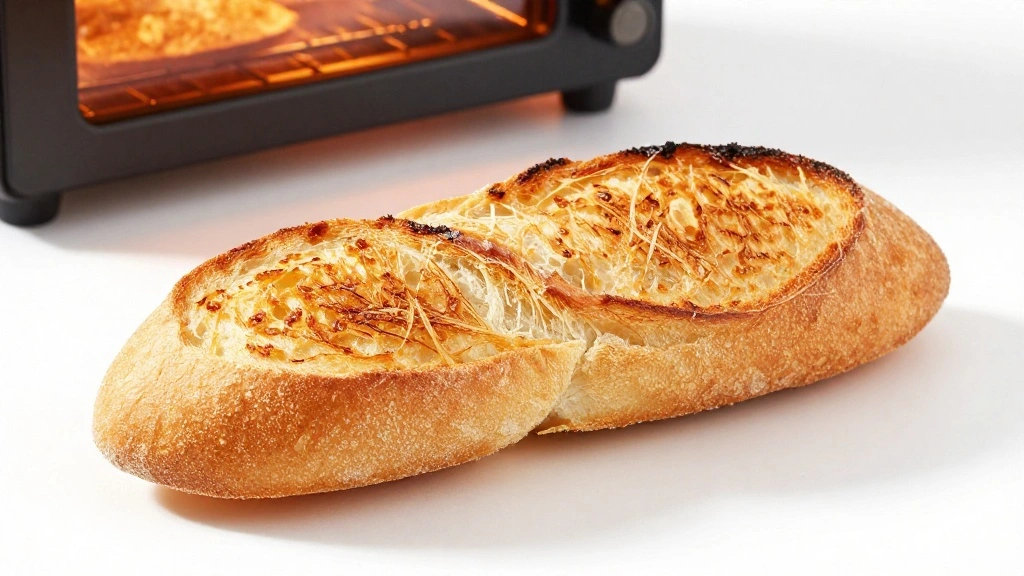
Preheat the broiler to high.
Arrange baguette slices on a baking sheet.
Toast under the broiler until golden brown, about 1-2 minutes per side.
Watch closely to prevent burning.


Step 6: Assemble the Soup
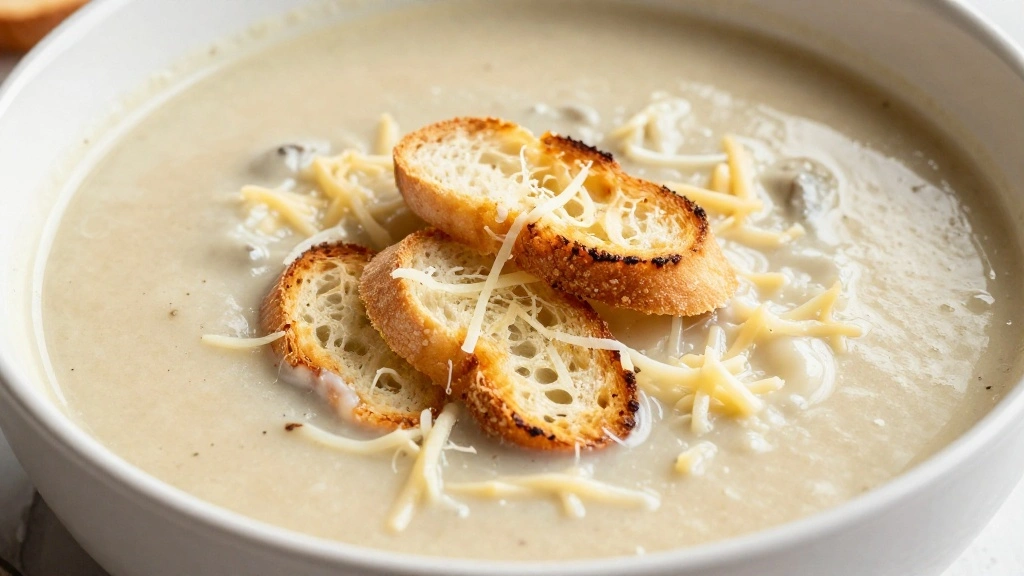
Ladle the hot soup into broiler-safe bowls.
Top each bowl with a toasted baguette slice.
Sprinkle grated Gruyère cheese generously over the top.
Ensure cheese covers the bread to prevent burning.


Step 7: Broil the Cheese
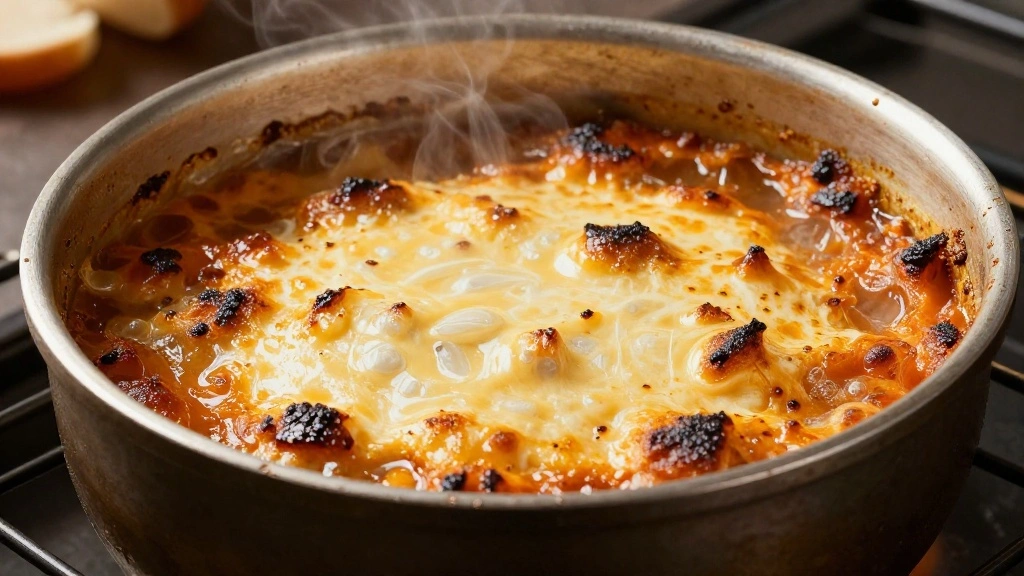
Place the bowls on a baking sheet.
Broil until cheese is bubbly and golden brown, about 3-5 minutes.
Rotate bowls as needed for even browning.
Carefully remove from the broiler, using oven mitts.


Step 8: Serve and Enjoy
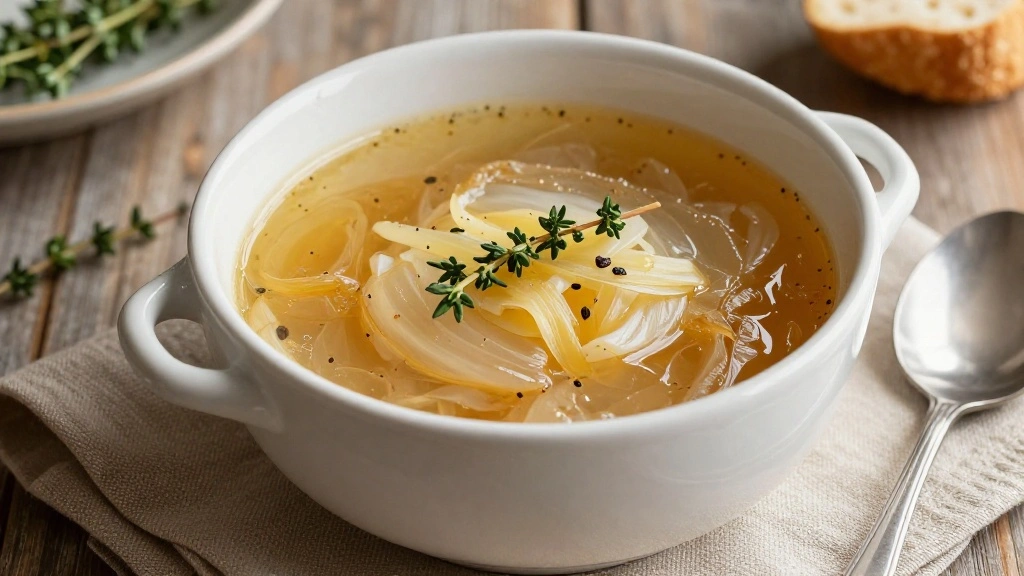
Carefully transfer hot bowls to serving plates.
Garnish with fresh thyme or cracked black pepper if desired.
Serve immediately while piping hot.
Enjoy the rich, comforting flavors of your homemade French Onion Soup.


Critical Timing and Temperature Guide
Caramelizing Onions: Cook for 25 minutes over medium-low heat. Onions should be golden brown, not burnt. Avoid using high heat as it can lead to uneven caramelization.
Broiling Cheese: Broil for 3-5 minutes at high heat. Cheese should be bubbly and golden. Keep an eye on it to prevent burning.
Simmering Soup: Simmer for 20 minutes on low heat. Soup should be slightly thickened and flavors melded. Avoid boiling to maintain clarity.


Pro Tips for French Onion Soup
• Ingredient Selection: Choose sweet yellow onions and high-quality beef stock for the best flavor.
• Preparation Secret: Use a combination of butter and olive oil to prevent the onions from burning while caramelizing.
• Temperature Management: Ensure the soup is simmering gently rather than boiling to avoid cloudiness.
• Texture Enhancement: Toast the baguette slices to a crisp texture to prevent them from becoming soggy in the soup.
• Flavor Layering: Deglazing the pot with wine adds a depth of flavor that complements the sweetness of the onions.
• Make-Ahead Strategies: Prepare the soup base a day ahead and reheat before serving. The flavors will deepen overnight.
• Restaurant-Quality Finishing Touches: Garnish with fresh thyme or a sprinkle of Parmesan for an extra touch of sophistication.
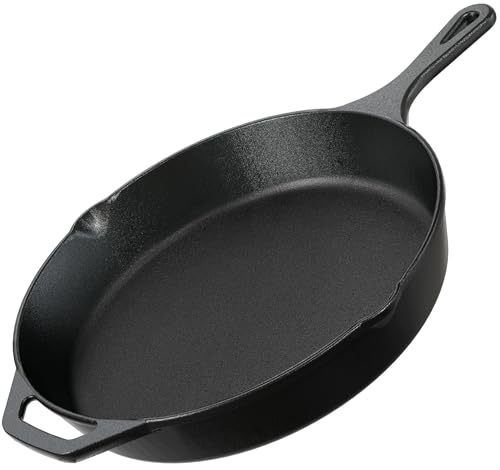
• Equipment Optimization: If using a Dutch oven, make sure it is well seasoned to prevent sticking.


Troubleshooting Common Issues
• Onions Burned: Burned onions result from too high heat or not stirring enough. Lower the heat and stir frequently to avoid this.
• Soup Too Watery: This can occur if the soup hasn't simmered long enough. Continue simmering until it reduces slightly.
• Cheese Doesn't Melt: Use a broiler-safe cheese like Gruyère and ensure it's evenly spread over the bread. Broil until bubbly.
• Bland Flavor: Ensure that onions are well caramelized and stock is properly seasoned. Adjust with salt and pepper as needed.
• Bread Soggy: Toast the bread until crisp and ensure the cheese covers the edges to protect from soaking in soup.


Variations and Regional Differences
• Parisian Style: Uses a mix of beef and chicken stock for a lighter flavor, with a splash of brandy added.
• Provençal Style: Includes herbs like rosemary and thyme, and replaces Gruyère with Comté cheese.
• Rustic Country Style: Incorporates vegetables like leeks and carrots, adding complexity and texture.
• Vegetarian Variation: Uses vegetable stock instead of beef stock and adds mushrooms for a rich umami flavor.


Food Science Behind the Recipe
• Maillard Reaction: This chemical reaction between amino acids and reducing sugars gives caramelized onions their deep flavor and brown color.
• Emulsification: The combination of fats from butter and olive oil helps to create a smooth, rich texture in the soup.
• Flavor Extraction: Slow simmering helps extract flavors from the onions and stock, concentrating them into a rich broth.


Frequently Asked Questions
What's the most common mistake people make when preparing French Onion Soup? The most common mistake is not caramelizing the onions enough, which results in a lack of depth and sweetness in the soup. Take your time to achieve a deep golden brown color.
Can I use a different type of cheese? Yes, while Gruyère is traditional, you can use Swiss cheese or Comté for a similar melt and flavor profile.
Is it possible to make this soup vegetarian? Absolutely, substitute the beef stock with vegetable stock and add mushrooms for depth.
How can I store leftovers? Store in an airtight container in the refrigerator for up to 3 days. Reheat gently to preserve flavor and texture.
Can I freeze French Onion Soup? Yes, freeze the soup base without the bread and cheese. Thaw and reheat before adding the toppings.
What kind of wine is best for this recipe? A dry white wine like Sauvignon Blanc or Chardonnay works well to deglaze the pan and add acidity.
How do I prevent my bread from becoming soggy? Toast the bread until it is very crisp and ensure the cheese covers the entire surface to shield it from the soup.
Serving and Presentation Guide
• Traditional Presentation: Serve in broiler-safe bowls with a generous topping of melted cheese and a side of crusty bread.
• Modern Twist: Serve in a shallow bowl with a drizzle of truffle oil and a sprig of fresh thyme for a gourmet touch.
• Casual Gathering: Serve in mugs with cheese-topped croutons for easy handling at informal events.
• Rustic Style: Serve with a wooden board of assorted cheeses and charcuterie for a complete experience.



Conclusion
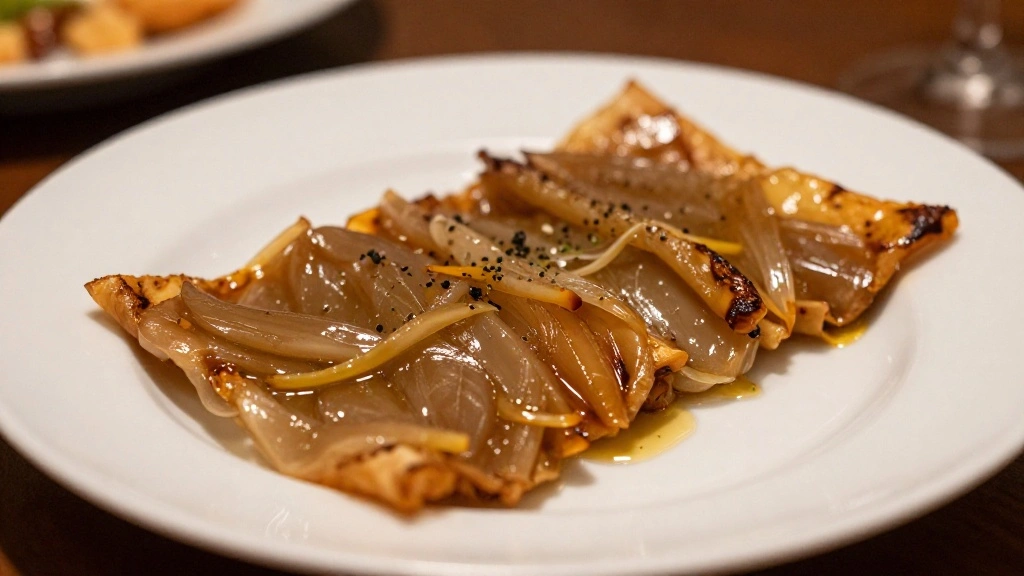
French Onion Soup is a beloved classic that brings warmth and comfort to any table.
With its rich flavors and inviting aroma, it's sure to become a favorite in your culinary repertoire.
Give this recipe a try and experience the joy of creating a dish steeped in tradition and taste.